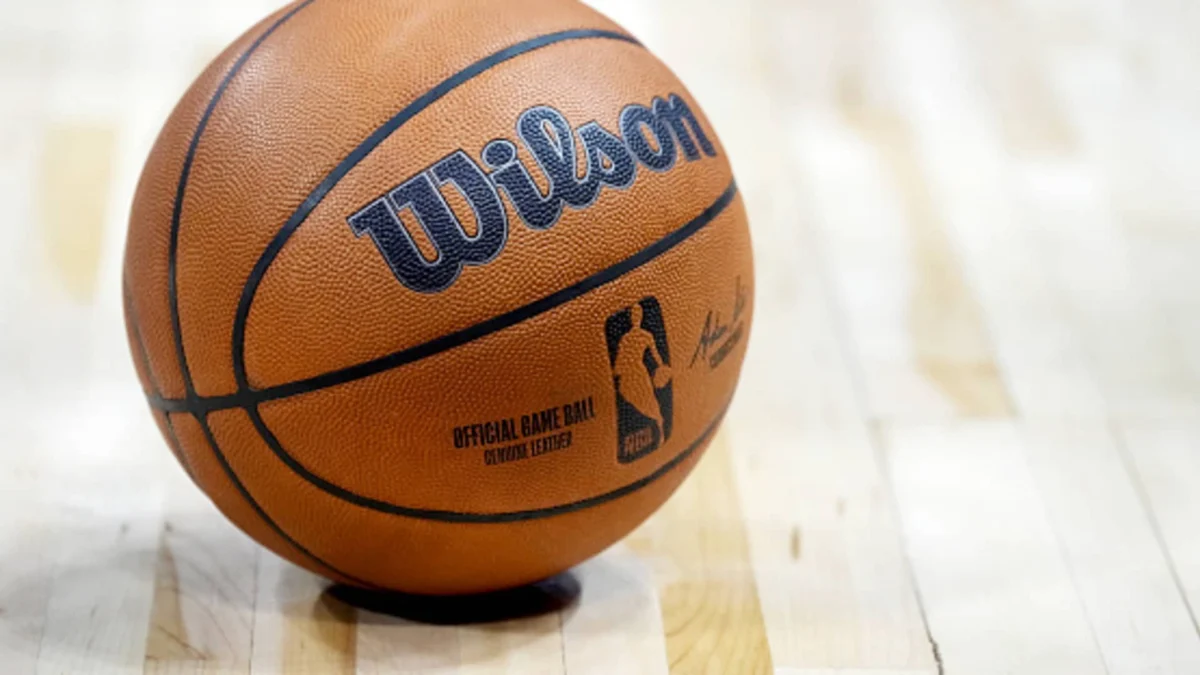
The NBA may introduce a new “smart ball” in games as soon as next season, according to commissioner Adam Silver. This innovation could significantly alter how officiating decisions are made during gameplay.
The league is evaluating advanced technology embedded within basketballs that would provide real-time data to officials, helping them make faster and more accurate calls on the court. While no official timeline has been set, the possibility of deployment as early as next year signals serious consideration by the NBA.
KEY FACTS
- NBA commissioner Adam Silver discussed the potential introduction of smart ball technology.
- The league could begin using a new smart ball in games as soon as next year.
- The technology aims to assist officials in making more accurate calls.
- The change could transform how officiating decisions are made during games.
What Is a Smart Ball?
A smart ball refers to a basketball equipped with internal sensors or tracking mechanisms that capture motion, spin, and positional data throughout play. These insights can be transmitted instantly to officials or broadcast systems, offering a new layer of precision in reviewing critical moments such as out-of-bounds calls or shot-clock violations. While still emerging in professional sports, similar technologies have already been tested in soccer and football, where they helped clarify close calls. In the NBA context, a smart ball would likely integrate with existing camera-based tracking systems like Hawk-Eye to enhance accuracy without disrupting the flow of the game.
What Happens Next?
Should the NBA move forward with adopting the smart ball, it would undergo rigorous testing during training camps or summer leagues before being used in regular-season games. Officials would receive specialized training to interpret the data generated by the device, ensuring that the new system supports rather than complicates real-time decision-making. Player feedback would also play a key role, as concerns around ball texture, bounce consistency, and durability must be addressed before any official rollout. Additionally, collective bargaining agreements and union approvals may influence when or whether the technology goes live, since changes affecting gameplay often require stakeholder consensus. The earliest estimated deployment window remains next year, contingent on these preparatory steps.
Who Is Affected by This Change?
If introduced, the smart ball would impact multiple groups across the NBA ecosystem. Referees stand to benefit most directly, gaining access to immediate data that can confirm or correct judgment calls during high-pressure moments. Broadcasters and fans could see enhanced viewing experiences through visual overlays showing ball trajectory or spin rates during replays. Meanwhile, players may need to adjust to subtle differences in weight distribution or surface feel compared to traditional basketballs, though manufacturers are expected to maintain strict compliance with league standards. Sponsors and technology partners involved in developing the smart ball could also gain visibility, especially if branding becomes integrated into the device’s interface or accompanying broadcast graphics.
What We Know — and What We Don’t
- Verified by the source:
- Commissioner Adam Silver commented on potential adoption of smart ball technology.
- The NBA might implement the ball as early as next year.
- The purpose includes aiding officiating accuracy during games.
- Still unconfirmed:
- Exact timeline or testing procedures for smart ball implementation.
- Specific technical capabilities or performance details of the smart ball.
- Majority approval process involving players’ association or referees’ committee.
Why It Matters
Introducing smart ball technology aligns with broader trends in professional sports toward automation and data-driven officiating. As leagues face increasing scrutiny over human error, tools like these offer transparency while aiming to reduce controversy around pivotal calls. For the NBA, investing in cutting-edge infrastructure could reinforce its reputation as an innovator among major U.S. sports organizations, potentially influencing youth programs and international competitions worldwide. However, balancing tradition with progress remains delicate—especially if the technology alters fundamental aspects of how basketball looks and feels to longtime viewers.
What To Watch
Updates from the NBA regarding pilot programs or partnership announcements will indicate whether the smart ball moves closer to official use. Stay tuned for reactions from players, coaches, and analysts during preseason events.
The NBA is considering deploying smart ball technology in games possibly by next season, per commissioner Adam Silver.