LEDE
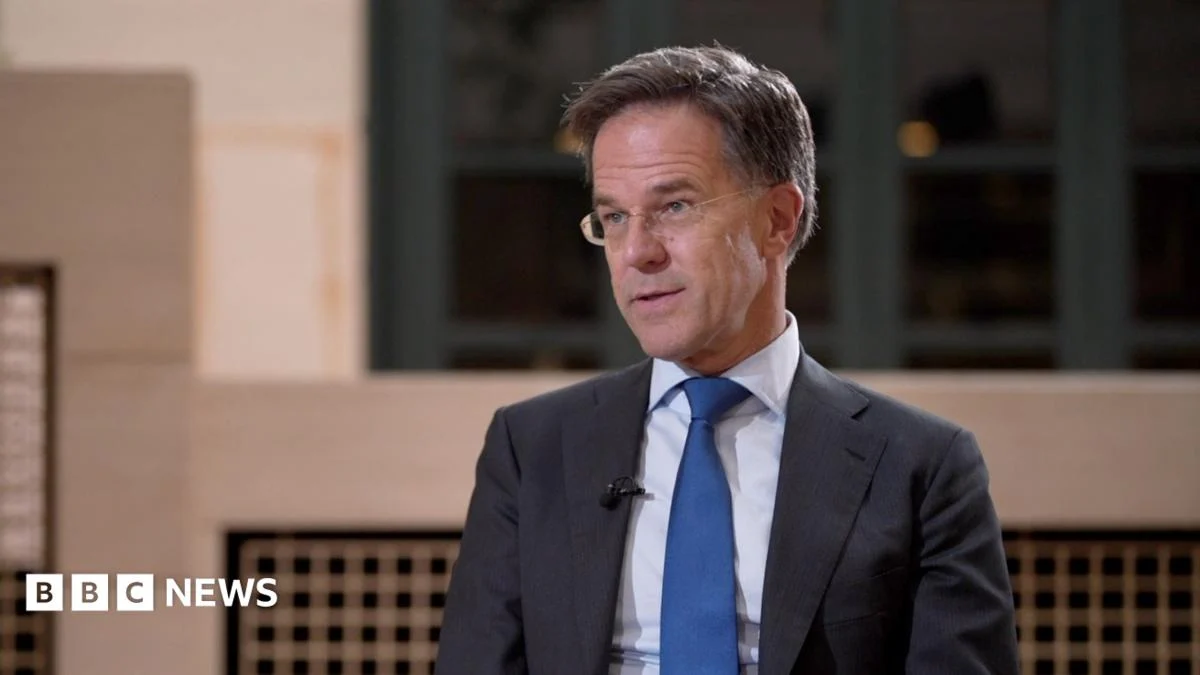
NATO Secretary General Mark Rutte has cautioned against being naive about possible actions by Russian President Vladimir Putin, while expressing confidence that the UK government recognises the need for a credible path to increase defence spending.
Rutte’s remarks come amid ongoing discussions between NATO allies about bolstering military preparedness in response to evolving security challenges. His comments underscore the alliance’s emphasis on maintaining strong defence capabilities while remaining vigilant about geopolitical developments.
KEY FACTS
- NATO chief Mark Rutte warned against naivety about what Putin could do.
- He expressed confidence in the UK government’s understanding of defence spending needs.
- Rutte called for a credible path to increase defence spending.
THE STORY
What happens next?
Following Rutte’s statements, attention is likely to turn to whether the UK government will outline specific measures to boost defence investment. NATO members have increasingly signalled the importance of meeting defence spending targets, particularly in light of ongoing tensions in Eastern Europe.
Rutte’s reference to avoiding naivety suggests concern that some allies may underestimate potential Russian actions. This framing aligns with broader NATO messaging that emphasises the need for readiness across all domains, including cyber, land, and maritime operations.
The NATO chief’s confidence in the UK’s position may indicate that London is expected to play a leading role in upcoming defence initiatives. However, no further details were provided about timelines or funding mechanisms, leaving open questions about how quickly new commitments might materialise.
Who is affected?
The statements from NATO’s leader primarily affect member states, particularly those involved in defence planning and budget allocations. Countries contributing to collective security will need to evaluate their own spending trajectories in alignment with alliance expectations.
For the UK specifically, Rutte’s comments reinforce diplomatic pressure to demonstrate tangible progress on defence investment. Domestically, such international engagement could influence parliamentary debates and public discourse around military expenditure priorities.
Broader European populations may also feel indirect effects through shifts in policy focus toward defence readiness. Should Member States respond with expanded budgets or restructured forces, this could impact resource distribution and strategic partnerships beyond immediate military considerations.
WHAT WE KNOW — AND WHAT WE DON’T
Verified by the source:
- Mark Rutte is NATO Secretary General.
- He cautioned against naivety about Putin’s potential actions.
- He expressed confidence in the UK government’s stance on defence spending.
- He advocated for a credible path to increase defence spending.
Still unconfirmed:
- No specifics were given about when or how defence spending increases will occur.
- The exact context of Rutte’s remarks remains unclear, including whether they were made publicly or during closed meetings.
- No response from the UK government has been reported in connection with these comments.
WHY IT MATTERS
This story matters because defence spending decisions by NATO members can significantly affect regional security dynamics and alliance cohesion. As geopolitical tensions persist, coordinated investment in military capabilities becomes crucial for deterrence and collective defence strategies among Western nations.
WHAT TO WATCH
Members of [politics] and observers of [war-geopolitics] should monitor whether the UK government responds directly to Rutte’s calls for increased defence spending in upcoming policy announcements or parliamentary sessions. Additional clarity may emerge from future NATO meetings or statements from national defence officials.