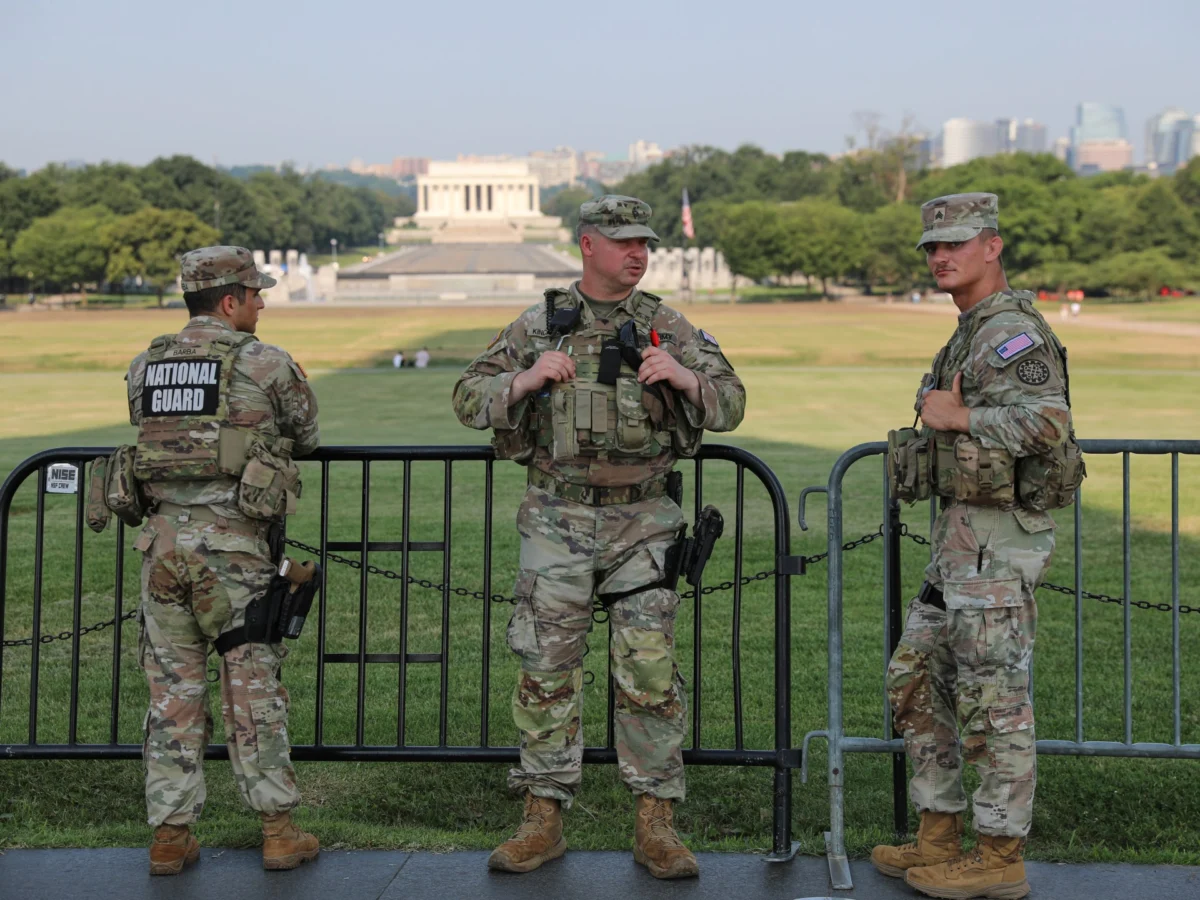
The deployment of the National Guard to Washington, DC, will cost U.S. taxpayers approximately $1.4 billion, according to Al Jazeera. The figure highlights the significant financial burden of a move that has faced widespread criticism.
The deployment, which involves mobilizing National Guard units, underscores the escalating costs tied to domestic security operations. While exact details on the duration or scope of the deployment remain unclear, the reported expense has intensified debates over federal spending priorities.
KEY FACTS
- The National Guard deployment to Washington, DC, will cost roughly $1.4 billion.
- The expense has been widely criticized for its taxpayer burden.
- The source does not specify the duration or exact purpose of the deployment.
Why Was the National Guard Deployed?
While the source does not provide reasons for the deployment, past mobilizations have typically involved civil unrest, large-scale protests, or heightened security for major events. The National Guard, a reserve military force, is often activated by state or federal authorities to assist in emergencies.
What Are the Financial Implications?
The reported $1.4 billion expense covers personnel, logistics, and equipment. Deployments of this scale strain federal and state budgets, with costs potentially escalating further if extended. Critics argue the funds could be redirected to infrastructure, healthcare, or other public needs.
WHAT WE KNOW — AND WHAT WE DON’T
Verified by the source:
- The estimated cost is $1.4 billion.
- The deployment has faced criticism.
Still unconfirmed:
- The exact timeframe of the deployment.
- Specific reasons for the mobilization.
- Whether the cost includes federal or state funds.
WHY IT MATTERS
High-cost deployments raise questions about fiscal responsibility, particularly when taxpayer dollars fund domestic security measures. The reported $1.4 billion expense could fuel further scrutiny over government spending choices.
WHAT TO WATCH
Future updates may clarify the deployment’s duration, funding sources, and public response. Official statements could either justify or amplify criticism of the costly mobilization.