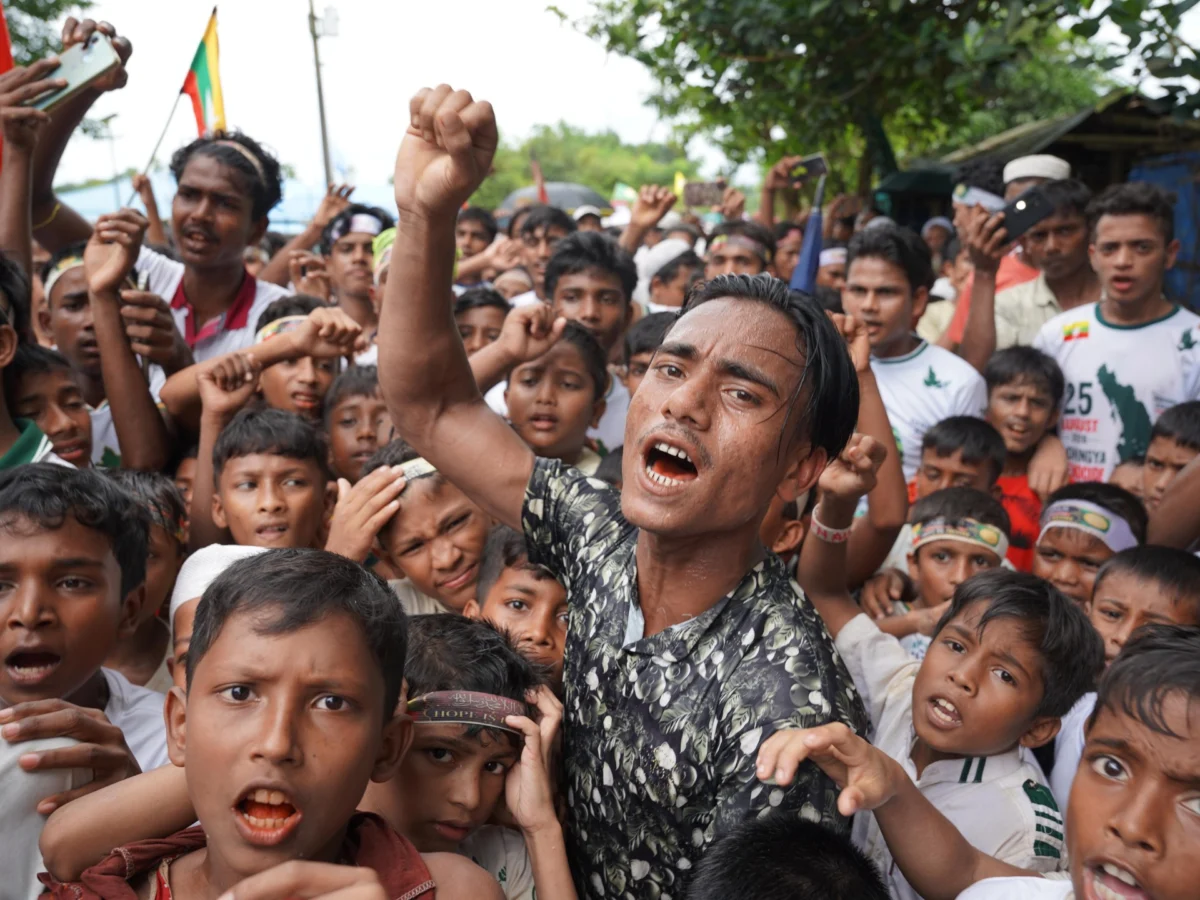
The human rights situation in Myanmar has deteriorated to its worst level in recent years, according to a United Nations report cited by Al Jazeera. The report highlights ongoing abuses against the Rohingya minority and increasing exploitation of the country’s natural resources amid the ongoing crisis.
Myanmar has faced international condemnation for its treatment of the Rohingya Muslim minority since violent crackdowns began in 2017, forcing hundreds of thousands to flee to neighboring Bangladesh. The new UN report suggests conditions have worsened since then, with reports of continued violence and oppression.
KEY FACTS
- Myanmar’s human rights situation has “plummets to new low” according to the UN
- Abuses against the Rohingya population continue
- Resource exploitation is happening without checks
Who is affected?
The Rohingya Muslim minority continues to bear the brunt of Myanmar’s human rights violations. Considered illegal immigrants by the government despite many having lived in Myanmar for generations, the Rohingya face systematic discrimination and violence. The UN report suggests their situation has deteriorated further, though specific new incidents are not detailed in the source.
What’s driving the crisis?
The report points to two main factors: ongoing persecution of the Rohingya and unchecked exploitation of Myanmar’s natural resources. The military government that seized power in 2021 has continued controversial policies toward minority groups while allegedly profiting from resource extraction. This combination of human rights abuses and economic exploitation appears to be exacerbating the country’s crisis.
WHAT WE KNOW — AND WHAT WE DON’T
Verified by the source:
- UN reports Myanmar’s human rights situation has reached a new low
- Abuses against Rohingya population are continuing
- Resource exploitation is occurring without proper oversight
Still unconfirmed:
- Specific new incidents of abuse against Rohingya
- Which natural resources are being exploited and by whom
- Any response from Myanmar’s military government
Why it matters: Myanmar’s ongoing crisis represents one of the world’s most pressing human rights emergencies. The continued persecution of the Rohingya highlights the challenges of protecting vulnerable populations in countries with repressive regimes, while unchecked resource exploitation raises concerns about environmental degradation and economic justice.
What to watch: International observers will be looking for evidence that Myanmar’s government responds to the UN report, though the military regime has historically dismissed such criticism. Any changes in policy toward the Rohingya or resource management would indicate whether this report has impact.