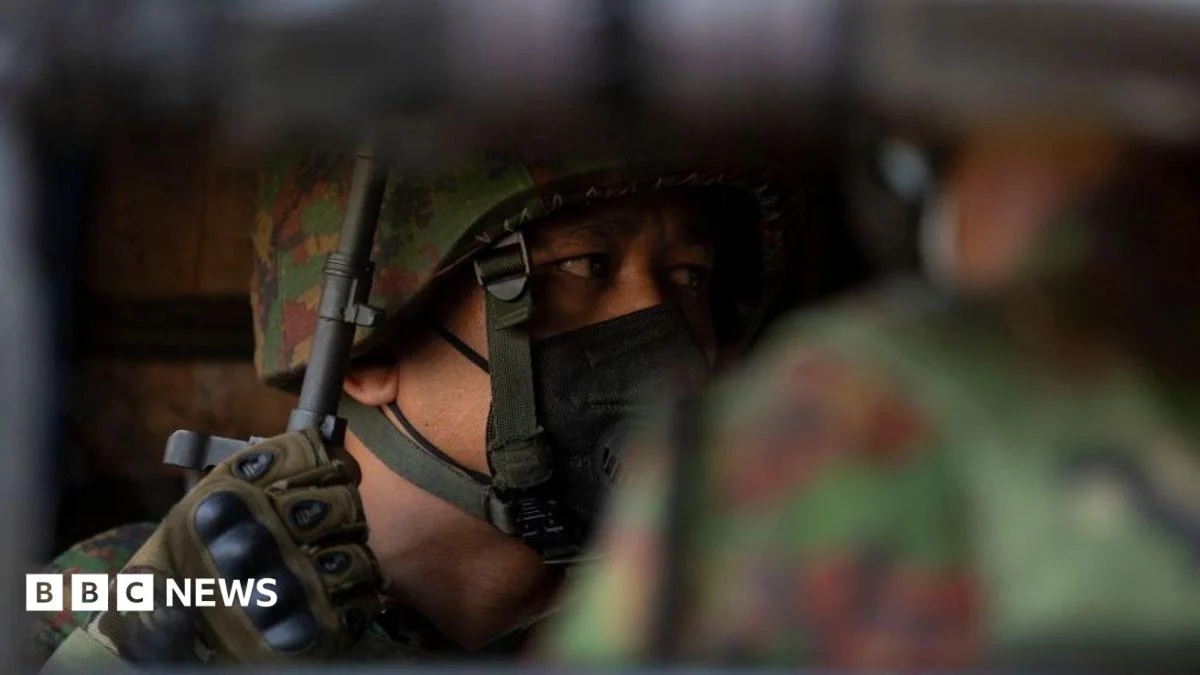
Young men in Myanmar live in fear of being snatched off the streets and sold into forced recruitment by the military junta, according to BBC News. This desperation reflects a regime increasingly reliant on conscription to sustain its war against ethnic militias and civilian resistance groups.
The junta’s tactics have intensified amid a prolonged conflict, with reports suggesting that coercive measures are being used to replenish dwindling troop numbers. These fears underscore the deepening instability within the country following the 2021 coup and the subsequent breakdown of centralized authority in many regions.
Key Facts
- Young men fear being abducted and sold to Myanmar’s military.
- The military is engaged in a war of attrition against ethnic militias and civilian resistance.
- The junta is described as desperate, resorting to forced recruitment tactics.
- Abductions are reportedly occurring on the streets, targeting young males.
Who Is Affected by Forced Recruitment?
The primary group affected by these reports is young men, particularly those of conscription age. Families and communities are living in constant anxiety, unsure when or if their loved ones might be taken. This fear has created a climate of silence and avoidance, with youths altering daily routines to evade potential abduction.
The broader population also bears the psychological toll of such an environment. Trust in public institutions has eroded further, and social cohesion is strained as communities grapple with the reality of state-sanctioned coercion. The situation reflects a humanitarian crisis layered atop an ongoing political and military conflict.
What Happens Next in Myanmar’s Conflict?
The trajectory of Myanmar’s conflict remains uncertain, with the junta facing mounting pressure from both armed resistance and international condemnation. Forced recruitment may escalate as government forces lose ground, potentially leading to increased human rights violations and refugee flows into neighboring countries.
Ethnic militias and civilian defense groups continue to organize, often receiving support from diaspora communities and shadow governments. Meanwhile, regional powers like Thailand and China have called for diplomatic solutions, though concrete action remains limited. The international community watches closely, weighing sanctions against humanitarian aid as the crisis deepens.
What We Know — and What We Don’t
Verified by the source:
- Young men are reportedly being abducted from the streets.
- The military is using these tactics amid a war of attrition.
- The junta is portrayed as desperate in its military efforts.
Still unconfirmed:
- The exact number of abductions or conscripts involved.
- Whether specific units or officials are directing these operations.
- The full scope of resistance group responses or international intervention plans.
Why It Matters
Reports of forced recruitment signal a dangerous escalation in Myanmar’s civil conflict, highlighting how desperate regimes may resort to coercive tactics to maintain power. This pattern mirrors historical precedents where state failure leads to widespread human suffering and regional instability. For global observers, it raises urgent questions about accountability and the role of international law in preventing atrocity.
What To Watch
Monitoring developments in recruitment patterns and resistance activity will indicate whether the situation deteriorates or finds a path toward negotiation.