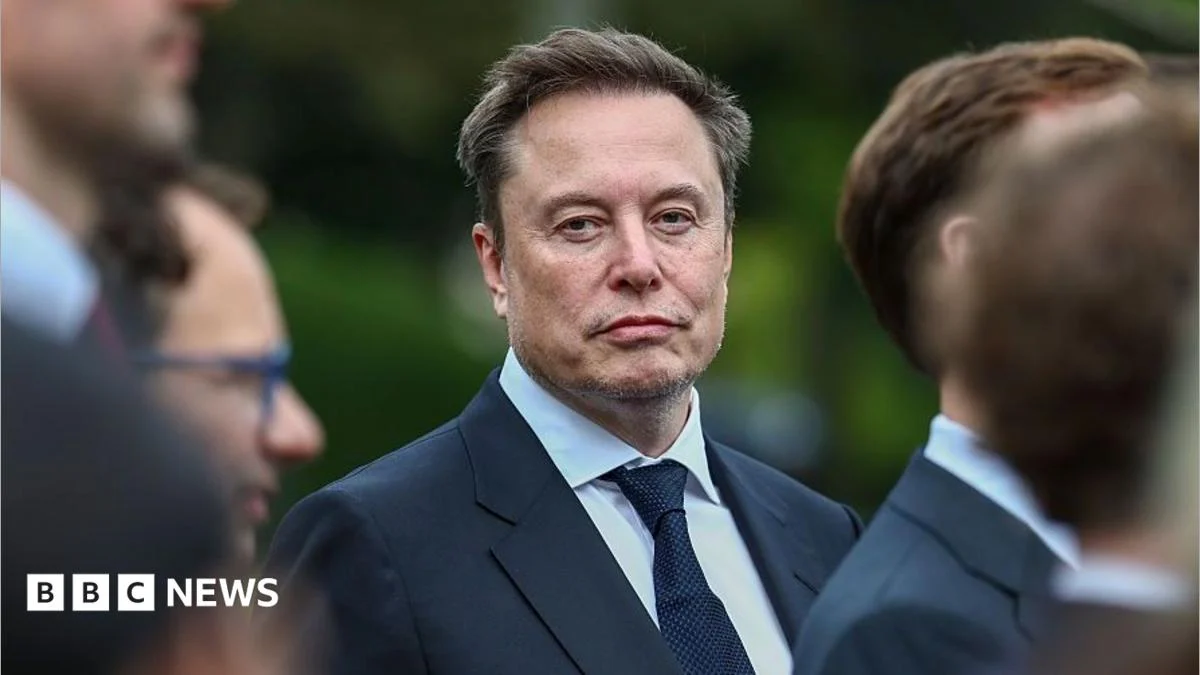
Lede
Elon Musk, who leads both Tesla and SpaceX, has suggested that combining the two companies could yield substantial benefits, according to a recent report by BBC News. The proposed Tesla SpaceX merger would, if carried out, represent the largest corporate merger ever attempted, per statements attributed to Musk.
Musk reportedly said there is "a lot to be gained" from such a move, though no formal proposal or timeline was detailed in the summary provided by BBC News.
Key Facts
- Elon Musk serves as CEO of both Tesla and SpaceX.
- He says there is "a lot to be gained" from a merger between the two companies.
- The merger, if completed, would be the biggest in history.
The Story
What happens next?
No official steps or regulatory filings have been reported at this stage. The idea appears to stem from public commentary rather than a board-level decision or shareholder motion. Any realignment of corporate structures would require approval from boards, investors, and possibly regulators, depending on jurisdiction and scale.
Mergers of this magnitude typically take months or years to execute, involving due diligence, valuation assessments, antitrust reviews, and financing arrangements. Given the size and global footprint of both firms, the Tesla SpaceX merger would face intense scrutiny from financial analysts and government agencies alike.
How did we get here?
Musk has long advocated for integrated innovation across his enterprises, often citing synergies in engineering, manufacturing, and technology development. His dual leadership role gives him unique visibility into operations at both firms, which may inform his view that consolidation offers strategic value.
In past interviews and social media posts, Musk has floated unconventional corporate ideas, some of which have sparked debate among stakeholders. This latest suggestion aligns with his history of proposing bold structural changes, though execution remains uncertain without concrete plans or stakeholder support.
Who is affected?
Shareholders in both Tesla and SpaceX would be directly impacted by any merger attempt. Investors often react cautiously to surprise proposals involving major shifts in corporate governance or asset allocation. Additionally, employees, suppliers, and customers of either company may experience disruptions during transition periods.
Major institutional investors, including mutual funds and pension trusts, hold significant stakes in publicly traded Tesla. Their responses could shape whether such a merger gains traction. Meanwhile, SpaceX operates primarily under private ownership, meaning fewer immediate disclosure requirements but added complexity in valuation and control dynamics.
What We Know — and What We Don’t
Verified by the source:
- Musk is CEO of both Tesla and SpaceX.
- He claims there is "a lot to be gained" from a merger.
- He believes the merger would be the biggest in history.
Still unconfirmed:
- Whether any formal merger discussions are underway.
- Estimated financial terms or valuation figures.
- Regulatory or shareholder reaction timelines.
- Specific areas where synergies are expected.
Why It Matters
A Tesla SpaceX merger, while speculative, highlights growing interest in cross-sector consolidation amid evolving tech markets. Such movements influence investor sentiment, market volatility, and innovation trends—topics closely tracked within [economy-markets](/category/economy-markets) and broader business coverage.
What To Watch
Stakeholders await further clarity on whether Musk will pursue official channels to explore this concept. For now, the idea remains unactioned beyond reported commentary.