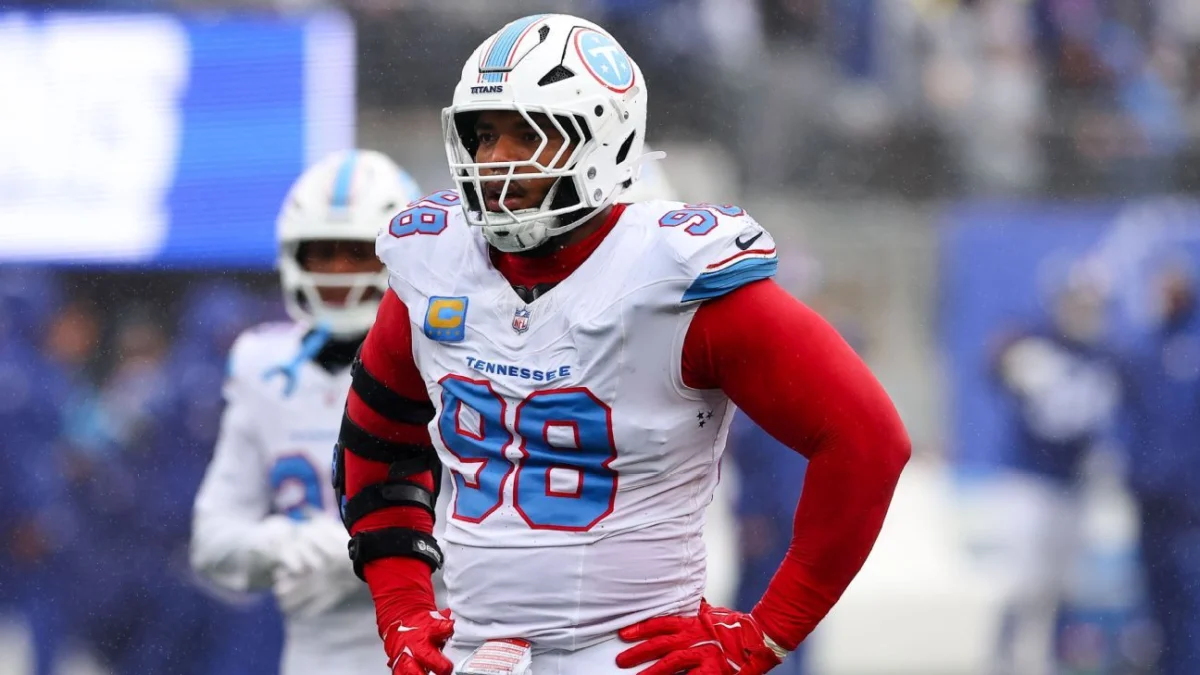
The Chicago Bears’ aggressive trade for Jeffery Simmons marks the 10th time in the past decade that a team has surrendered multiple first-round picks for a star player. Yet data shows those deals rarely deliver the expected payoff, casting doubt on whether such aggressive moves actually work.
The pattern is clear: teams keep reaching for immediate impact, but results lag. With the NFL season underway, the scrutiny on these blockbuster trades grows louder each year.
Key Facts
- Bears traded multiple first-round picks for Jeffery Simmons.
- This marks the 10th such trade in the past decade.
- Hit rate for these trades is not great.
- Source: www.espn.com – TOP
How Did We Get Here?
Over the past decade, NFL teams have repeatedly chosen to accelerate their rebuilds or secure elite talent by dealing away future draft capital. The logic seems simple: acquire a proven star now rather than hope late-round picks develop into contributors. However, the outcomes tell a different story.
Barnwell’s analysis highlights that while these trades grab headlines, their long-term benefits remain questionable. Teams often sacrifice flexibility and depth for short-term gains, which may not translate into sustained success. The Bears’ move falls squarely into this pattern, raising concerns about opportunity cost and roster balance.
What Happens Next?
As the season progresses, observers will watch closely how Simmons integrates into Chicago’s defensive scheme. If he performs at an All-Pro level and elevates the unit around him, supporters of high-stakes trades may find justification. Otherwise, critics will point to yet another example of overpaying for talent.
Fans and analysts alike should also consider broader implications. High-profile trades influence market dynamics—teams with cap space and picks become more aggressive, driving up prices across the board. Whether this cycle serves franchises well beyond individual seasons remains uncertain.
What We Know — and What We Don’t
Verified by the source:
- The Bears traded two first-round picks for Jeffery Simmons.
- The trade is part of a decade-long trend involving 10 similar transactions.
- Analyst Barnwell notes the hit rate for these trades isn’t strong.
Still unconfirmed:
- Exact draft positions involved in the Bears-Titans deal.
- Performance metrics or timeline for Simmons post-trade.
- Names of other players or teams included in comparable past deals.
Why It Matters
These trades shape franchise trajectories, affecting not just individual seasons but long-term organizational health. For fans, they represent hope—or disappointment—depending on execution and outcome. In an era where parity dominates, the margin between playoff contention and rebuilding hinges heavily on whether splashy moves pan off.
What To Watch
Fans should monitor Simmons’ role within the Bears defense this season. Future trades may shift if data continues showing low return rates on multi-pick swaps. Analysts predict further consolidation among top contenders ahead of next offseason’s draft.