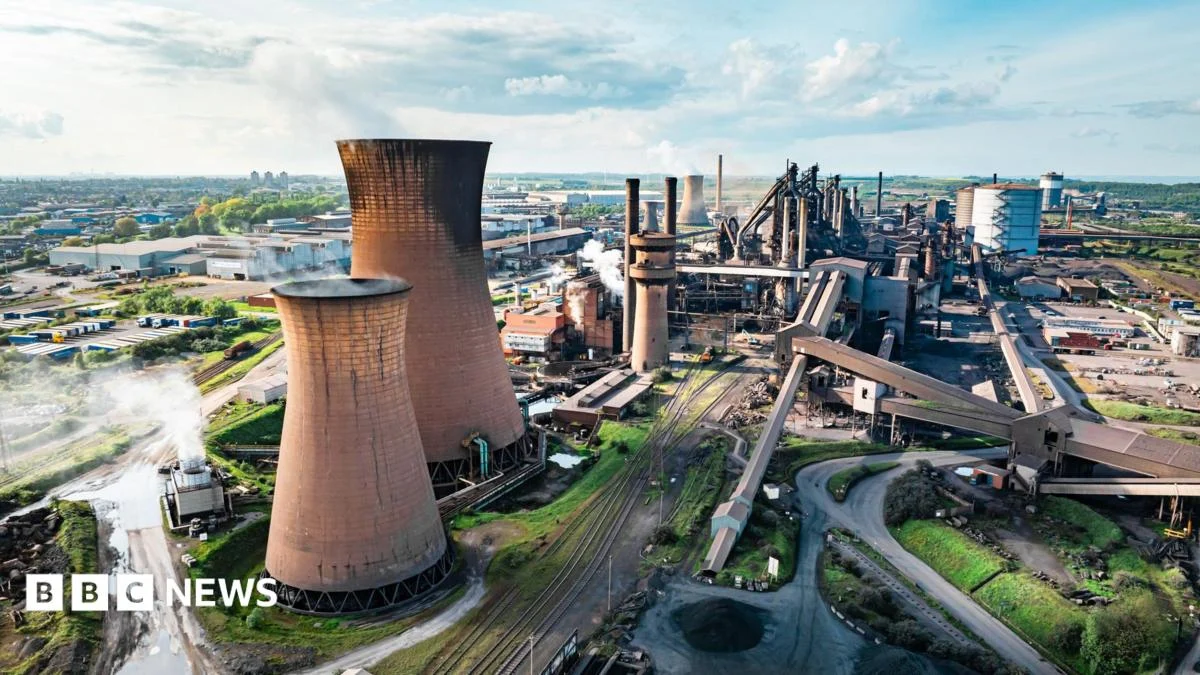
A committee of British lawmakers has concluded that the government has not provided a credible plan for making British Steel profitable, raising fresh questions about the future of the struggling steelmaker and the broader industrial strategy. The finding comes from a committee report that criticised the lack of detail around how the company will return to financial health.
The report adds to ongoing scrutiny of state-backed efforts to stabilise British Steel, which has faced years of uncertainty over investment, ownership, and competitiveness. Parliamentarians are now pressing for greater clarity on job security, energy costs, and long-term funding.
Key Facts
- BBC News: A committee report says the government has not set out how British Steel will become profitable.
- BBC News: MPs say the British Steel plan lacks credibility.
- BBC News: No detailed explanation of profitability measures was provided.
The Story
How did we get here?
British Steel has been the subject of repeated government intervention in recent years, following concerns over its financial sustainability and role in national infrastructure. A parliamentary committee reviewed the latest proposal and found the roadmap for profitability insufficiently detailed for scrutiny. According to BBC News, lawmakers concluded that crucial assumptions about costs, demand, and investment had not been clearly explained to the public or to elected representatives.
The committee report reflects wider concerns about the transparency of industrial policy for strategically important sectors. Officials have argued that market conditions and global pressures complicate straightforward projections, but the committee says the absence of a coherent plan undermines confidence. This dynamic sits within a broader backdrop of energy price pressures and supply chain shifts affecting heavy industry across Europe.
What happens next?
Following publication of the report, MPs are expected to seek further clarification from relevant departments and possibly call for hearings to obtain additional detail. The government may also face questions from the floor of the House of Commons regarding remedial steps. BBC News noted that ministers have previously defended the strategic importance of maintaining domestic steel production capabilities, even amid persistent profitability concerns.
Stakeholders including unions and business groups will likely monitor whether new assurances emerge on employment levels, capital expenditure, and export capacity. The committee’s findings may also influence upcoming budget discussions on infrastructure spending and green investment incentives. Analysts suggest that any updated blueprint will need stronger links between energy policy, procurement rules, and industrial competitiveness.
Who is affected?
Workers at British Steel sites, suppliers in the broader manufacturing ecosystem, and taxpayers footing potential bailouts form the core group affected by the committee’s conclusions. Local communities dependent on plant operations also fall under consideration. For policymakers, the episode tests how transparently strategic assets are managed when commercial viability remains uncertain.
Investors too watch outcomes closely since shifts in rhetoric around profitability can influence private-sector willingness to participate via partnerships or joint ventures. Pension funds tied to steel-sector investments must weigh risk exposure against expected returns given volatile commodity prices and regulatory uncertainty. Meanwhile, neighbouring countries’ steel producers observe precedents set here when negotiating their own subsidy frameworks amid trade tensions and climate targets.
What We Know — and What We Don’t
Verified by the source:
- A committee report says the government has not set out how British Steel will become profitable.
- MPs say the British Steel plan lacks credibility.
- The report was reported by BBC News.
Still unconfirmed:
- The specific committee that produced the report.
- Exact dates of the report’s publication or parliamentary debate.
- Whether ministers have formally responded to the criticisms.
- Any projected timeline for revised proposals or remedial action.
Why It Matters
British Steel plays a symbolic and material role in the nation’s industrial base, supplying materials for infrastructure, construction, and defence-related projects. Doubts raised by elected representatives about the company’s turnaround strategy matter not only for workforce stability but also for public trust in how taxpayer-backed enterprises are governed. As debates intensify around economic resilience and energy transition, decisions taken here carry implications extending beyond a single corporation.
For readers concerned with accountability, the exchange illustrates how parliamentary oversight interacts with complex economic realities where clear answers often remain elusive despite repeated calls for transparency. Visit our politics and economy and markets sections for related coverage.
What To Watch
Watch for potential follow-up hearings, departmental replies, or revised proposals addressing the committee’s concerns.