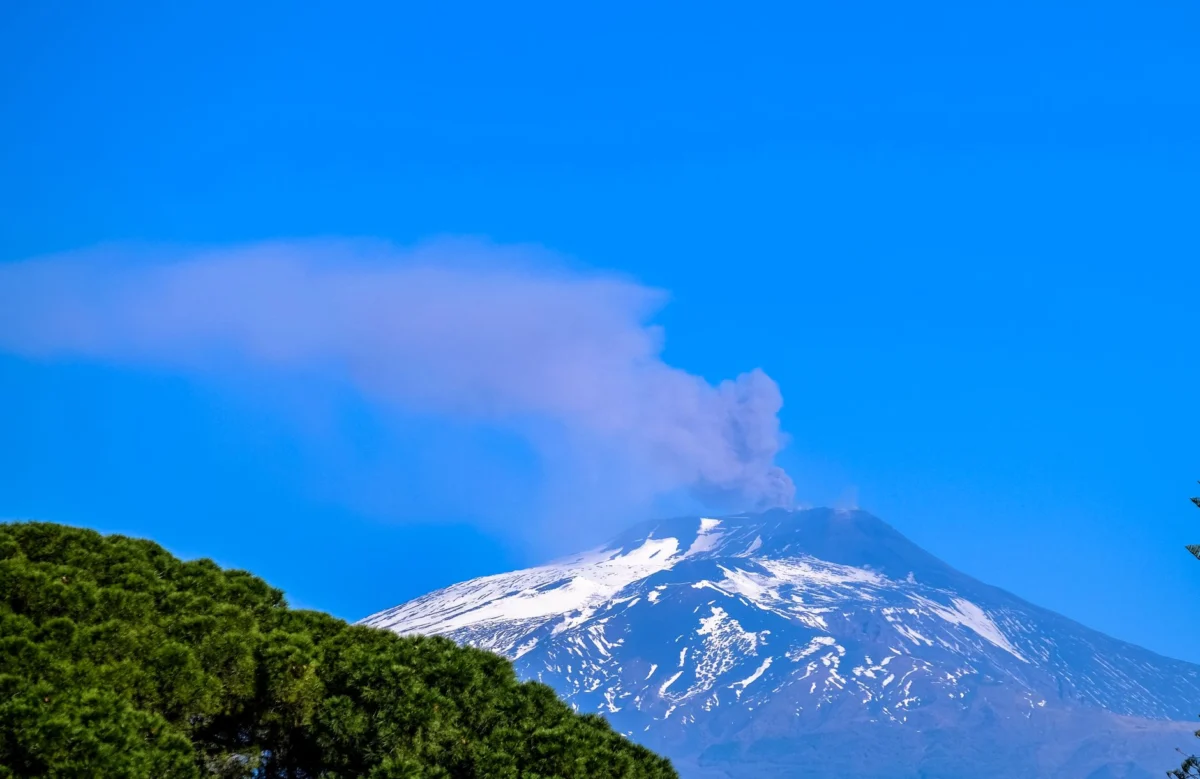
Mount Etna has erupted, creating a fiery display that has disrupted hundreds of flights. The eruption, reported by Reuters, has led to significant travel delays as ash clouds spread across the region. Authorities are monitoring the situation closely to ensure the safety of travelers and residents.
The eruption of Mount Etna is a reminder of the volcano’s active nature and its potential impact on nearby communities and global air traffic. As one of the most active volcanoes in Europe, Mount Etna’s eruptions are closely watched by scientists and aviation authorities alike.
Key Facts
- Mount Etna erupted in a fiery display.
- The eruption disrupted hundreds of flights.
What Happens Next?
Authorities are expected to continue monitoring the volcanic activity to assess any further risks to aviation and local communities. Flight schedules may remain disrupted until the ash clouds dissipate and airspace is deemed safe for travel.
Who Is Affected?
Travelers and airlines are the most impacted by the eruption, with hundreds of flights canceled or delayed. Local residents may also experience temporary disruptions due to ashfall and reduced visibility.
What We Know — and What We Don’t
Verified by the source:
- Mount Etna erupted, causing a fiery display.
- Hundreds of flights were disrupted.
Still unconfirmed:
- The exact number of flights affected.
- The duration of the flight disruptions.
- The extent of ashfall in local communities.
Why It Matters
Mount Etna’s eruptions have a significant impact on both local and global scales. The disruption of flights highlights the interconnectedness of natural events and modern travel infrastructure. Ensuring the safety of travelers and minimizing economic impacts remain critical priorities.
What To Watch
Further updates from aviation authorities and scientific monitoring teams will provide clarity on the duration of flight disruptions and any ongoing risks from the eruption.