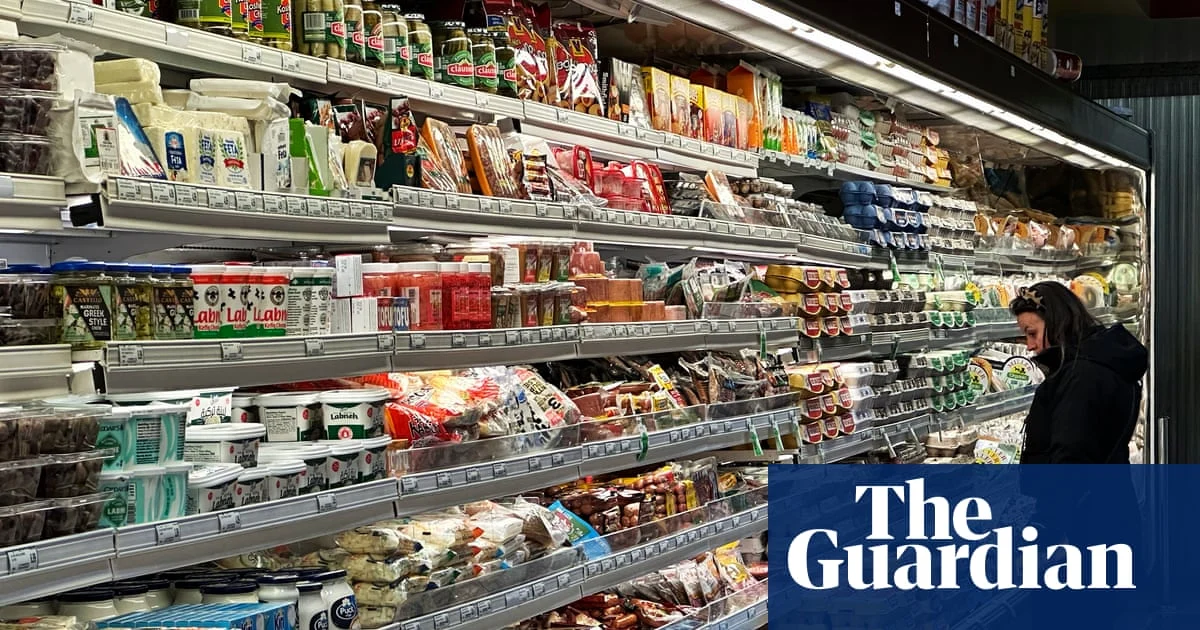
Lede: Most Americans say they are experiencing a recession, even though the US has not met the technical definition of two consecutive quarters of negative economic growth. A Harris Poll commissioned by Business | The Guardian found that nearly two-thirds of Americans feel the economy is in downturn, citing rising prices and a stagnant job market as signs that match their own personal recession indicator.
For many Americans, the official definition of a recession may not reflect their lived reality. Higher grocery bills, slower hiring, and reduced hours are shaping how people interpret their financial well-being.
KEY FACTS
- 66% of Americans think the US is in a recession, per a Harris Poll.
- The technical recession definition requires two consecutive quarters of negative GDP growth.
- The US has not met this threshold as of the latest data.
- Rising prices and a stagnant job market contribute to public perception.
- Business | The Guardian is collecting reader experiences about personal recession indicators.
The Story
What Happens Next?
Americans are being asked to share what they personally notice that suggests an economic downturn. These observations, called personal recession indicators, range from changes in local hiring to shifts in consumer behavior.
The Harris Poll data reflects a gap between statistical measures and public sentiment. While economists rely on GDP, unemployment, and inflation figures, individuals often gauge the economy through their own financial experiences.
This disconnect matters because public perception can influence spending, saving, and voting patterns, even when official metrics do not indicate a recession.
Who Is Affected?
Anyone who tracks their cost of living is affected. Consumers, workers, and families are interpreting rising costs and job market changes through their personal recession indicator lens.
The call for reader input by Business | The Guardian highlights how personal finance experiences vary widely. Some may notice empty storefronts, while others see reduced work hours or higher utility bills.
These individual signals, when aggregated, may offer an alternative measure of economic distress that complements traditional data.
WHAT WE KNOW — AND WHAT WE DON’T
Verified by the source:
- A Harris Poll commissioned by Business | The Guardian surveyed American adults.
- Nearly two-thirds of respondents believe the US is in a recession.
- Rising prices and a stagnant job market influence this perception.
- The technical recession definition has not been met in the US.
Still unconfirmed:
- Exact poll dates, sample size, or methodology.
- Specific reader submissions or personal recession indicators.
- Precise GDP or inflation figures cited.
WHY IT MATTERS
Public perception of the economy often drives behavior more than raw data. Understanding what people observe as their personal recession indicator helps explain how households are adapting, regardless of technical definitions.
WHAT TO WATCH
Future polling and reader submissions may reveal whether personal recession indicators align more closely with economic outcomes than traditional metrics.
No specific next steps were reported by Business | The Guardian beyond inviting public input.