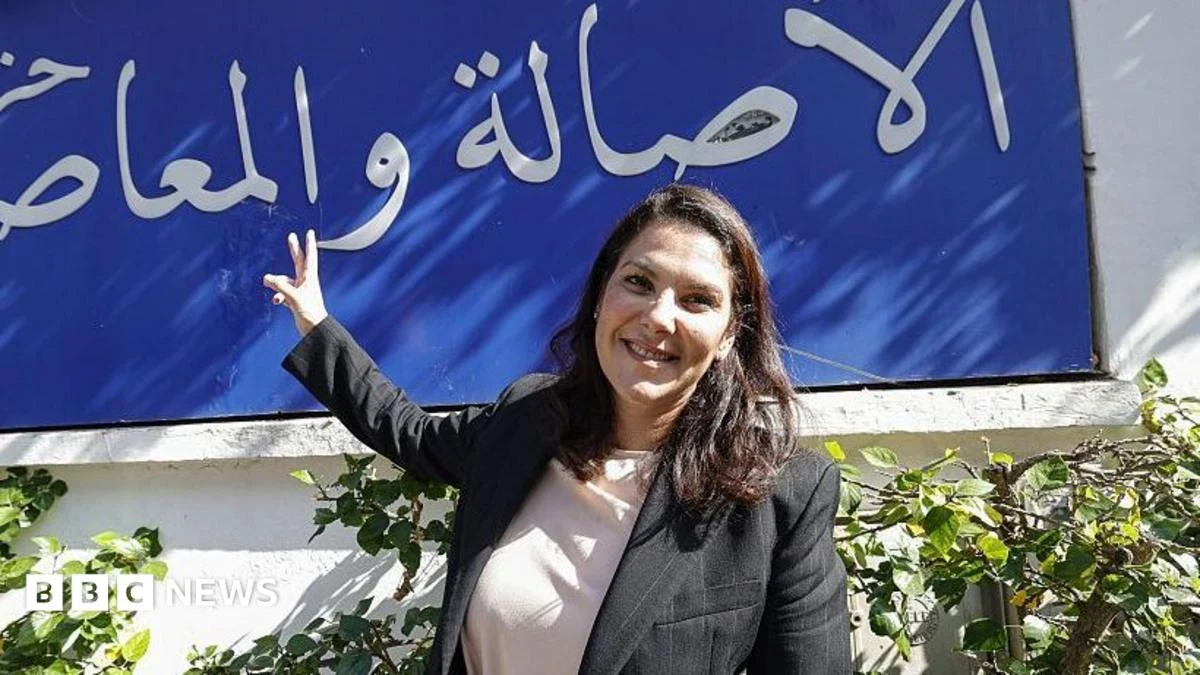
Limited details are available, but the appointment of Fatima El Mansouri as Morocco’s first female prime minister has drawn attention to the challenges facing women in high-level politics. She now operates in a space where royal authority, religious influence, and feminist goals intersect.
El Mansouri’s position highlights ongoing debates about gender and leadership in Morocco. Her ability to advance women’s rights may depend on balancing competing forces within the country’s political and religious landscape.
KEY FACTS
- Fatima El Mansouri is Morocco’s first female prime minister.
- She faces pressure from the king, clerics, and feminist groups.
- Her ability to advance women’s rights is uncertain.
- The situation reflects broader tensions in Moroccan society.
- The story raises questions about political and religious constraints.
THE STORY
Who is affected?
The appointment of Morocco’s first female prime minister places her at the center of competing expectations. Women’s rights groups may hope she supports expanded legal and social freedoms, while conservative clerics may resist changes they view as conflicting with religious teachings. The king remains the ultimate authority, influencing both policy direction and acceptable reforms. The prime minister must weigh these dynamics as she defines her role and agenda.
How did we get here?
Morocco has seen gradual shifts toward greater female participation in public life over recent years. However, the country maintains a legal system influenced by Islamic law, which shapes policies on family, marriage, and gender roles. Previous efforts to reform women’s rights have sparked debate between modernizers and traditionalists. The elevation of a female prime minister represents a notable milestone, even if structural barriers persist.
WHAT WE KNOW — AND WHAT WE DON’T
Verified by the source:
- Morocco has appointed its first female prime minister.
- Fatima El Mansouri holds the position.
- She faces influence from the king, clerics, and feminists.
- Advancing women’s rights involves significant obstacles.
Still unconfirmed:
- Specific policies she plans to pursue.
- Exact extent of opposition from any group.
- Timeline for potential reforms.
- Details of her political background.
- Public reaction within Morocco.
WHY IT MATTERS
The role of a female prime minister in a traditionally conservative monarchy touches on global questions about democracy, religion, and gender equality. How Morocco navigates these pressures may offer insights applicable to other nations balancing tradition and reform. The outcome could signal whether incremental change is possible in deeply rooted systems.
WHAT TO WATCH
Observers will look for signs of how El Mansouri asserts her authority and whether she can build coalitions across religious and feminist lines. Official responses from government institutions could clarify the limits and possibilities of her mandate.