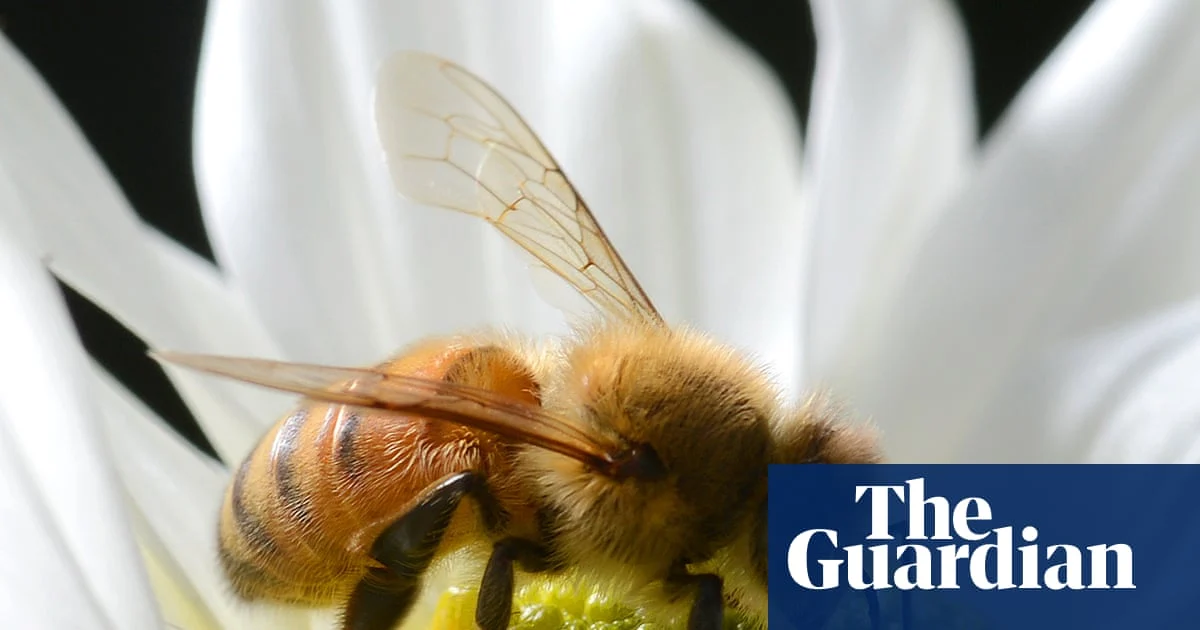
An estimated 800,000 bees have been stolen from properties in far north Queensland in a sophisticated operation, dealing another blow to an industry already struggling with the recent arrival of the varroa mite parasite.
The theft, which The Guardian reports is part of an organized effort, highlights growing pressures on Australia’s beekeeping sector. Apiarists are not only losing the insects themselves but also the value of pollination contracts, which can be worth thousands of dollars.
Key Facts
- Estimated 800,000 bees stolen from properties in far north Queensland.
- The operation was described as sophisticated by reporting sources.
- Theft is compounding existing industry struggles following the varroa mite outbreak.
- Apiarists risk losing pollination contract value along with the bees.
- Total losses are estimated in the tens of thousands of dollars.
Who Is Affected?
The primary victims of the bee theft are local apiarists operating in far north Queensland. These operators manage commercial hives used for honey production and crop pollination services. Losing such a large number of bees directly impacts hive productivity and future yields. More significantly, many apiarists rely on pollination contracts with farmers, agreements that guarantee income based on the presence of healthy bee colonies during key flowering periods. When thousands of bees disappear, these contracts may be voided or downgraded, resulting in lost revenue beyond the immediate replacement cost of the insects.
The situation is further complicated by the recent detection of the varroa mite parasite in the region. This invasive species threatens bee populations by weakening immunity and spreading diseases. With both theft and biological threats at play, the local beekeeping community faces a dual crisis that undermines long-term sustainability.
How Did We Get Here?
Australia had remained relatively free of the varroa mite until its confirmed detection earlier this month, triggering emergency responses from agricultural authorities. The mite, scientifically known as Varroa destructor, attaches to bees and feeds on their hemolymph, often transmitting deadly viruses in the process. Its presence has led to mandatory quarantines and culling orders in affected zones. Against this backdrop, reports of large-scale bee theft suggest that criminal networks may be exploiting weakened security around hives or targeting operations weakened by disease management efforts. The convergence of biosecurity failure and criminal activity presents new risks for rural communities dependent on apiculture.
What We Know — and What We Don’t
Verified by the source:
- Approximately 800,000 bees were stolen across multiple properties.
- The theft was described as part of a sophisticated operation.
- The value of stolen bees is estimated at tens of thousands of dollars.
- Theft impacts include loss of pollination contract income.
- Beekeepers are currently coping with a varroa mite outbreak.
Still unconfirmed:
- The exact number of properties targeted in the theft.
- Identity or motives of those responsible for the theft.
- Precise timing and method used in executing the theft.
- Whether law enforcement has made any arrests or identified suspects.
- Full extent of financial impact on individual apiarists.
Why It Matters
Bee theft and biosecurity threats like the varroa mite pose serious risks to agricultural stability in Australia. Bees play a critical role in pollinating crops responsible for billions of dollars in annual production. Disruptions to bee populations can ripple through food supply chains, affecting everything from fruit growers to seed producers. For small-scale operators, losses from theft or infestation can threaten viability. On a broader scale, this incident underscores how interconnected modern farming is with ecological health and environmental regulation.
What To Watch
Government agencies may soon release updated guidance on hive protection measures and disease surveillance protocols. Investigations into the reported theft continue, though no official statements or charges have been announced at this time.