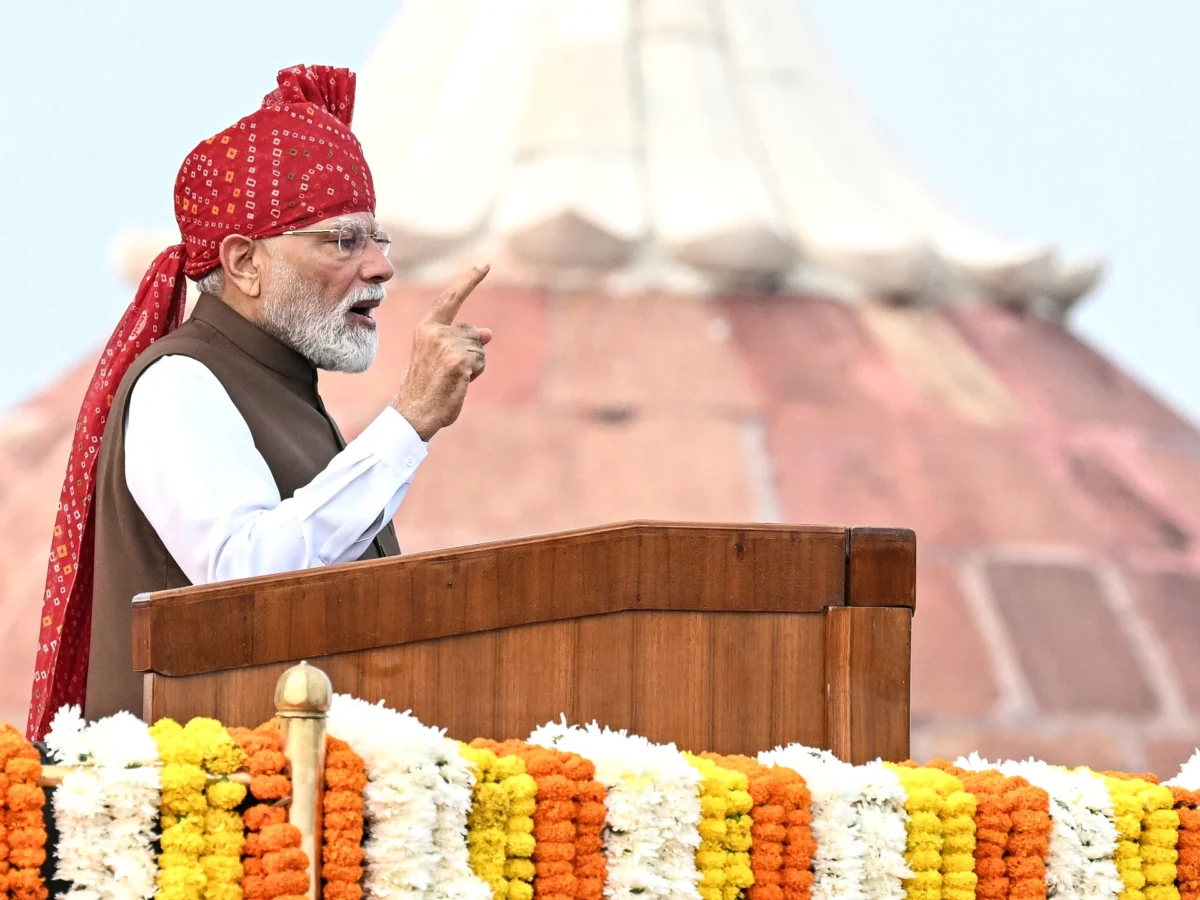
Prime Minister Modi has indicated a new focus on ‘intellectual Naxals,’ stating in his Independence Day speech that while the Maoist-influenced Naxalite rebellion is largely diminished, its ideological supporters continue to pose a threat. This declaration signals a potential shift in strategy for how the Indian government addresses internal security challenges, moving beyond the direct confrontation of armed groups to target those perceived as their intellectual backers. The comments suggest an expansion of the government’s concern regarding Naxalism from its historical strongholds to broader societal spheres where intellectual influence might be at play.
The Prime Minister’s remarks highlight a distinction between the active, violent insurgency and a more subtle form of perceived threat. This framing suggests a belief that even without a widespread armed conflict, the underlying ideology of the Naxalite movement could still be propagated, requiring governmental attention. The focus on ‘intellectual Naxals’ implies an acknowledgment of the persistent nature of ideological struggles even as physical conflicts wane.
Key Facts
- Modi threatened to target ‘intellectual Naxals’.
- The threat was made during his Independence Day speech.
- The Maoist-influenced Naxalite rebellion is largely gone.
- Its ideological backers still pose a threat.
What does ‘Intellectual Naxals’ mean in this context?
In his Independence Day speech, Prime Minister Modi referred to ‘intellectual Naxals,’ signifying a perceived threat from individuals who may not be directly involved in armed rebellion but are seen as providing ideological support or justification for the Naxalite movement. This term suggests a concern about the propagation of Naxalite ideas and principles through intellectual discourse, academic circles, or activism, rather than through direct violence. The Prime Minister’s statement implies that even with the physical rebellion largely suppressed, the underlying ideology remains a concern for the Indian government. This focus could indicate a broadened scope of security efforts, extending to individuals or groups who articulate views that the government associates with Naxalite thought, even if those views are expressed through non-violent means. The distinction made between the ‘rebellion’ and ‘ideological backers’ underscores this shift.
How has the Naxalite threat evolved?
According to Prime Minister Modi’s Independence Day speech, the Maoist-influenced Naxalite rebellion itself is largely gone. This assessment suggests a significant reduction in the active, armed insurgency that has historically challenged state authority in various parts of India. However, the Prime Minister’s subsequent statement identifies a continuing threat from the ‘ideological backers’ of the movement. This indicates an evolution of the perceived Naxalite threat from overt armed conflict to a more subtle, intellectual dimension. The government appears to believe that while the physical manifestation of the rebellion has diminished, the foundational ideas that fuel it persist and could potentially inspire future challenges. This perspective points to a change in the nature of the perceived danger, requiring a different approach from security forces and policymakers.
What We Know — and What We Don’t
Verified by the source:
- Prime Minister Modi threatened to target ‘intellectual Naxals’ in his Independence Day speech.
- Modi stated that the Maoist-influenced Naxalite rebellion is largely gone.
- Modi also stated that the rebellion’s ideological backers still pose a threat.
Still unconfirmed:
- Specific details on who constitutes an ‘intellectual Naxal.’
- The specific methods or policies the government plans to use to ‘target’ these individuals.
- The exact geographical areas or sectors where these ‘ideological backers’ are most active.
- The timeline for any government actions related to this threat.
Why It Matters
The Prime Minister’s declaration signifies a potential shift in India’s internal security policy, moving beyond conventional anti-insurgency operations to address ideological challenges. This approach could broaden the scope of government action against dissent or intellectual discourse deemed supportive of Naxalite ideology, potentially affecting civil liberties and freedom of expression within the country. The focus on ‘intellectual Naxals’ highlights the government’s concern about the narrative and ideological foundations that sustain movements deemed threats to national security.
What To Watch
Further statements from government officials or policy announcements regarding the definition of ‘intellectual Naxals’ and the specific actions to be taken will be crucial to understand the implications of this threat.