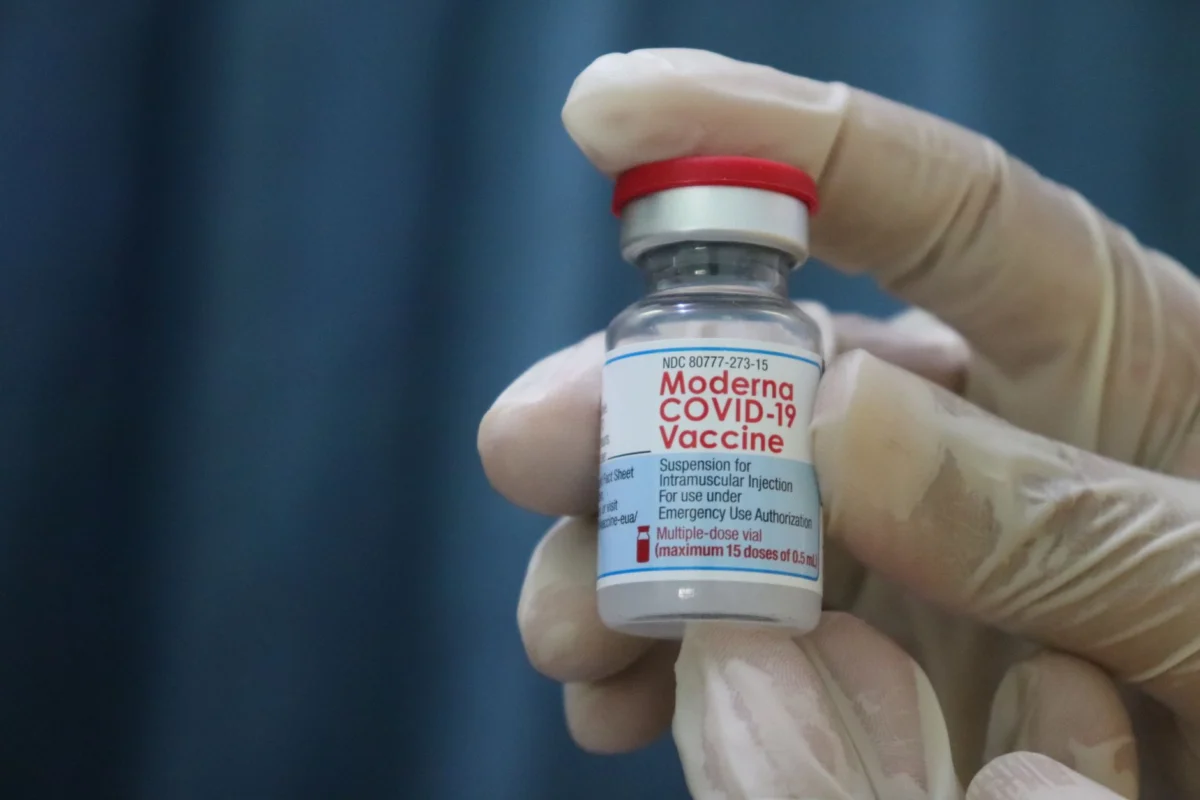
Moderna’s shares rose after news that its melanoma vaccine developed with Merck cut recurrence in a large trial.
The vaccine, which uses mRNA technology similar to the company’s COVID‑19 shots, is being tested as a way to prevent the skin cancer from coming back after surgery.
KEY FACTS
- shares surge
- Merck‑partnered cuts recurrence
- The result comes from a
- The vaccine is being developed jointly by and
- It targets melanoma, a type of skin cancer
How the vaccine works
The vaccine uses messenger RNA to instruct cells to make proteins that train the immune system to recognize melanoma cells. This approach is similar to the mRNA vaccines used against infectious diseases. By priming the immune system, the vaccine aims to stop microscopic disease from growing into visible tumours after initial treatment.
Melanoma arises from pigment‑producing cells in the skin and can spread if not caught early. Current treatments include surgery, immunotherapy and targeted drugs, but relapse remains a concern. A preventive vaccine could address this gap by training the body’s defenses to recognise and eliminate residual cancer cells.
Researchers have been exploring cancer vaccines for decades, with mRNA platforms offering a flexible way to encode tumour‑specific antigens. The Moderna‑Merck collaboration builds on earlier work with personalized neoantigen vaccines, aiming for a broader, off‑the‑shelf approach.
Market reaction
Investors reacted positively to the news, sending shares higher. The move reflects optimism that a successful cancer vaccine could add a new revenue stream and diversify the company’s pipeline beyond its COVID‑19 franchise.
Stock analysts often view early‑stage efficacy signals as a catalyst for re‑rating biotech shares, especially when the data come from a large, well‑designed trial. The surge indicates that market participants see potential value in the vaccine’s prospects, even before detailed results are published.
Such reactions are common in the biotech sector, where news of clinical progress can quickly shift investor sentiment and influence valuations.
What happens next?
Further data from the ongoing trial will be needed to confirm the size of the benefit and any safety signals. Regulatory agencies will review the evidence before deciding whether to authorize the vaccine for broader use.
Typical next steps include subgroup analyses, longer‑term follow‑up to assess durable protection, and discussions with the FDA or EMA about potential accelerated pathways. The companies may also plan additional studies in earlier‑stage melanoma or in combination with existing immunotherapies.
Until those milestones are reached, the vaccine remains investigational, and any timeline for approval is uncertain.
What We Know — and What We Don’t
Verified by the source:
- shares rose
- A created with reduced recurrence in a
Still unconfirmed:
- The exact percentage reduction in recurrence
- The number of patients enrolled in the trial
- Any side‑effects observed
- The timeline for potential regulatory submission or approval
- Whether the vaccine will be effective across different melanoma subtypes
Why It Matters
A vaccine that lowers the chance of melanoma returning could improve outcomes for thousands of patients each year and represent a significant advance in cancer prevention.
What To Watch
Watch for upcoming trial readouts, statements from or , and any moves toward regulatory filing that would clarify the vaccine’s path to market.