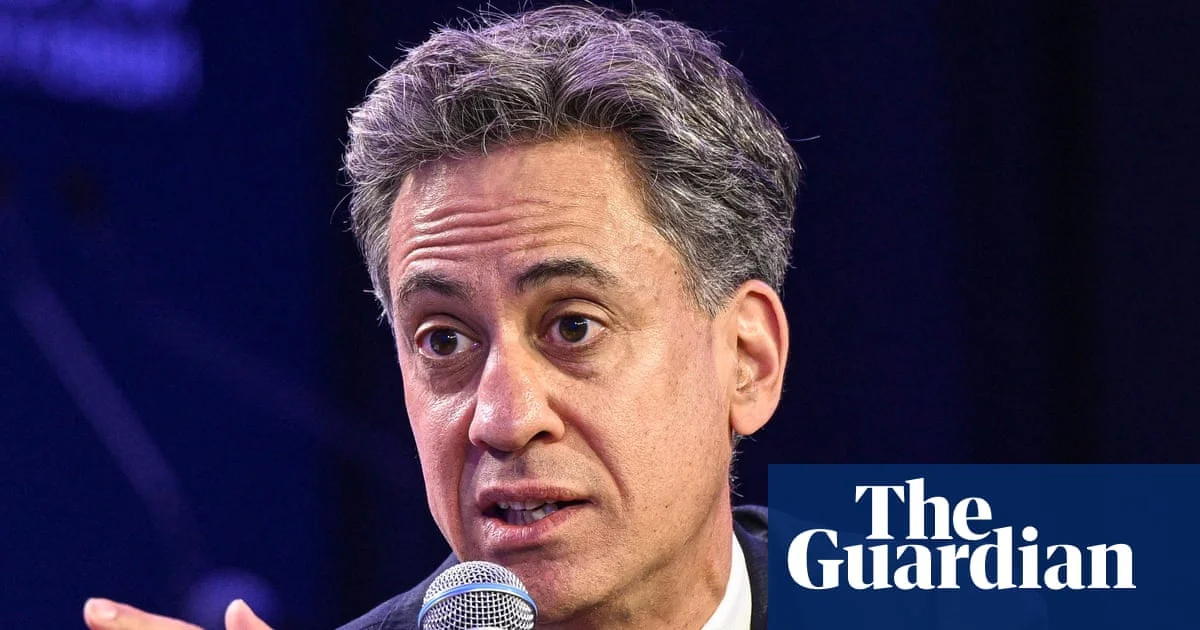
UK Foreign Secretary Ed Miliband will argue that the global financial system is failing developing countries and call for urgent reform, including new support from the World Bank, to help governments trapped by high borrowing costs. He plans to use UK diplomatic influence to push for a fresh approach to debt and development financing.
Miliband is expected to frame his appeal around a so-called “new deal” for heavily indebted governments, echoing themes from the 2005 Gleneagles summit and the Make Poverty Holiday campaign, according to The Guardian.
Key Facts
- Ed Miliband says the global financial system is failing developing countries.
- He will call for a “new deal” to help governments struggling with debt.
- He plans to offer UK diplomatic support for urgent reform.
- His speech will reference the 2005 Gleneagles summit and Make Poverty Holiday.
- He will ask the World Bank to help governments facing high borrowing costs.
Why the global financial system is under scrutiny
Miliband’s argument reflects longstanding criticism that international lending structures place heavy debt burdens on low-income governments, limiting their ability to invest in public services or climate resilience. High borrowing costs often force these countries to divert resources toward debt servicing rather than development priorities, a dynamic that campaigners have warned deepens inequality.
Institutions such as the World Bank and the International Monetary Fund play a central role in global development finance, providing loans and policy advice to governments that need external funding. Critics argue that current frameworks can lock countries into cycles of dependency, while supporters say reformed governance and better terms can ease strain without undermining fiscal responsibility.
What happens next after Miliband’s call?
The foreign secretary’s intervention adds political weight to ongoing debates about restructuring international debt and financing mechanisms. His reference to the 2005 Gleneagles summit signals an attempt to connect his message to earlier multilateral commitments, though the specific policy proposals he will advance remain unspecified in the source material.
Reform efforts typically require coordination among multiple lenders, including the World Bank, regional development banks, and private creditors. Previous initiatives aimed at debt sustainability have faced slow implementation, raising questions about whether renewed diplomatic pressure from the UK will translate into concrete changes for affected governments.
Who is affected by debt and borrowing costs
Governments in low- and middle-income countries bearing heavy debt loads are the primary audience for Miliband’s proposed new deal. These governments frequently face elevated borrowing costs in international markets, which increase the expense of financing infrastructure, education, and healthcare projects, according to The Guardian.
Without lower financing costs or targeted relief, economists warn that debt-servicing pressures may force difficult trade-offs between essential public spending and meeting existing obligations. The role of the World Bank in offering more favorable terms has been a recurring point of discussion in development circles, though past reforms have varied in scope and impact.
What We Know — and What We Don’t
Verified by the source:
- Ed Miliband is the UK foreign secretary.
- He plans to say the global financial system is failing developing countries.
- He will call for a new deal to support indebted governments.
- He will reference the 2005 Gleneagles summit and Make Poverty Holiday.
- He will ask the World Bank to assist governments with borrowing costs.
Still unconfirmed:
- The exact timing and format of Miliband’s speech.
- Specific policy proposals he will put forward.
- Named co-sponsors or endorsers of his initiative.
- Any official response from the World Bank or other institutions.
Why it matters
How the global financial system treats developing nations affects access to affordable capital for essential services like schools, hospitals, and climate adaptation projects. When debt servicing crowds out public investment, entire populations may lose out on progress that richer countries typically assume as standard, making these debates central to broader questions of global equity and economic stability.
What to watch
Observers will look for whether Miliband’s appeal leads to concrete proposals from the UK government and whether lenders such as the World Bank respond with new support programs for heavily indebted countries.