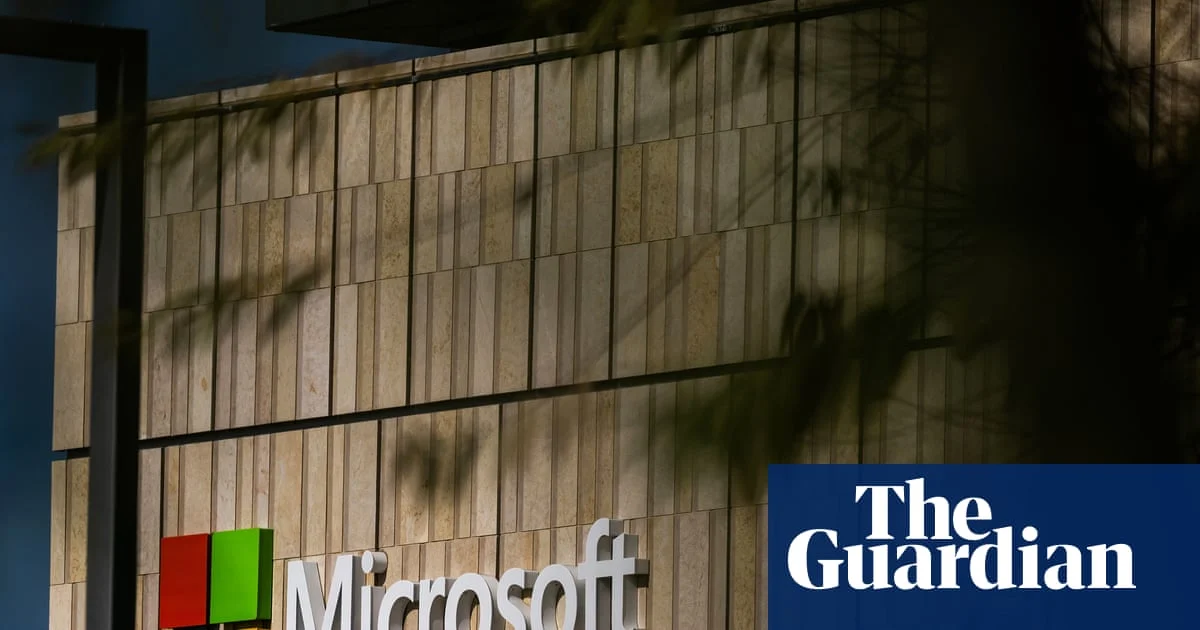
Microsoft is reportedly preparing to offer employee buyouts to approximately 60,000 staff, marking another round of workforce restructuring driven by rising artificial intelligence adoption and cost-control pressures. The move, reported by Business | The Guardian, would follow earlier 2024 reductions and underscores how major tech firms are adjusting operations as AI advances.
The buyouts target a significant slice of Microsoft’s global workforce, which the company has been trimming in waves this year. Reports indicate the company previously offered voluntary retirement to about 7 percent of its U.S.-based employees, roughly 125,000 people, as part of broader cost-management efforts linked to AI transformation and shifting strategic priorities.
KEY FACTS
- Microsoft reportedly plans employee buyouts for 60,000 workers.
- Buyouts aim to cut costs amid rising AI usage, reports say.
- Earlier in 2024, Microsoft offered voluntary retirement to 7% of U.S. staff.
- At that time, Microsoft’s U.S. workforce was about 125,000 employees.
- Microsoft employs about 223,000 people globally, per reports.
The Story
How did we get here?
Microsoft’s workforce adjustments reflect a broader trend across Big Tech, where companies are recalibrating headcount and expenses in response to rapid AI development. The reported 60,000-person buyout target represents a substantial portion of its global staff, suggesting deep strategic shifts rather than minor trimming.
In April 2024, Microsoft initiated voluntary early retirement programs affecting roughly 7% of its U.S. employees, then totaling around 125,000 workers. That step hinted at accelerating plans to streamline operations, potentially to reallocate resources toward AI-focused initiatives and infrastructure investments at scale.
With a global workforce of approximately 223,000 employees, the latest proposed buyouts could reshape teams across engineering, sales, and support functions. Analysts tracking tech-sector employment changes note that AI-driven automation and cloud optimization are prompting large-scale workforce reviews industry-wide, though Microsoft has not confirmed specific numbers or timelines publicly.
What happens next?
The outcome of the reported buyouts will likely signal whether other tech giants follow suit with similar cost-cutting and AI-prioritized strategies. Employee unions, investors, and labor experts are watching closely for signs that these changes reflect long-term structural shifts rather than short-term adjustments.
According to Business | The Guardian, Microsoft has not yet issued official confirmation of the buyout figures or which divisions may be affected. Company spokespersons were not cited directly in the report, leaving questions about implementation dates, eligibility criteria, and severance terms unanswered for now.
Industry observers expect possible follow-up commentary from Microsoft leadership during upcoming earnings calls or investor briefings. Until then, workforce transitions remain fluid, and impacted employees may receive guidance through internal communications channels over the coming weeks.
What We Know — and What We Don’t
Verified by the source:
- Microsoft is reportedly offering buyouts to 60,000 employees.
- The buyouts tie to cost-reduction goals tied to AI expansion.
- April 2024 saw voluntary retirement offers for 7% of U.S. staff.
- U.S. workforce at that time was about 125,000 employees.
- Global headcount stands at roughly 223,000 workers.
Still unconfirmed:
- Exact timeline or rollout phases for the buyouts.
- Which departments or roles are most impacted.
- Precise severance packages or opt-in conditions.
- Official statement or rationale from Microsoft directly.
Why It Matters
As artificial intelligence reshapes productivity models and business strategy, workforce reductions at leading tech companies affect not only employees but also broader economic dynamics around hiring, innovation investment, and labor expectations in high-growth sectors like software and cloud services. Microsoft AI tools continue advancing across Azure, Office, and Dynamics platforms, pushing firms to balance automation gains against human capital costs. Layoffs and buyouts ripple through supplier networks, real estate markets, and consumer tech adoption cycles, influencing everything from urban economies to retirement planning for thousands.
What To Watch
Microsoft has not publicly confirmed the reported buyout details, leaving eligibility rules and timing unclear. Investors and analysts will likely focus on upcoming quarterly reports for indications of how AI-driven restructuring influences financial results and long-term headcount strategy moving forward through 2025 and beyond globally.
Explore more on economy and markets or tech and AI developments.
Read more: economy and markets | tech and AI