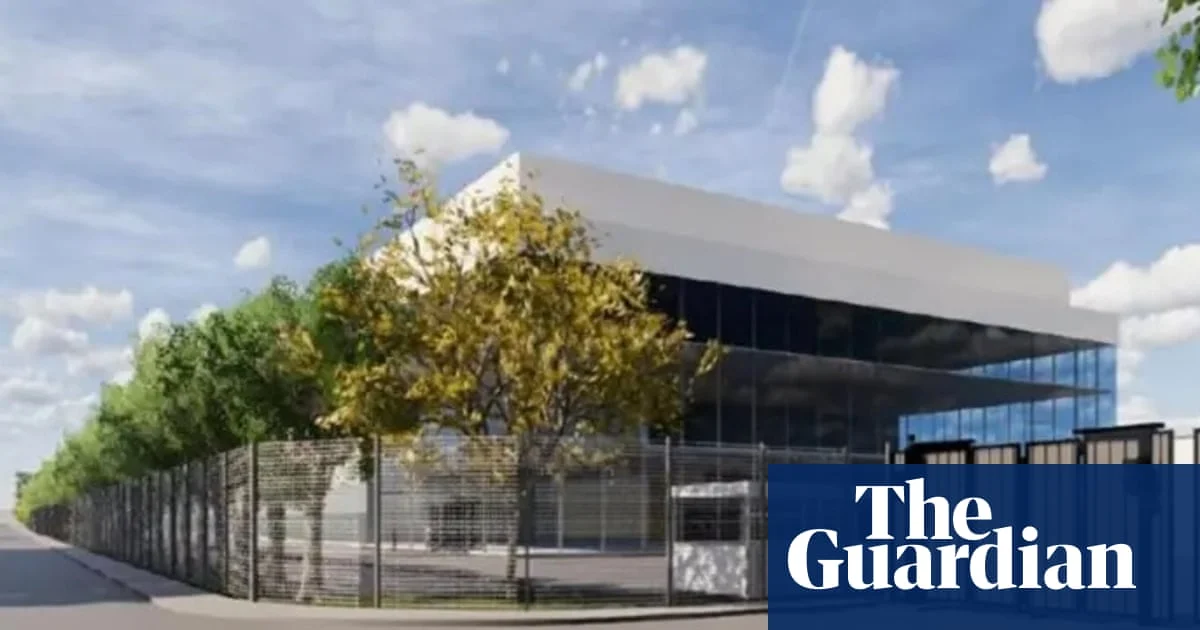
Microsoft has pulled out of a major AI datacentre project in Essex, citing concerns over power supply reliability. The development, led by UK firm Nscale, was previously hailed by government ministers as the largest of its kind in the country. The cancellation of Microsoft as the anchor tenant represents a significant setback for the planned facility, which was scheduled to open in Loughton next year.
The decision underscores growing challenges facing large AI datacentre projects, particularly those dependent on consistent and sufficient energy infrastructure. While the UK government had publicly supported the initiative, the withdrawal of such a high-profile tenant raises questions about the viability of similar projects moving forward. Nscale, the developer behind the scheme, has not yet commented on whether alternative tenants will be pursued.
Key Facts
- Microsoft has withdrawn from the AI datacentre project in Essex.
- The project was developed by UK firm Nscale.
- Government ministers had previously hailed it as the largest AI datacentre in the country.
- The facility was planned to open in Loughton, Essex.
- The project lost its anchor tenant, Microsoft.
Why the Project Matters
The AI datacentre project was positioned as a flagship initiative for the UK’s ambition to lead in artificial intelligence infrastructure. Announced in 2025, the development was designed to support large-scale AI operations requiring substantial computing power and energy. However, the withdrawal of Microsoft highlights ongoing concerns about energy capacity and grid stability, which are critical factors for high-energy-demand facilities like AI datacentres.
Data from [economy and markets](/category/economy-markets/) archives show increasing scrutiny around energy use by tech infrastructure. This latest development may influence future planning permissions and government-backed initiatives aimed at attracting AI investment to the UK.
What Happens Next?
With Microsoft no longer attached, the future of the Loughton site is unclear. Nscale may seek alternative tenants or repurpose the site for other uses. The company has not disclosed whether it will proceed with construction on the originally planned timeline. Meanwhile, UK officials have not released statements on whether other datacentre projects will face similar challenges.
For readers following developments in [tech and AI](/category/tech-ai/), this case illustrates how energy infrastructure constraints can directly impact even well-publicised government-backed tech initiatives. The outcome may set a precedent for how future AI datacentre proposals are evaluated and approved.
What We Know — and What We Don’t
Verified by the source:
- Microsoft withdrew due to power supply concerns.
- Nscale is a UK-based developer.
- The project was described as the largest AI datacentre in the UK.
- The facility was planned for Loughton, Essex.
- Microsoft was the anchor tenant.
Still unconfirmed:
- No official statement from Microsoft or Nscale has been provided.
- Timeline for project completion remains uncertain.
- Whether alternative tenants will be secured is unknown.
- Specific technical details about the power supply issues are not disclosed.
- Impact on local employment and investment is unclear.
Why It Matters
This development reflects broader tensions between the UK’s AI ambitions and its energy infrastructure capabilities. Large AI datacentres require vast amounts of electricity, often straining local grids. As the government continues to promote the UK as a hub for AI innovation, such setbackss may signal the need for more robust planning and energy investment before major projects are approved.
What To Watch
Stakeholders will be watching for official responses from Nscale and government bodies on whether the project will continue without Microsoft. Additional announcements regarding energy infrastructure upgrades may also influence the trajectory of future datacentre developments.