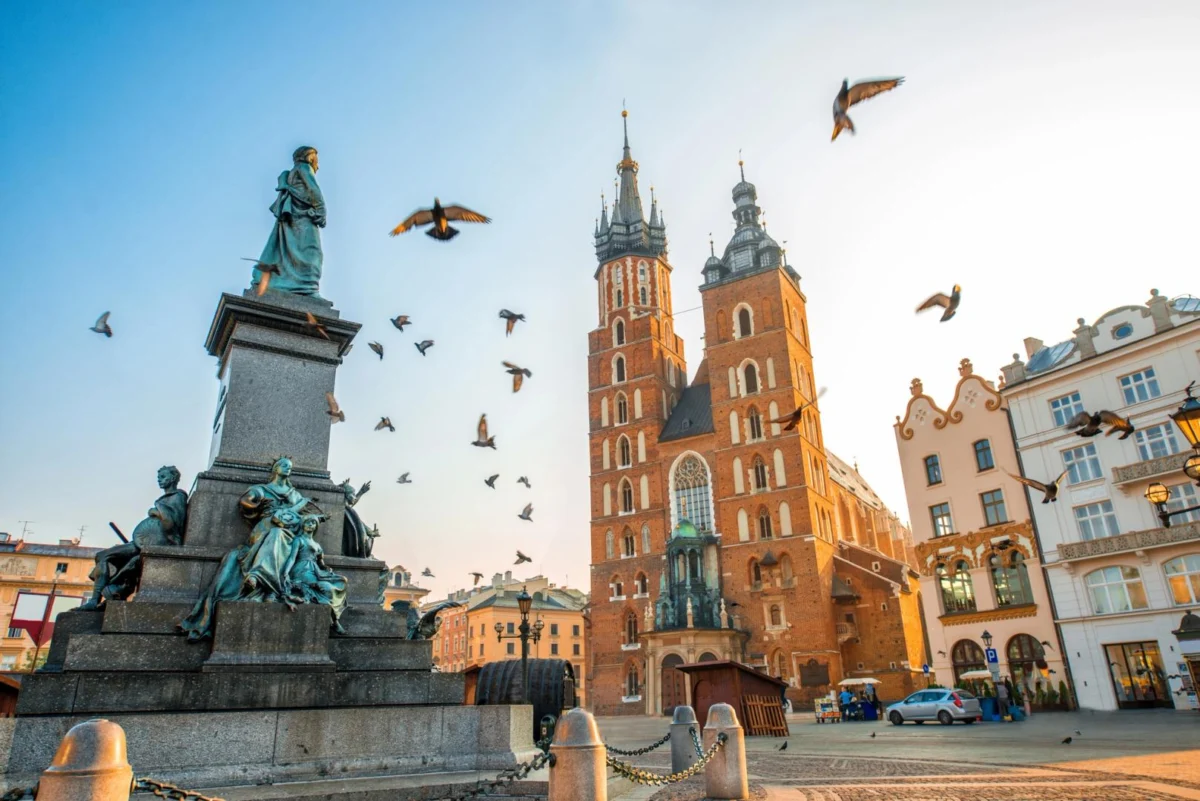
The Markets in Crypto-Assets (MiCA) regulation has significantly altered the European cryptocurrency landscape, with Poland emerging as one of the notable affected parties, according to a CoinDesk opinion piece by Mateusz Kara, founder and CEO of Morphic Financial Group. While the framework is seen as a maturation point for crypto in Europe, it may have hindered one of Poland’s key economic aspirations.
MiCA, the EU’s comprehensive regulatory framework for cryptocurrencies, aims to provide legal clarity and consumer protection. However, the implementation appears to have created winners and losers across the region, with Poland potentially falling into the latter category according to the analysis.
KEY FACTS
- MiCA regulation has transformed Europe’s cryptocurrency landscape
- Poland’s crypto-related economic ambitions may have been negatively impacted
- 2026 is viewed as a pivotal year for European crypto maturation
- Analysis comes from CEO of Morphic Financial Group in CoinDesk opinion piece
How MiCA Changed European Crypto
The Markets in Crypto-Assets regulation represents the EU’s attempt to create a unified framework for cryptocurrency oversight. By establishing clear rules for issuers and service providers, MiCA aims to protect consumers while fostering innovation. The regulation covers areas including transparency, disclosure, and authorization requirements for crypto-asset service providers.
Crypto analysts generally view MiCA as a positive step toward legitimizing digital assets in Europe, though the regulation’s impact varies by jurisdiction. Some countries with developed crypto infrastructure appear better positioned to adapt, while others face steeper challenges complying with the new requirements.
Why Poland Faces Challenges
Poland had reportedly positioned cryptocurrency development as part of its economic strategy prior to MiCA’s implementation. However, the specifics of how MiCA has affected Poland’s crypto sector remain unclear from the source material. The opinion piece suggests the country may need to recalibrate its approach to digital assets under the new regulatory regime.
Other European nations with established crypto hubs like Germany and France were actively involved in shaping MiCA and may transition more smoothly. Poland’s exact position in this emerging regulatory landscape warrants further examination as the rules take full effect.
WHAT WE KNOW — AND WHAT WE DON’T
Verified by the source:
- MiCA regulation has significantly impacted Europe’s cryptocurrency ecosystem
- Poland’s crypto-related economic ambitions may have been negatively affected
- The CEO of Morphic Financial Group provided this analysis in CoinDesk
Still unconfirmed:
- Specific ways MiCA has impacted Poland’s crypto sector
- Whether Poland’s situation is temporary or represents a long-term setback
- How other European countries are faring under MiCA implementation
WHY IT MATTERS
Crypto regulation represents a crucial inflection point for digital assets globally. The EU’s approach through MiCA could influence other jurisdictions considering similar frameworks. For individual countries like Poland, adapting to these changes may determine their position in the evolving digital economy. Established financial centers may gain advantage while emerging hubs face disruption.
WHAT TO WATCH
Observers will monitor how Poland and other European nations adapt to MiCA implementation in coming years. The long-term impact on innovation, investment, and economic development across Europe’s crypto sector remains to be fully understood as the regulation takes effect. More data and analysis will be needed to assess MiCA’s true winners and losers.