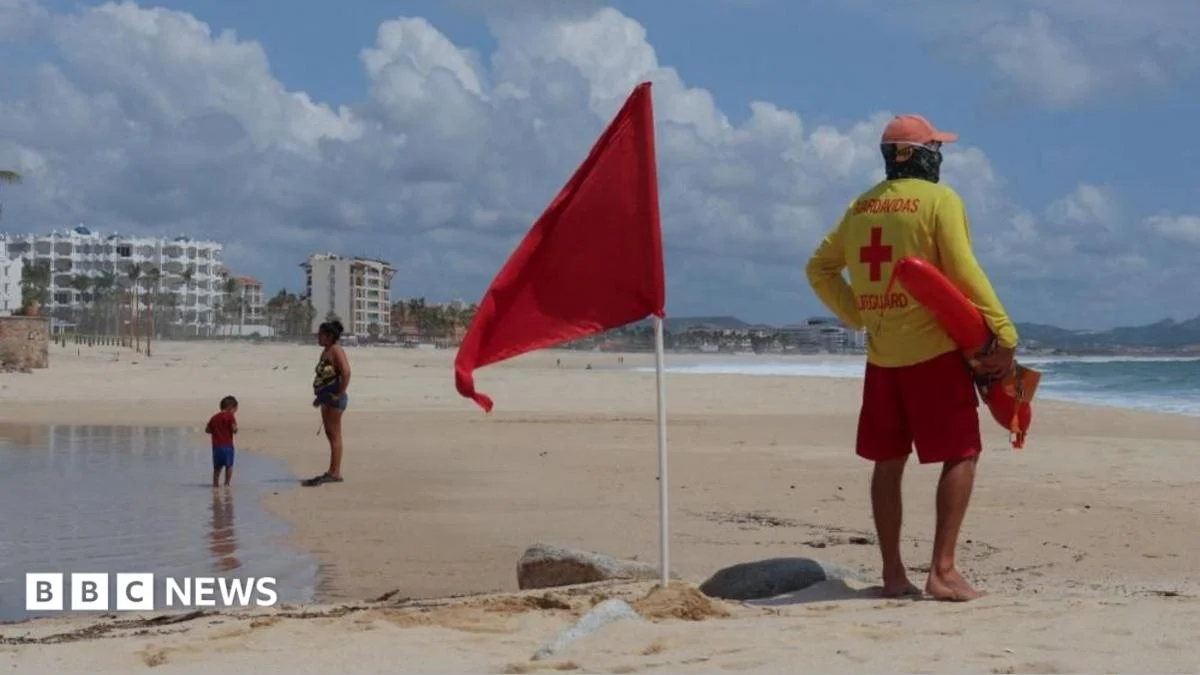
Mexico’s Pacific coast is preparing for Hurricane Polo, a category-four storm moving toward Baja California Sur. The intensifying system poses a direct threat to the northern Pacific coastal region of Mexico. According to BBC News, the storm’s approach has prompted officials in the affected state to brace for incoming weather conditions.
The category-four classification indicates Hurricane Polo carries maximum sustained winds of 130-156 mph, making it one of the stronger tropical cyclone categories. Such storms typically prompt evacuation orders, facility closures, and emergency response mobilizations in their projected path. Baja California Sur, located on Mexico’s northern Pacific coast, is the specific area currently in the storm’s trajectory. The region includes tourist destinations and communities along the peninsula that could face significant weather impacts.
Key Facts
- Hurricane Polo is a category-four storm.
- The storm is approaching Baja California Sur.
- Baja California Sur is on Mexico’s northern Pacific coast.
- Mexico’s Pacific coast is bracing for the storm’s arrival.
What Happens Next?
As Hurricane Polo continues its approach, residents and authorities in Baja California Sur and surrounding areas will likely monitor updates from meteorological services. Category-four hurricanes often trigger emergency protocols, including evacuation orders for coastal zones, closure of airports and schools, and activation of emergency shelters. The exact timing and intensity of the storm’s impact remain dependent on its track and any changes in strength. Forecasters typically issue watches and warnings as storms draw nearer, providing residents with critical lead time to secure property and relocate if necessary. Hurricane Polo‘s path will determine which communities face the most severe conditions. Coastal regions, particularly those on Mexico’s northern Pacific coast, remain on high alert. The storm’s category-four status underscores the potential for destructive winds and dangerous storm surge, prompting emergency preparations among local governments and residents.
Who Is Affected
The primary region affected by Hurricane Polo’s approach is Baja California Sur, a state situated on Mexico’s northern Pacific coast. This area includes both permanent residents and tourists who may need to evacuate or shelter in place. The broader Pacific coastline of Mexico could also experience secondary impacts, such as heavy rainfall and rough surf, even if the storm’s center remains offshore. Communities along the coast often rely on fishing, agriculture, and tourism, all of which can be disrupted by major weather events like Hurricane Polo. Emergency services and local governments in these areas typically coordinate with federal agencies to manage resources and public safety as the storm nears.
Meteorological agencies provide regular updates on the storm’s location, speed, and projected path. These details help authorities make decisions about evacuations, road closures, and resource deployment. The public is generally advised to avoid coastal areas, prepare emergency kits, and stay informed through official channels. As Hurricane Polo maintains its category-four strength, the risk level for affected regions remains high, emphasizing the importance of timely and accurate information.
How Did We Get Here
Hurricane Polo developed in the Pacific Ocean as a tropical disturbance that gradually organized into a named storm. Over time, favorable atmospheric conditions allowed the system to strengthen into a hurricane, eventually reaching category-four status on the Saffir-Simpson scale. The storm’s intensification reflects typical patterns in the eastern Pacific, where warm ocean waters fuel powerful tropical systems. Its current trajectory has placed Baja California Sur and Mexico’s northern Pacific coast in its projected path, prompting heightened awareness and preparation among residents and officials. Hurricane Polo now represents a major weather event requiring close monitoring as it advances toward landfall.
What We Know — and What We Don’t
Verified by the source:
- Hurricane Polo is a category-four storm.
- It is approaching Baja California Sur.
- Baja California Sur lies on Mexico’s northern Pacific coast.
Still unconfirmed:
- The exact timing of landfall.
- The current size and forward speed of the storm.
- Specific evacuation orders or emergency protocols issued.
- Projected rainfall totals or storm surge heights.
- Potential changes in the storm’s strength before impact.
Why It Matters
Hurricane Polo’s approach to Mexico’s northern Pacific coast highlights the vulnerability of coastal communities and critical infrastructure to severe tropical weather. Such storms can disrupt local economies, displace residents, and strain emergency response systems. For those in the affected regions, staying informed and following official guidance is essential for personal safety. This story also reflects broader climate-related risks that increasingly affect regions worldwide, underscoring the need for preparedness and resilient planning. As Hurricane Polo nears landfall, its impact will extend beyond immediate weather conditions, influencing recovery efforts and regional stability for weeks to come. Related coverage can be found in our war-geopolitics section.
What To Watch
Officials have yet to issue specific details on evacuation timelines and emergency responses. Hurricane Polo’s projected path and intensity will determine the full scope of its impact across Mexico’s Pacific coast. For further context, see our climate-environment archive. Hurricane Polo approaches Mexico’s northern Pacific coast as a category-four storm, with Baja California Sur in its projected path. Hurricane Polo remains under close monitoring as it nears Mexico’s northern Pacific coast.