Lede
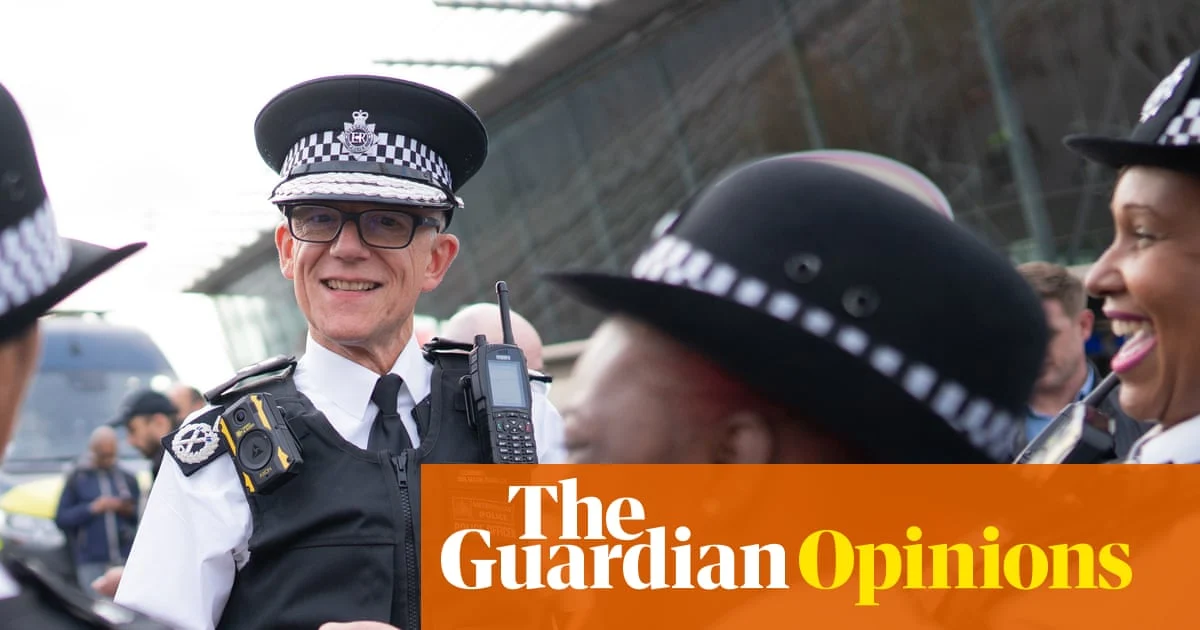
Metropolitan Police Commissioner Mark Rowley has pledged to increase the number of police officers of colour in the UK capital, despite ongoing culture war debates around diversity and inclusion initiatives.
In a statement published last week, Rowley emphasized that the push for greater representation within the force is not favouritism but fairness, and remains operationally necessary for effective policing by consent.
Key Facts
- Mark Rowley is commissioner of the Metropolitan Police.
- The Met launched a major recruitment campaign focused on underrepresented communities.
- Inclusion is described as an operational necessity, not political ideology.
- Recruiting more Black and Asian officers will not be halted by culture war pressures.
The Story
Why police officers of colour matter
Rowley argued that trust across all communities is essential to policing by consent, and that inclusivity plays a direct role in building such trust. He stated that the Metropolitan Police has no interest in the politics or ideologies of culture wars, but sees inclusion as a core requirement for public safety.
He acknowledged growing criticism surrounding diversity, equity, and inclusion efforts, including what he referred to as “toxicity” around DEI rhetoric. However, Rowley maintained that these external pressures will not alter the Met’s commitment to recruitment drives aimed at underrepresented groups.
What happens next?
The Metropolitan Police confirmed it launched a major recruitment campaign targeting underrepresented communities last Monday. While no specific targets or timelines were provided in the summary, the initiative signals renewed institutional focus on diversifying the force.
Further details about implementation strategies, outreach programs, or measurable goals are not included in the source material. The Met has not publicly disclosed whether new hires will be tracked separately under diversity metrics.
Observers may watch for additional statements from the commissioner’s office regarding partnerships with community organizations or school engagement initiatives as part of the broader recruitment effort.
How did we get here?
The push for increased representation follows years of scrutiny over systemic issues within British policing, particularly concerning race relations and public confidence. Campaigns like this often emerge amid calls for reform after high-profile incidents or inquiries into discriminatory practices.
Rowley’s stance reflects a strategic attempt to align the Met’s image with contemporary values while reinforcing its legitimacy among diverse populations. By framing inclusion as non-negotiable and operationally vital, the force aims to insulate future reforms from political backlash.
His remarks also come at a time when public discourse around identity, meritocracy, and institutional change remains deeply polarized both in the UK and internationally.
What We Know — and What We Don’t
Verified by the source:
- Mark Rowley is the commissioner of the Metropolitan Police.
- The force recently launched a major recruitment campaign prioritizing underrepresented communities.
- The campaign prioritizes inclusion as essential for operational effectiveness.
- Culture war criticism will not deter recruitment of Black and Asian officers.
Still unconfirmed:
- No specific numerical targets for new hires have been disclosed.
- The exact launch date of the recruitment campaign was not specified.
- Details about partnerships or outreach methods remain unknown.
Why It Matters
Diversity within law enforcement agencies affects community relations, procedural justice, and public trust. When police forces reflect the demographics they serve, it can enhance cooperation and reduce tensions, especially in areas where historical mistrust exists between minority groups and authority figures.
What To Watch
Future statements from the Metropolitan Police or updates to their official communications may clarify the scope and outcomes of this recruitment initiative.
Community responses, policy adjustments, or official metrics tracking progress in hiring police officers of colour could signal shifts in strategy or public reception.