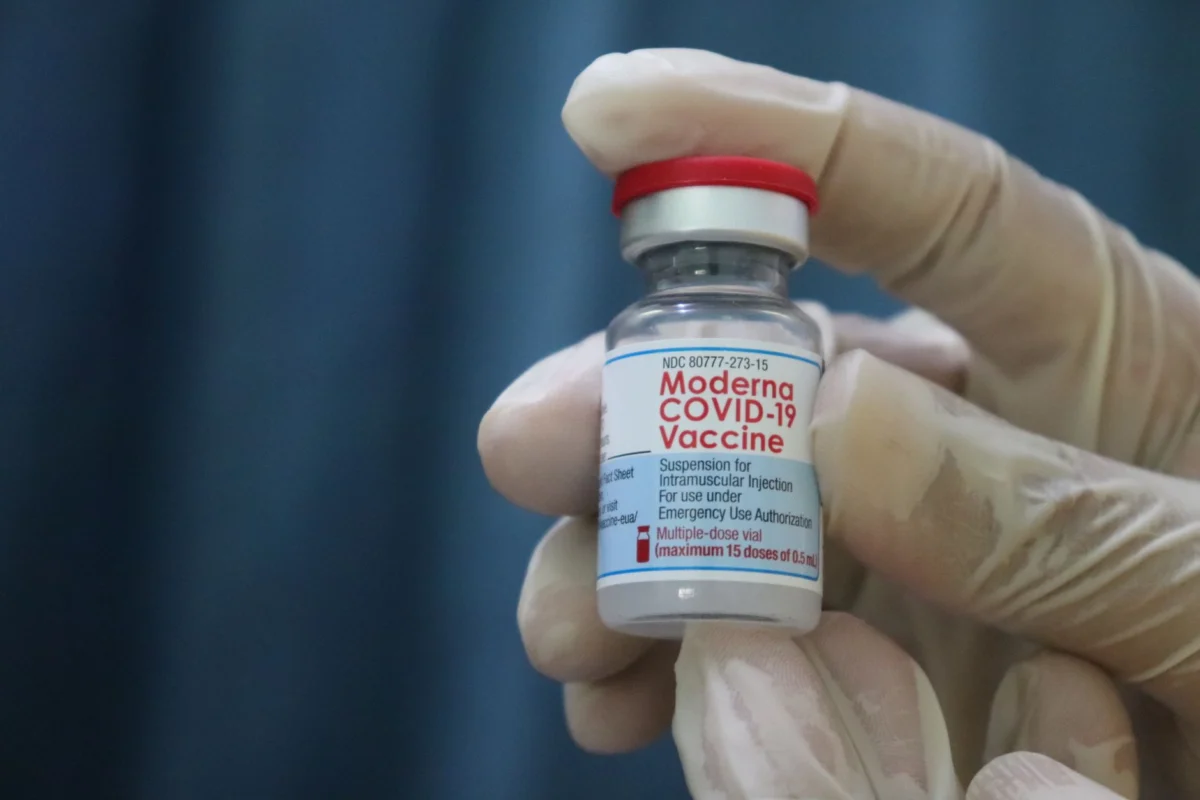
A cancer vaccine developed by Merck and Moderna reduced the risk of melanoma death or recurrence by more than 40%, according to a Reuters report. The finding stems from a clinical trial combining the Merck/Moderna vaccine with other treatments, though full study details remain limited.
The result aligns with earlier signals from mRNA-based cancer vaccine research, where personalized vaccines aim to train the immune system to recognize tumor-specific mutations. If confirmed in larger trials, the approach could expand beyond melanoma into other solid tumors.
Key Facts
- The Merck/Moderna cancer vaccine cut melanoma death or recurrence risk by over 40%.
- The study was reported by Reuters.
- The report appeared within the last 12 hours.
- No full clinical trial data or peer-reviewed publication was included in the summary.
- The vaccine was tested in combination with existing therapy, not as a standalone treatment.
How Did We Get Here?
The Merck/Moderna vaccine builds on years of mRNA research, the same technology behind Moderna’s COVID-19 shot. In cancer treatment, mRNA vaccines are designed to match neoantigens unique to a patient’s tumor. Early-stage trials have produced mixed results, with some showing immune activation but limited survival benefit. The reported 40% reduction suggests improved outcomes when combined with other immunotherapies.
Merck contributes its oncology expertise and Keytruda background, while Moderna brings mRNA manufacturing experience. Together, they aim to move the vaccine through Phase 3 trials if Phase 2 results hold up. Regulatory agencies like the FDA will require larger datasets before any approval decisions.
Who Is Affected?
Patients diagnosed with advanced melanoma currently face grim prognoses, despite recent advances in checkpoint inhibitors. Should the Merck/Moderna vaccine prove effective at scale, it could offer a new frontline option for patients whose cancers progress after standard care. Importantly, mRNA cancer vaccines are being tested across tumor types—including lung, kidney, and pancreatic cancers—so a melanoma win may accelerate broader development.
However, access and cost remain concerns. Personalized mRNA vaccines are costly to produce, requiring sequencing and custom synthesis per patient. Even if effective, widespread adoption depends on pricing and reimbursement decisions by insurers and government programs.
What We Know — and What We Don’t
Verified by the source:
- A 40%+ reduction in melanoma death or recurrence was observed in the reported trial.
- The study came from a collaboration between Merck and Moderna.
- The news was published by Reuters within the past 12 hours.
- The vaccine was tested alongside other cancer treatments.
Still unconfirmed:
- The total number of participants in the trial.
- Side effects or safety profile of the vaccine combination.
- Whether the data has undergone peer review.
- Potential approval timelines or regulatory submissions.
Why It Matters
Cancer vaccines represent one of the most promising frontiers in precision medicine. A signal as strong as 40% reduction in recurrence would mark meaningful progress against melanoma, a disease historically resistant to therapy. Broader success could shift treatment paradigms globally.
What To Watch
Follow-up reports may confirm trial size, safety data, and plans for regulatory submission to the FDA. Longer-term survival data will determine whether the early benefit holds across diverse populations.