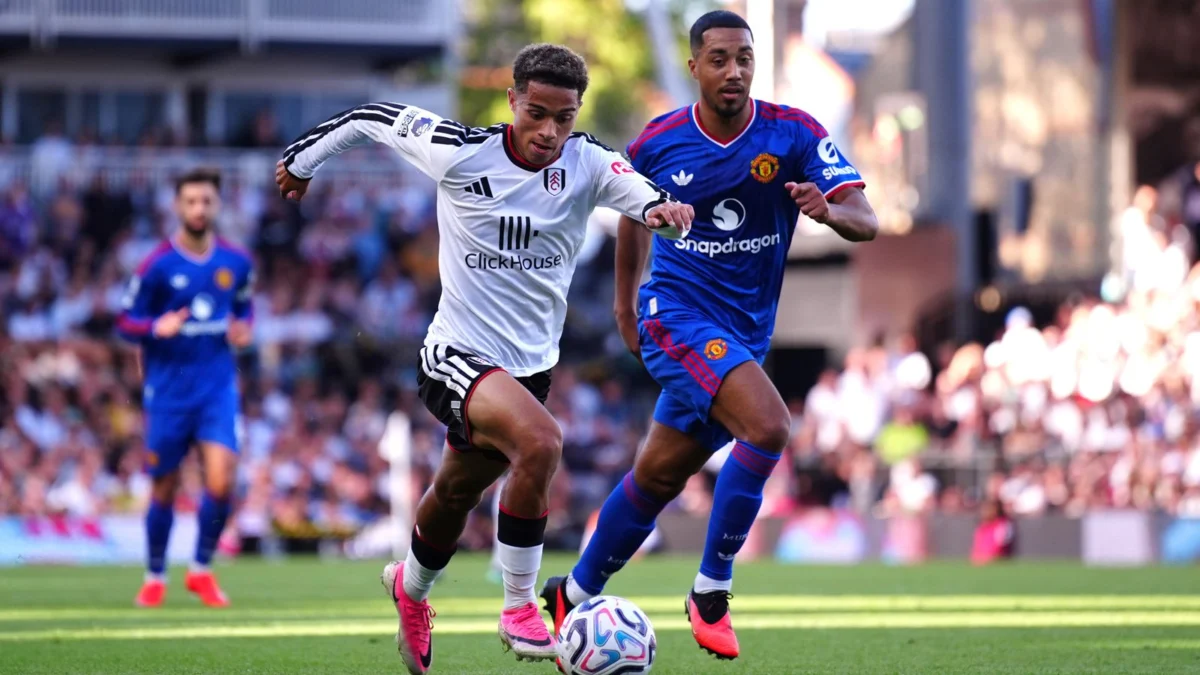
Running stats for Manchester United are under fresh examination after their 1-1 draw at Fulham in the Premier League, where the team’s intensity levels were publicly questioned. The scrutiny follows criticism over how much ground the players covered during the match, reigniting debate about tactics and effort under the current management.
The draw against Fulham marked another moment where United’s physical output has been dissected, particularly in relation to broader concerns about intensity. Running data is often used as a proxy for effort and fitness, making it a frequent topic of discussion in modern football analysis. For a high-profile club like Manchester United, such metrics attract significant attention from fans, pundits, and media outlets alike.
KEY FACTS
- Running stats: Manchester United’s running stats were examined after their draw at Fulham.
- Premier League fixture: The match was a Premier League game that ended in a 1-1 draw.
- Opposition: Fulham was the opposing team in the match.
- Criticism: Intensity levels were criticized following the result.
- Source: Details emerged via a report by SkySports News.
What Exactly Are Running Stats?
Running stats in football refer to the total distance covered and high-intensity running distances recorded by players during a match, typically tracked using GPS and sensor technology. These figures are compiled by analytical companies and shared with clubs, broadcasters, and media outlets. In elite football, teams aim to maintain strong running outputs as indicators of fitness, tactical discipline, and match control. Lower-than-expected running totals can suggest a lack of pressing, passive gameplay, or fatigue issues. Because these stats are objective and quantifiable, they are widely cited in post-match analysis and fan discussions. For a globally followed club like Manchester United, deviations from expected physical benchmarks often invite immediate reaction, especially when results do not meet expectations.
How Did We Get Here?
Manchester United’s ongoing struggles with consistency and intensity have placed increasing pressure on their coaching staff and playing squad. The draw at Fulham added fuel to existing narratives questioning whether the team is physically and mentally prepared to compete at the highest level. Running stats provide concrete evidence supporting or challenging claims about a team’s performance, and United’s numbers have reportedly fallen short of benchmarks in recent outings. SkySports News examined these metrics in detail, contributing to a wider conversation about the club’s trajectory. As matches continue to produce mixed outcomes, statistical analysis becomes a key tool for identifying patterns and informing strategic adjustments.
Who Is Affected by This Scrutiny?
The increased focus on running stats affects multiple stakeholders connected to Manchester United. Fans express frustration when performance metrics appear below standard, often directing criticism toward the manager and players. Media outlets amplify these discussions, shaping public perception and club reputation. Coaches and analysts use such data internally to refine training methods and tactical approaches. Meanwhile, players may face added pressure knowing their physical contributions are being measured closely. For the club itself, consistent underperformance invites scrutiny from investors and board members who expect competitive results. This environment makes running stats not just a technical detail but a significant factor influencing decisions across all levels of the organization.
WHAT WE KNOW & WHAT WE DON’T
Verified by the source:
- Running stats for Manchester United were examined following their 1-1 draw at Fulham.
- Intensity levels became a point of criticism after the match.
- The analysis was reported by SkySports News.
Still unconfirmed:
- Specific running distances or comparative figures from the match.
- Exact comments or quotes from coaches or officials.
- Whether any formal response has been issued by the club.
- Dates or timestamps of when the stats were reviewed.
WHY IT MATTERS
Football analytics play an increasingly central role in evaluating team performance, and running stats serve as a widely recognized indicator of effort and tactical execution. For a club with Manchester United’s global stature and history, maintaining strong physical benchmarks reflects professionalism and competitiveness. When those metrics fall short, especially in visible defeats or draws, it reinforces concerns among supporters and critics alike. Such scrutiny contributes to broader conversations around leadership, preparation, and long-term direction within the club.
WHAT TO WATCH
Future Manchester United matches will likely prompt further analysis of their running stats and intensity levels. SkySports News has yet to publish additional breakdowns, but continued underwhelming performances could intensify media and fan focus on physical metrics as benchmarks for improvement.
Find more updates in our sports news section or explore related coverage in football analysis.