LEDE
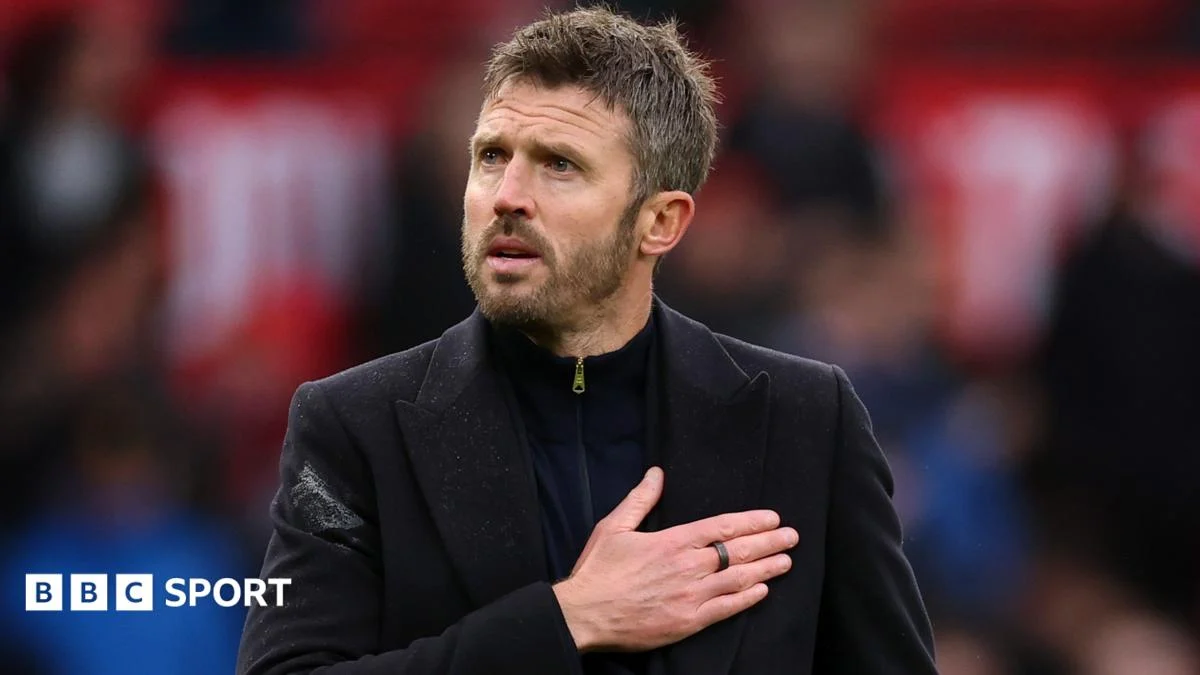
In a dramatic 48-hour span, Manchester United decision-makers chose to retain Michael Carrick as head coach, BBC Sport reports. The club faced mounting scrutiny and uncertainty, yet ultimately stood by Carrick ahead of Saturday’s trip to Chelsea. This sequence of events underscores how volatile leadership decisions can become under pressure.
Panic and speculation swept through Old Trafford as rumors swirled about Carrick’s future. Yet by the end of the chaotic window, the club confirmed its backing of the under-fire manager for the upcoming fixture.
KEY FACTS
• Manchester United decided to keep Michael Carrick as head coach.
• The decision came after a turbulent 48-hour period at Old Trafford.
• Carrick was under pressure ahead of the club’s trip to Chelsea.
• BBC Sport analyzed the events leading to the club’s final choice.
THE STORY
Why the sudden turmoil?
Over two days, media outlets and fans alike questioned whether Carrick would survive in his role. The club’s silence during this window fueled speculation, while internal discussions reportedly grew tense. Ultimately, the board moved to stabilize the situation by publicly affirming support for Carrick.
Who is affected?
Carrick, the players, and supporters all felt the fallout from these uncertain hours. For the manager, the extension offered temporary relief but left questions about long-term backing unanswered. Meanwhile, the squad must now prepare for Chelsea without distraction over leadership issues.
Where do things stand now?
As Saturday approaches, attention turns to how well United performs under Carrick’s renewed mandate. Should results falter again, scrutiny may return swiftly. For now, though, stability appears restored — if only briefly.
WHAT WE KNOW — AND WHAT WE DON’T
Verified by the source:
• Manchester United kept Michael Carrick as head coach
• The decision followed 48 hours of instability
• Carrick faced pressure ahead of the Chelsea match
Still unconfirmed:
• Exact reasons behind the delay in announcing Carrick’s retention
• Whether new conditions were tied to his continued tenure
• Internal reactions from players or staff during the crisis
WHY IT MATTERS
Leadership volatility affects team morale, performance, and fan trust. Clubs that manage transitions smoothly tend to fare better than those caught in cycles of uncertainty. This moment reflects broader challenges facing modern football clubs navigating high-stakes environments.
WHAT TO WATCH
How Manchester United fares against Chelsea will shape whether Carrick’s brief reprieve becomes permanent. Any further setbacks could reopen debates about his position.