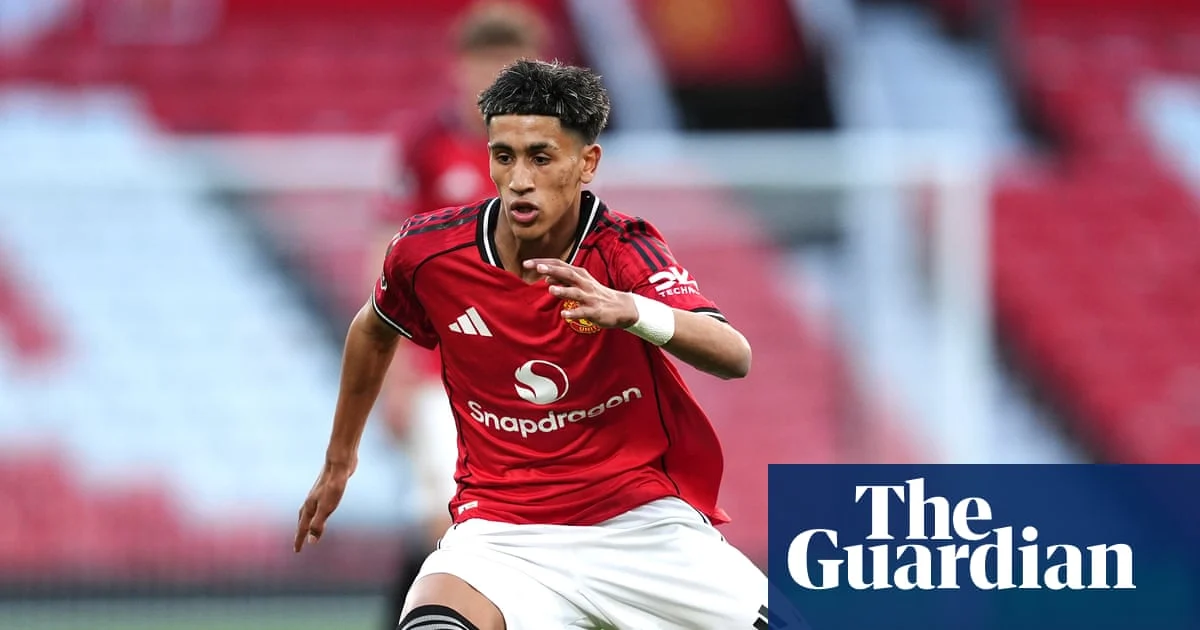
Manchester United have offered JJ Gabriel a new scholarship contract, yet the 16-year-old forward is still expected to leave the club for a European rival for as little as £350,000 in compensation.
The situation escalated after Gabriel requested his registration be cancelled last month, triggering interest from several top European clubs. Despite the fresh offer, sources indicate he is almost certain to depart, raising concerns over the low compensation fee available under FIFA regulations for transfers involving players under scholarship age.
KEY FACTS
- JJ Gabriel is a 16-year-old forward at Manchester United.
- The player is almost certain to leave the club despite a new offer.
- Compensation for a move to a European rival may be as low as £350,000.
- Gabriel requested his registration be cancelled last month.
- Manchester United submitted an official scholarship contract offer.
The Offer and Its Limitations
Manchester United officially extended a scholarship contract to JJ Gabriel this week, hoping to secure his long-term future at Old Trafford. However, the gesture appears insufficient to retain the young talent, who has already expressed a desire to explore opportunities elsewhere.
Scholarship contracts typically bind players until the age of 18, but regulatory loopholes allow minors to cancel their registration under specific conditions. Once registered with a new club, compensation becomes payable to the outgoing team—often determined by FIFA’s Transfer Matching System or arbitration panels, which tend to favor lower fees for younger players.
Why the Fee May Be So Low
Under current FIFA rules, compensation for players under 18 moving between clubs in different countries is capped based on age and development factors. For a 16-year-old, this can result in minimal payouts compared to senior-level transfers, where market value drives negotiations.
This dynamic gives European giants like Real Madrid, Barcelona, Bayern Munich, and others considerable leverage when pursuing British teenagers. If Gabriel joins such a club, United could receive only a fraction of what a developed academy product might command later—a risk that underscores ongoing debates about youth recruitment ethics in global football.
What Happens Next?
It remains unclear whether Gabriel will formally sign with another club or continue negotiations beyond Manchester United’s renewed approach. His representatives have not disclosed any shortlist of interested parties, though speculation continues across European leagues.
Should he commit to a new club before turning 18, an independent panel will determine final compensation terms. That process often favors the buying club due to age-based caps, leaving selling clubs like United with limited recourse unless they delay approval beyond permitted windows.
WHAT WE KNOW — AND WHAT WE DON’T
Verified by the source:
- Manchester United offered JJ Gabriel a new scholarship deal.
- Gabriel requested cancellation of his registration last month.
- He is described as almost certain to leave the club.
- Potential compensation for a European move is estimated at £350,000.
Still unconfirmed:
- Which European clubs are actively pursuing Gabriel.
- Whether Gabriel intends to sign with any particular club.
- Exact terms of the scholarship contract offered.
- Timeline for a potential transfer decision.
Why It Matters
The case highlights growing tensions around the recruitment of teenage athletes in international soccer. As top European clubs increasingly target promising British youth, traditional powerhouses like Manchester United face mounting pressure to adapt their retention strategies amid shifting regulatory frameworks.
For fans and analysts alike, stories like Gabriel’s reflect broader questions about player development, loyalty, and the commercialization of youth athletics in modern sport—an evolving narrative closely watched across both domestic and continental competitions.
What to Watch
All eyes now turn to whether Gabriel finalizes a move abroad or accepts United’s updated proposal. Updates are expected soon regarding his representative’s next steps and which clubs remain in contention.
Football authorities may also revisit compensation structures amid rising scrutiny over how fairly young talents are valued during cross-border transitions.