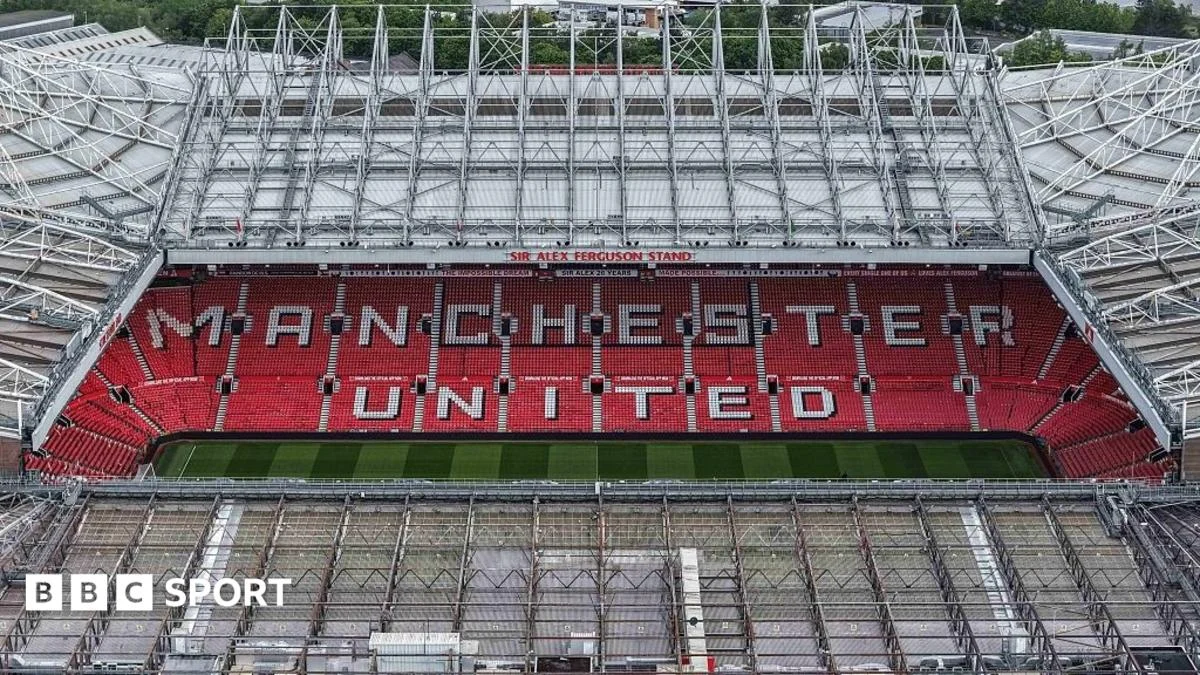
Manchester United confirmed it has borrowed another £90 million since 30 June, increasing its total debt to more than £1.1 billion.
The latest borrowing adds to a growing financial burden on the Premier League club, underscoring ongoing concerns about its capital structure and long-term sustainability.
KEY FACTS
- Manchester United borrowed £90 million since 30 June.
- The club’s overall debt now exceeds £1.1 billion.
THE STORY
How did we get here?
Manchester United’s debt has been a recurring theme for years, stemming from leveraged buyouts and previous financing arrangements. The club’s ownership structure has historically relied on borrowing, contributing to a cycle where debt accumulates faster than operating cash flow can reduce it.
The most recent £90 million loan, confirmed since the end of June, increases the club’s liabilities to over £1.1 billion. This figure reflects both historical obligations and new financing decisions made in recent months.
Fans and financial analysts have raised questions about whether the current revenue streams—including broadcasting deals, commercial partnerships, and matchday income—are sufficient to service such a large debt load without compromising investment in players and infrastructure.
What happens next?
While BBC Sport reported the updated debt figures, it did not specify the purpose of the latest £90 million loan or the identity of the lender. It remains unclear whether the funds were used for operational costs, player transfers, or refinancing existing obligations.
The Glazer family, which owns Manchester United, has previously used dividends and asset-based loans to manage personal and club finances. Whether this new borrowing follows a similar pattern or represents a shift in strategy will likely be watched closely by stakeholders.
No official statement from the club clarified how the additional debt impacts future financial planning. However, with UEFA Financial Sustainability regulations tightening across European football, Manchester United’s mounting liabilities could come under greater scrutiny.
Interest payments on large debt portfolios can strain even well-resourced clubs. As Manchester United debt levels rise, attention will turn to whether revenue growth and cost controls can keep pace.
WHAT WE KNOW — AND WHAT WE DON’T
Verified by the source:
- Manchester United borrowed £90 million since 30 June.
- Total club debt now stands above £1.1 billion.
Still unconfirmed:
- The purpose of the £90 million loan.
- The identity of the lender or financing institution.
- Any planned use of funds for transfers or operations.
- Impact of debt on upcoming transfer activity or squad investment.
WHY IT MATTERS
In an era of increasingly strict financial oversight in European football, Manchester United’s rising debt raises questions about sustainability, competitive balance, and the long-term health of one of the sport’s most valuable franchises.
WHAT TO WATCH
Further clarity may emerge in upcoming financial disclosures or official communications from the club. Analysts expect continued focus on how Manchester United manages its debt alongside its ambitions on the pitch.