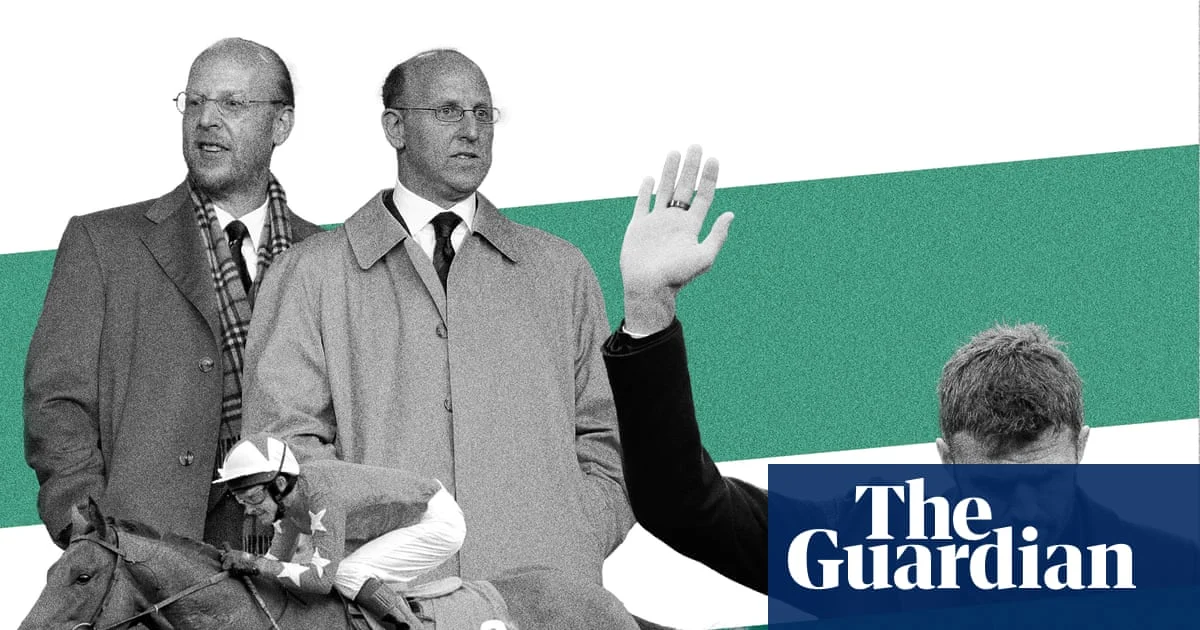
Manchester United’s struggles have intensified following a damaging 3-0 home defeat to Bournemouth, the latest sign that the club’s downward trajectory shows no immediate end. The loss, coming on the back of a 4-1 reverse against Como, has reignited scrutiny over the appointment of Michael Carrick as permanent manager and broader governance issues.
The fallout reflects deeper concerns about decision-making at the highest levels of the club, including the roles of senior executives and minority stakeholders. As autumn brings another crisis at Old Trafford, fans and analysts alike are questioning whether changing managers alone can reverse the decline.
Key Facts:
- Manchester United suffered a 3-0 home defeat to Bournemouth.
- The club also lost 4-1 to Como the previous week.
- Michael Carrick was appointed manager on a permanent basis.
- Sir Jim Ratcliffe holds responsibility for sporting operations.
- The Glazer family acquired the club in 2005 via a leveraged buyout.
Who Is Affected by the Current Crisis?
The immediate focus falls on Michael Carrick, whose permanent appointment as manager has come under fire following consecutive defeats. Critics question whether he is the right figure to lead the team forward, especially amid growing skepticism about the club’s leadership structure.
Wider implications extend across the organization. The director of football, chief executive, and minority shareholder Sir Jim Ratcliffe all feature in discussions about accountability. Meanwhile, the Glazer family, who purchased the club in 2005 using debt financing, continue to face criticism for what many view as a prolonged period of mismanagement that has diminished United’s standing in English football.
What Happens Next for Manchester United?
Speculation is mounting that the club may be preparing to part ways with its current manager, continuing a familiar pattern of short-lived tenures over the past 13 years. However, some observers argue that repeatedly changing managers fails to address systemic flaws within the organization.
Attention is turning to those responsible for appointments, including the director of football and the chief executive. Whether senior figures such as Sir Jim Ratcliffe or members of the Glazer family will face renewed pressure remains uncertain. For now, the club appears caught in a cycle where tactical adjustments are overshadowed by structural challenges.
What We Know — and What We Don’t
Verified by the source:
- Manchester United lost 3-0 at home to Bournemouth.
- The team previously lost 4-1 to Como.
- Michael Carrick serves as manager.
- Sir Jim Ratcliffe oversees sporting operations.
- The Glazer family bought the club in 2005.
Still unconfirmed:
- Exact timing or certainty of any managerial change.
- Internal dynamics influencing future decisions.
- Financial details regarding the club’s debt or spending plans.
Why It Matters
The ongoing struggles of Manchester United reflect broader themes in modern football, where commercial interests and governance often clash with competitive ambition. With one of the largest global followings in world sport, the club’s decline influences conversations about ownership models, executive accountability, and the sustainability of success in elite European football.
What To Watch
Upcoming fixtures and board-level discussions may determine whether Manchester United opts for another managerial change or pursues reforms aimed at addressing long-standing structural issues.
Manchester United faces mounting scrutiny after recent defeats, with questions swirling over leadership decisions and the path ahead.
Related Coverage
Explore more stories in our sports section or follow developments in global football.