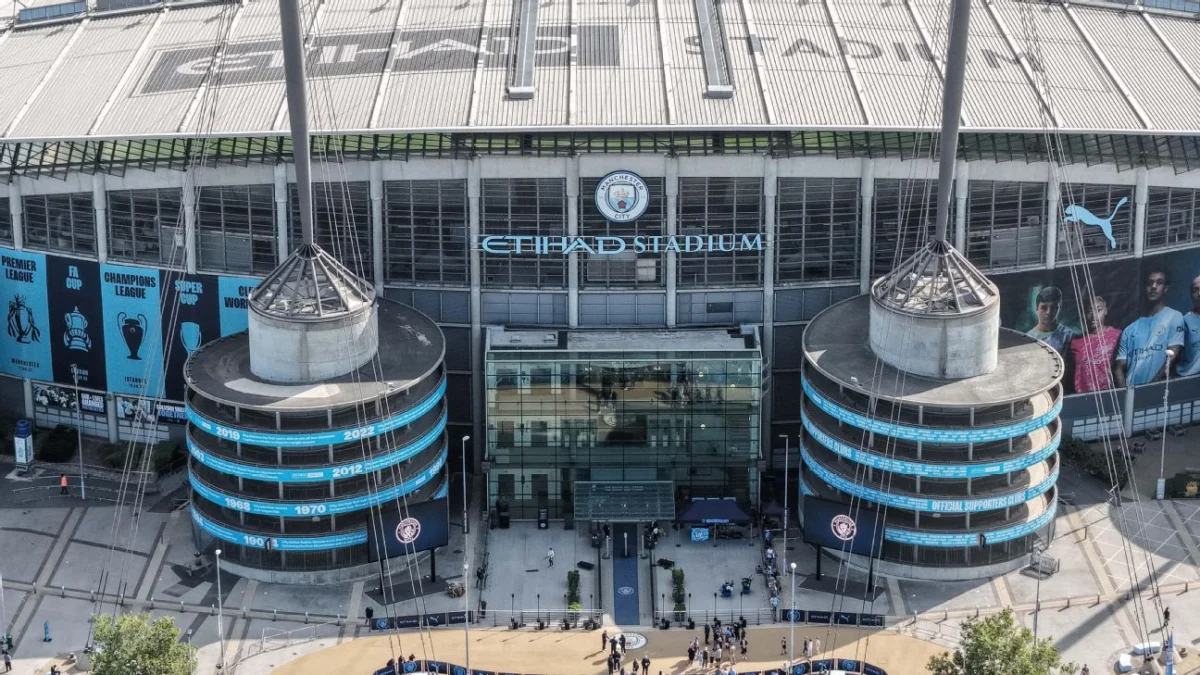
MANCHESTER, England — Manchester City were found guilty by the Premier League on Tuesday over more than 100 breaches of financial regulations, sending shockwaves through English football and leaving the club’s next steps uncertain.
The verdict confirms long-running scrutiny into the club’s financial practices, though the specific consequences and timeline for appeals remain unclear. The ruling marks one of the most significant disciplinary decisions in Premier League history.
KEY FACTS
- Subject: Manchester City found guilty by the Premier League.
- Violations: Over 100 breaches of financial regulations confirmed.
- Date: Verdict delivered on Tuesday.
- Impact: Decision has caused widespread reaction across football.
What Happens Next?
The immediate question facing Manchester City is how the club will move forward following the guilty verdict. The Premier League has not yet specified the exact penalties tied to the more than 100 breaches, and it remains unknown whether points deductions, fines, or transfer restrictions will be imposed. Legal teams for the club are expected to review the full findings before deciding on potential appeals.
Historically, major financial violations in top-flight European football have led to multi-year sanctions, though each case is evaluated individually. The Premier League’s independent commission process means that any appeals could take several months, during which time the club’s competitive status may remain in limbo.
Other clubs and governing bodies are also watching closely, as the outcome could set precedent for how financial regulations are enforced across the sport. The broader implications extend beyond a single team, affecting sponsorship deals, broadcast agreements, and investor confidence in the league itself.
Who Is Affected?
Beyond the players and staff at Manchester City, the verdict impacts several key stakeholders. Fans are left grappling with uncertainty about their club’s standing, while sponsors and commercial partners face potential reputational risks tied to association with a sanctioned entity.
Investors in the Premier League may reassess valuation models given the severity of the findings, and rival clubs could gain competitive advantage if penalties are applied during active seasons. Additionally, international federations like UEFA may revisit their own Financial Sustainability Regulations in light of domestic precedents.
Governments and regulatory bodies monitoring sports governance will likely increase scrutiny on transparency reporting requirements for publicly owned venues and publicly traded clubs. These changes could ripple through labor markets, influencing player salaries and recruitment strategies league-wide.
How Did We Get Here?
The path leading to this moment began years ago when questions first emerged regarding related-party transactions involving Manchester City. Investigators reportedly examined thousands of documents detailing sponsorship agreements, transfer fee structures, and third-party ownership arrangements linked to the club’s Etihad Campus operations.
Concerns centered around whether certain payments accurately reflected market values—an issue critical under both domestic and European financial frameworks. While UEFA previously imposed its own sanctions in 2018, today’s decision represents the most comprehensive review conducted solely by English authorities.
These investigations relied heavily on testimony from former employees and leaked correspondence obtained via court-ordered disclosures. The complexity of modern football finance makes such cases inherently difficult to resolve quickly or cleanly, especially when global networks intersect with local rules.
WHAT WE KNOW — AND WHAT WE DON’T
Verified by the source:
- Manchester City were found guilty by the Premier League.
- More than 100 breaches of financial regulations were identified.
- The verdict was confirmed on Tuesday.
Still unconfirmed:
- Exact penalties or sanctions to be imposed.
- Whether an appeal process has been initiated.
- Timeline for implementation of any measures.
- Specific details of the breaches investigated.
WHY IT MATTERS
This case reflects growing pressure on elite football organizations to maintain strict fiscal discipline amidst rising revenues and increasing commercialization. As leagues worldwide grapple with balancing competitiveness and accountability, decisions like these signal evolving expectations around integrity in professional sports administration.
WHAT TO WATCH
All eyes now turn to official announcements from the Premier League detailing penalties and next steps, which insiders suggest may come within days. For ongoing coverage, follow our latest updates in the sports and economy and markets sections.