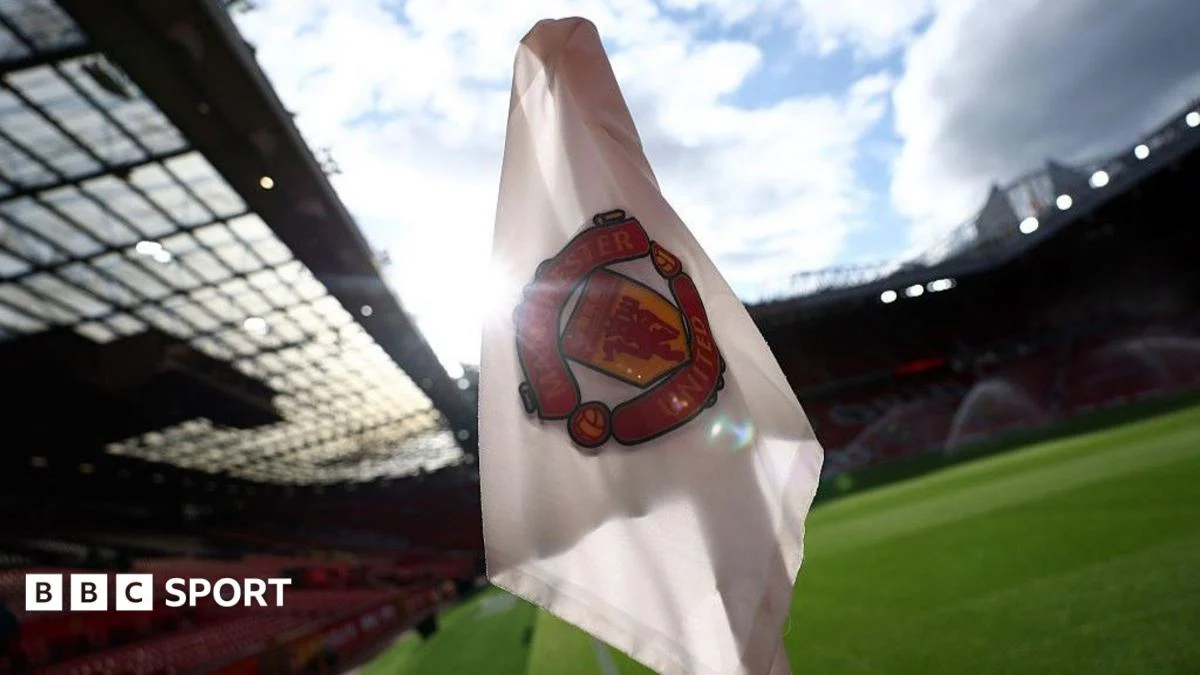
Lede: Manchester United continues to carry debt exceeding £1bn, even after Sir Jim Ratcliffe implemented wide-ranging cost-cutting measures across the club. The debt figure remains unchanged despite efforts to reduce expenses, highlighting the financial challenges still facing the organization. At the same time, United has confirmed spending £63.5m on land acquisition for its planned new stadium, signaling ongoing investment in infrastructure.
Key Facts
- Manchester United’s overall debt remains over £1bn.
- Sir Jim Ratcliffe introduced extensive cost-cutting measures.
- The club confirmed spending £63.5m on new stadium land.
What Do the Debt Figures Mean?
The persistence of debt above £1bn suggests that cost-cutting alone has not reduced the club’s overall financial obligations. While specific details about which areas were targeted by cost-cutting measures are not provided in the source, the unchanged debt total indicates either a focus on operational savings rather than debt repayment or that reductions have been offset by other expenditures such as the land purchase for the new stadium.
For a general reader, large debt figures for major football clubs are not uncommon, often tied to past ownership deals, interest payments, and financing arrangements. However, the fact that cost-cutting efforts by a new owner have yet to lower the total debt underscores how deeply embedded these financial commitments can be.
How Did We Get Here?
Manchester United’s modern financial structure has long been shaped by leveraged buyouts and financing decisions made under previous ownership. These arrangements often result in significant debt loads that persist regardless of current operating performance or management changes. Recent reports indicate that Sir Jim Ratcliffe, as the new owner, has prioritized cost-cutting across departments, including player wages and backroom staffing.
The decision to allocate £63.5m toward land for a new stadium shows a dual approach: reducing short-term expenses while making long-term capital investments. This strategy reflects common practices among elite football clubs seeking to modernize facilities to boost revenue through matchday income, events, and commercial partnerships.
What Happens Next?
Future reporting will likely clarify whether additional rounds of cost-cutting are planned or if the club intends to use incoming revenue streams to chip away at the debt load. Analysts may also watch for clarity on the timeline and scope of the new stadium project, including total costs beyond the initial land purchase.
If further reductions in operational spending occur, they might eventually show an impact on the debt total—but only if those savings are redirected toward principal repayment rather than reinvested elsewhere. Conversely, any major transfer activity or unexpected liabilities could push the debt higher.
What We Know — and What We Don’t
Verified by the source:
- Manchester United’s debt remains over £1bn.
- Sir Jim Ratcliffe introduced extensive cost-cutting measures.
- £63.5m was spent on land for a new stadium.
Still unconfirmed:
- The exact components or departments affected by cost-cutting.
- Whether any portion of cost savings went toward debt reduction.
- Total projected cost of the new stadium development.
- Timeline for opening the new stadium or refinancing the debt.
Why It Matters
High levels of debt affect any organization’s flexibility, including football clubs that rely heavily on access to capital markets for transfers and infrastructure projects. For fans and stakeholders, persistent debt raises questions about sustainability and whether profitability can coexist with competitive investment in players and facilities.
This dynamic ties into broader trends in global football, where financial health often determines a club’s ability to compete internationally and maintain long-term stability.
What To Watch
Further updates on debt reduction initiatives and progress on the new stadium development will determine whether Manchester United’s financial trajectory improves. Reports on upcoming transfer spending limits or refinancing options could also provide insight into how the club manages its obligations moving forward.