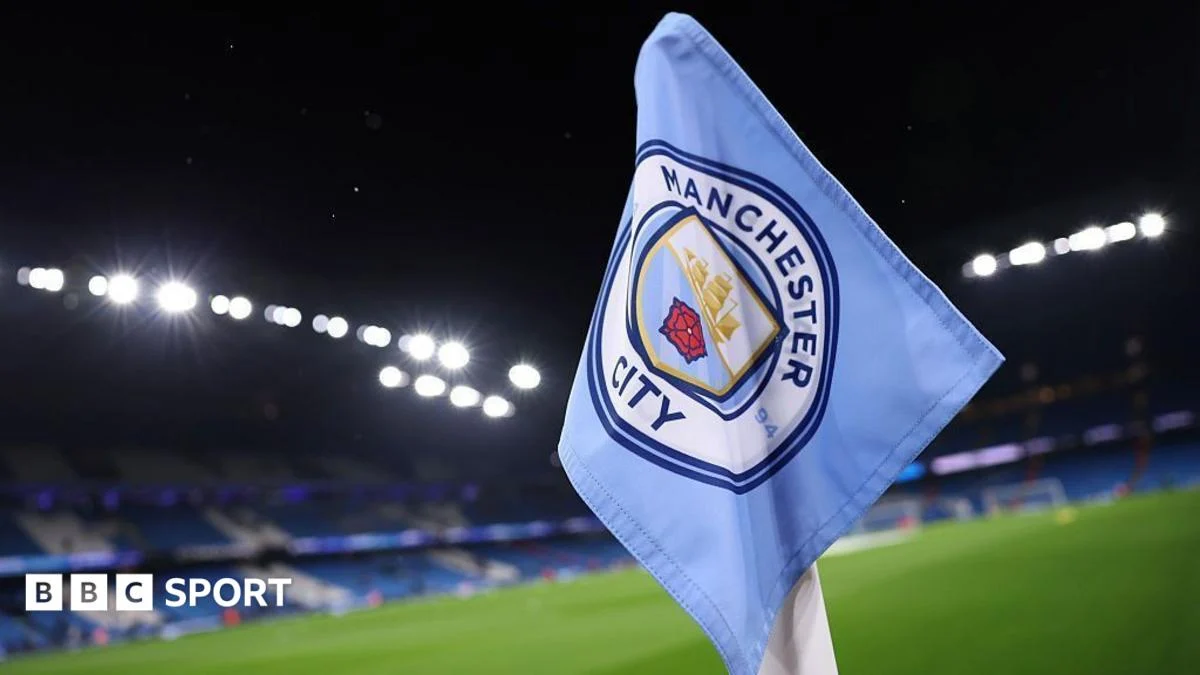
Manchester City has been found guilty of all charges related to breaches of Premier League financial rules between 2009-10 and 2017-18, according to the Premier League.
The governing body confirmed the club used what it described as “sham” contracts and engaged in misleading accounting practices during the period in question.
Key Facts
- The Premier League found Manchester City guilty of breaching financial rules between 2009-10 and 2017-18.
- City were found guilty of using “sham” contracts, the league said.
- Charges included misleading accounts, according to the announcement.
- All formal charges brought by the Premier League were upheld.
- The breaches span a period from 2009-10 to 2017-18.
What Rules Were Broken?
The Premier League operates under a set of financial sustainability rules designed to ensure clubs operate responsibly and do not spend beyond their means.
These regulations include requirements for accurate financial reporting, transfer spending controls, and restrictions on related-party transactions.
The league stated that Manchester City violated these rules through a series of related-party deals that it characterized as lacking genuine commercial purpose.
How Did We Get Here?
The investigation began after concerns were raised about the nature of several sponsorship and transfer deals involving Manchester City.
Regulatory scrutiny intensified as questions emerged over whether transactions were structured primarily to inflate revenue figures rather than reflect legitimate business activity.
Over time, multiple formal charges were filed by the Premier League, culminating in a hearing where evidence was reviewed against the club.
What We Know — and What We Don’t
Verified by the source:
- The Premier League announced findings of guilt on charges of financial rule breaches.
- The timeframe cited is between 2009-10 and 2017-18.
- Contracts described as “sham” were part of the violations.
- Manchester City was found guilty on all counts brought forward.
Still unconfirmed:
- Exact penalties or sanctions to be imposed.
- Whether further appeals are planned.
- Specific amounts involved in misleading accounts.
- Identities of individuals responsible within the club.
Why It Matters
This ruling could have major implications for how clubs structure financial arrangements, particularly around related-party dealings and transparency requirements.
It also raises broader questions about enforcement mechanisms in professional sports and whether current oversight frameworks adequately deter violations.
For fans and stakeholders alike, the decision underscores growing pressure on top-tier football organizations to maintain strict fiduciary standards amid increasingly complex commercial environments.
What To Watch
Upcoming announcements may detail any penalties or appeals processes initiated by either party following this outcome. Additional context might emerge depending on public reactions from other clubs or regulatory bodies across Europe.
Manchester City has previously faced scrutiny over similar issues; continued developments will likely shape future discussions surrounding fairness and accountability in elite soccer financing globally.