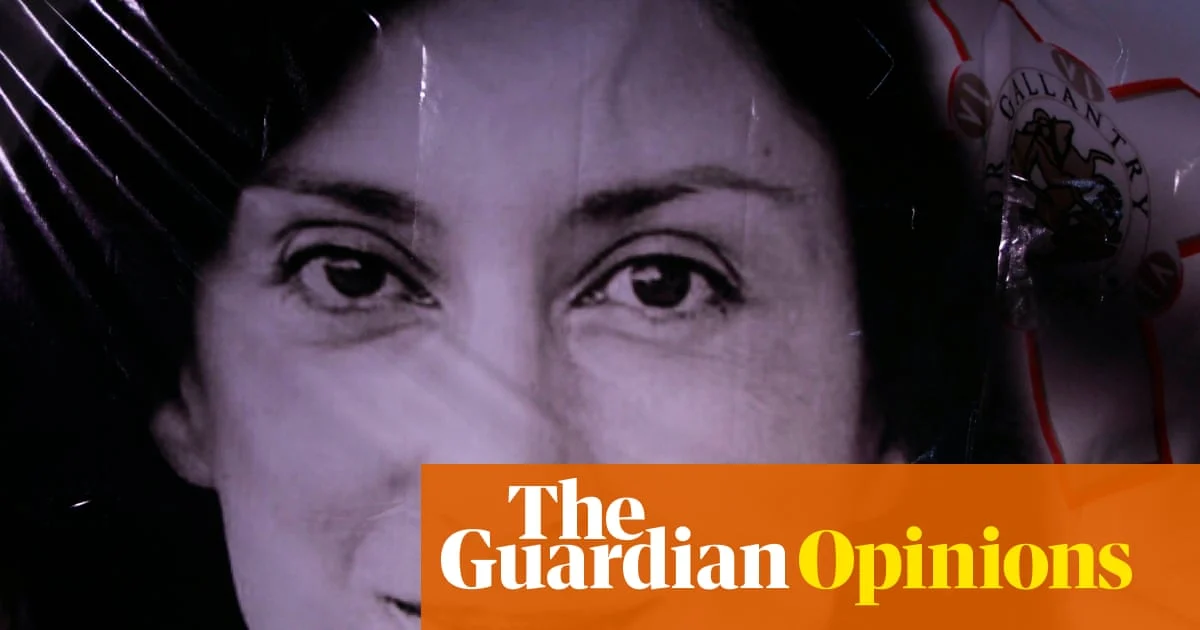
The acquittal of Yorgen Fenech, who was on trial in Malta for involvement in the murder of journalist Daphne Caruana Galizia, deals a blow to justice and press freedom efforts. Nine years after her car bombing death, the case appears increasingly unlikely to hold those who ordered it accountable.
The Guardian reports that Fenech admitted knowing about the murder beforehand and financing the middleman who paid the killers. His acquittal on lesser charges follows another high-profile failure to convict killers of journalist Lyra McKee in Northern Ireland, creating a pattern of impunity.
Key Facts
- Yorgen Fenech was acquitted in Malta for involvement in Daphne Caruana Galizia’s 2017 murder
- Fenech admitted knowing about the murder beforehand and financing the middleman
- Caruana Galizia was killed by a car bomb, a method typically seen in war zones
- The acquittal follows another failed prosecution in Lyra McKee’s murder case
- Both cases show difficulty securing convictions for killing journalists
Why these cases matter
According to The Guardian, the Malta acquittal represents a broader threat to press freedom. Journalist murders often go unpunished worldwide, but these cases occurred in EU member states with established legal systems. The brazen nature of Caruana Galizia’s car bombing in particular signals that even democratic nations aren’t immune to violent suppression of investigative journalism.
What challenges remain?
The difficulty convicting those who order journalist murders – rather than just the direct perpetrators – appears systemic. Prosecutors struggle to connect financiers and masterminds to crimes, despite circumstantial evidence like Fenech’s admitted knowledge of the plot. The Guardian notes this creates a climate where powerful figures may believe they can eliminate critical reporters without consequence.
What We Know — and What We Don’t
Verified by the source:
- Fenech was acquitted despite admitting prior knowledge of the murder plot
- Two recent high-profile journalist murder cases failed to secure convictions
- Caruana Galizia’s killing involved unusual violence for a democratic country
Still unconfirmed:
- Whether appeals or new evidence might emerge in either case
- The exact connections between Fenech and the murder’s alleged masterminds
- Why prosecutors couldn’t convert Fenech’s admissions into a conviction
Why It Matters
These cases demonstrate how legal systems struggle to protect press freedom when journalists challenge powerful interests. Without accountability for killings, critical reporting becomes increasingly dangerous – especially on corruption and organized crime stories that Caruana Galizia specialized in.
What To Watch
International press freedom organizations will likely renew calls for EU action on journalist protections. Meanwhile, the pattern of unresolved cases may deter investigative reporting in high-risk environments.