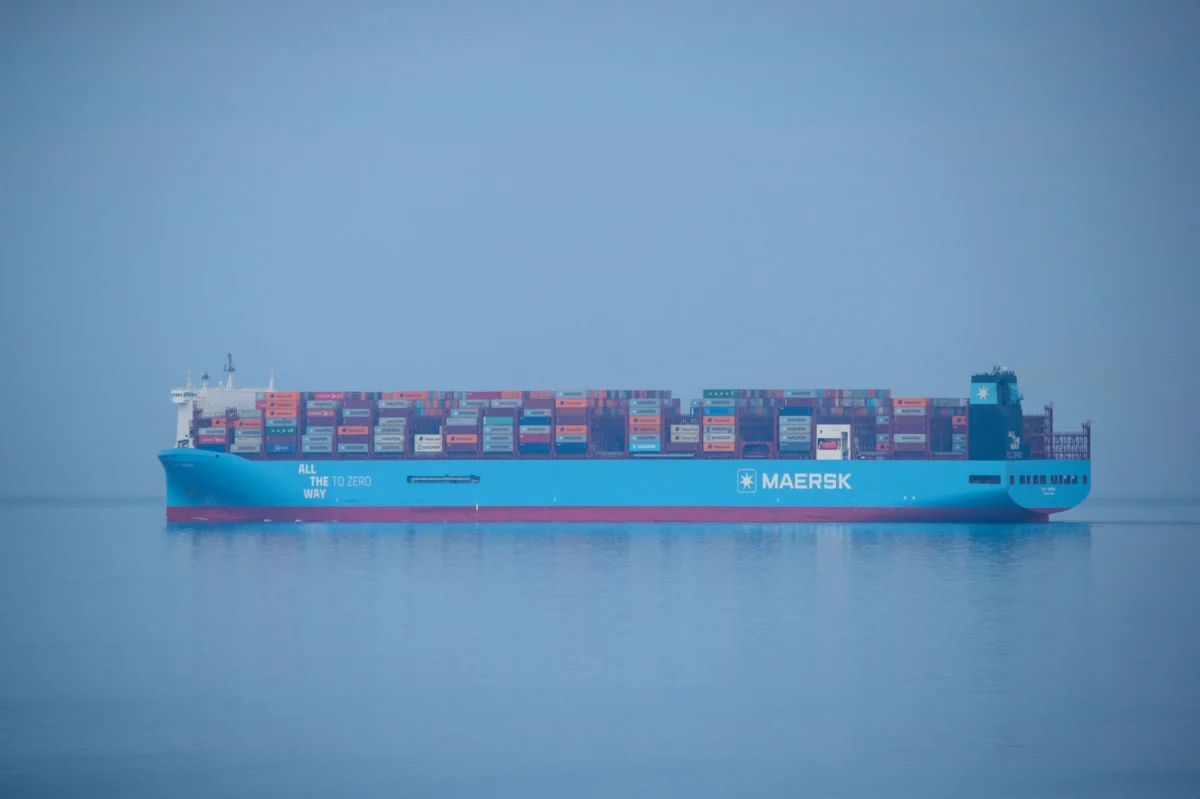
Maersk welcomed the United States‑Iran nuclear pact on Tuesday, but it has not altered any of its operations in the volatile Persian Gulf.
The Danish shipping giant issued a brief statement saying the deal “opens new opportunities for commerce” while confirming that its 50‑vessel fleet will continue to run the same routes between Saudi Arabia, the United Arab Emirates and Oman.
Why does this matter?
Maersk accounts for roughly 12% of world container traffic. Any shift in its routing decisions can affect freight rates, supply‑chain timelines and even the price you pay for a smartphone.
Even though the company praised the diplomatic breakthrough, it underscored that the agreement does not automatically lift the U.S. sanctions that still restrict certain Iranian ports.
What could change next?
Analysts say the next step is a detailed licensing review by the U.S. Treasury’s Office of Foreign Assets Control. If licences are granted, Maersk could soon add Iranian ports like Bandar Abbas to its schedule.
For now, the firm’s senior executives remain cautious. “We will continue to monitor the evolving regulatory environment and adjust our services when it is commercially viable and legally permissible,” the statement read.
Customers watching the news wonder whether the optimism will translate into faster deliveries. The answer hinges on how quickly governments move from diplomatic language to concrete paperwork.
Meanwhile, rival operators such as MSC and CMA CGM are also watching the deal closely, ready to reshape their own networks if the sanctions landscape eases.
In short, Maersk’s public endorsement signals confidence in diplomatic progress, but the lack of operational changes reminds shippers that policy and practice often travel on separate tracks.
Stay tuned as regulators, insurers and port authorities negotiate the fine print — the next few weeks could rewrite the shipping map of the Middle East.
For deeper analysis of how geopolitics reshapes trade routes, explore our war‑geopolitics and economy and markets sections.