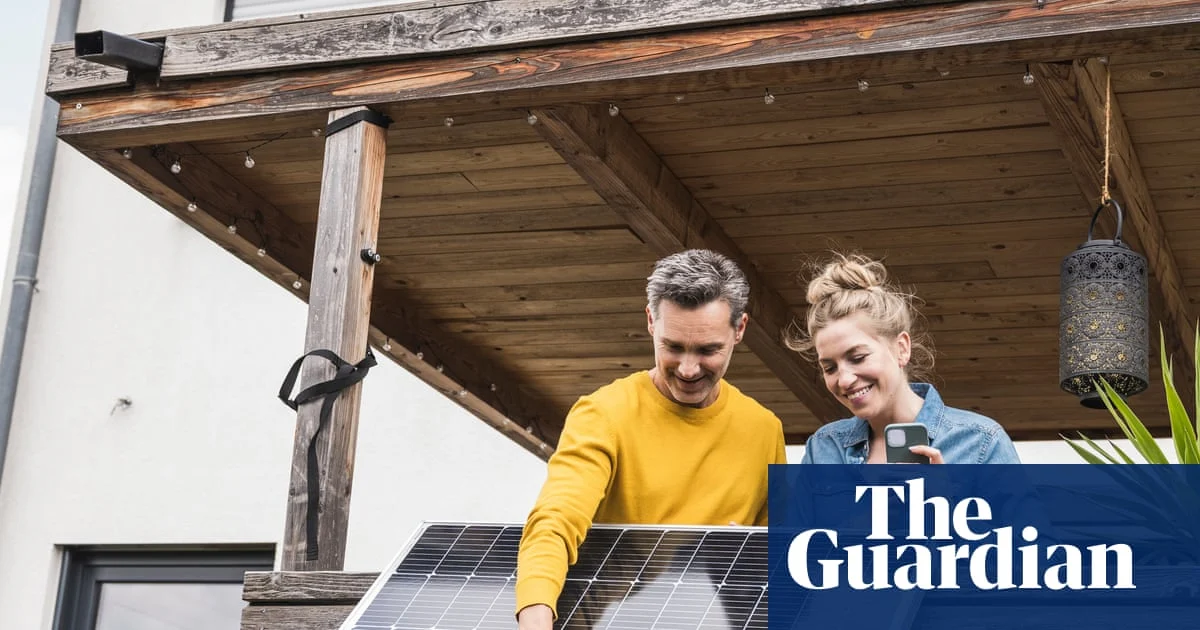
A new wave of low-cost ‘plug-in’ solar panels will be available for purchase in Great Britain starting 27 August, offering an affordable alternative to traditional rooftop systems. The change comes after a rule adjustment that allows residents to install these ‘balcony’ systems themselves, potentially cutting electricity bills for those who cannot install conventional solar panels due to renting or living in flats.
Despite ample sunshine this summer, many Britons have been unable to harness solar energy due to the high cost and logistical challenges of rooftop installations. The upcoming availability of these plug-in systems could extend solar power access to more households.
KEY FACTS
- Low-cost ‘plug-in’ solar panels will go on sale in Great Britain from 27 August.
- The systems are designed for self-installation, targeting renters and flat dwellers.
- Rooftop solar panels are often impractical for renters or those living in flats.
- The cost of traditional solar panels has been prohibitive for many households.
What are plug-in solar panels?
Plug-in solar panels, often referred to as ‘balcony’ systems, are compact, low-cost photovoltaic units that can be easily connected to a home’s electrical system. Unlike traditional rooftop installations, these systems do not require professional installation or structural modifications, making them ideal for renters and those living in multi-unit buildings.
Who benefits from this change?
The new rule primarily benefits renters and residents of flats, who have historically faced barriers to adopting solar power. With rooftop installations often impractical or prohibited, plug-in solar panels provide a viable alternative. The lower cost also makes solar energy accessible to more households, potentially reducing electricity bills for a broader demographic.
WHAT WE KNOW — AND WHAT WE DON’T
Verified by the source:
- Plug-in solar panels will be available for purchase starting 27 August.
- The systems are designed for self-installation.
- The change is due to a recent rule adjustment.
Still unconfirmed:
- The exact price range of the plug-in solar panels.
- The energy output and efficiency of these systems compared to traditional panels.
- Whether there are any restrictions or regulations on their use in certain areas.
WHY IT MATTERS
Access to affordable solar energy can significantly reduce household electricity bills and contribute to broader environmental goals by lowering carbon footprints. This development could democratize solar power, making it accessible to populations previously excluded due to cost or housing constraints.
WHAT TO WATCH
Consumer adoption and feedback following the 27 August launch will provide insights into the effectiveness and popularity of these plug-in solar systems. Further regulatory updates may also emerge as the market for these products develops.