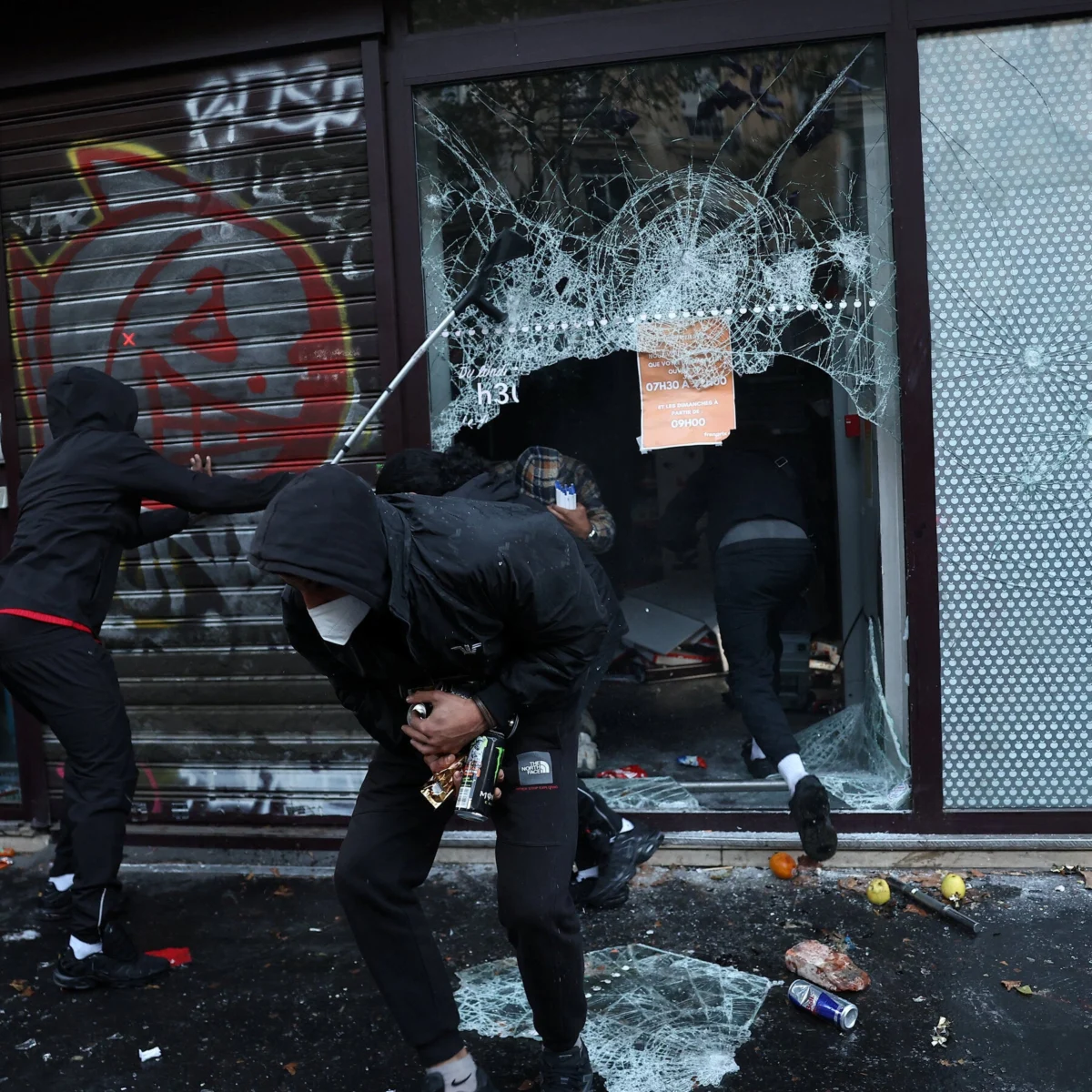
Following public disturbances in France, officials are asking online marketplaces — including resale sites — to take down goods believed to have been looted from stores. The push comes as stolen merchandise surfaces on secondhand platforms after the unrest. Authorities have not provided specific numbers or names, but the concern centers on how quickly pilfered goods reappear in digital marketplaces.
The disturbances, which officials describe as public disturbances over the weekend, have led to a surge in listings that appear to match stolen inventory, prompting the requests to platforms like eBay and Vinted. This situation mirrors past challenges where looted goods quickly migrate to resale environments, complicating recovery efforts and raising questions about platform accountability.
KEY FACTS
- Officials in France are pressing online platforms to remove looted goods.
- Items stolen during public disturbances have appeared on resale sites.
- Platforms such as eBay and Vinted are being asked to act.
What Happens Next?
After the public disturbances, French officials turned to resale sites as stolen goods began appearing online. While the summary does not specify which platforms beyond eBay and Vinted received pressure, both are major European resale platforms, and similar requests have historically extended to others. The core dynamic is straightforward: once goods are looted from physical stores, resale sites offer a fast path to monetization. Officials aim to interrupt that chain by pressing platforms to remove listings tied to theft. However, automated detection remains imperfect, and resellers often use generic descriptions or photos to avoid flagging systems. The balance between policing resale content and preserving legitimate sales continues to challenge platforms globally. Still, the volume of flagged items tends to spike after major disturbances, when stolen inventory floods secondhand markets. Platforms typically respond by increasing manual reviews and tightening listing policies during such periods. Whether those measures fully prevent the resale of stolen goods remains an open question, especially given the scale of some disturbance-related looting events.
Who Is Affected?
Beyond French officials pressing resale sites, several groups face consequences from this cycle of looting and resale. Retailers lose revenue and inventory, and insurance claims can rise as stolen goods surface online. Resale platforms risk reputational damage if they are seen as conduits for pilfered merchandise, even when detection systems are imperfect. Consumers browsing resale sites may unknowingly purchase stolen items, exposing themselves to legal and financial risks if those items are seized. Law enforcement agencies are stretched thinner as they track goods scattered across multiple digital marketplaces, each with different reporting and takedown processes. In past cases, resale sites have worked with authorities by providing transaction records or identifying repeat offenders who relist stolen goods under new accounts. Community groups and advocacy organizations also become involved, raising concerns about whether aggressive takedowns disproportionately affect small sellers who may be unfairly flagged. The ripple effects mean that resale sites and the broader secondhand economy operate under heightened scrutiny after disturbances, as stakeholders demand faster action and greater accountability from platforms hosting the listings.
How Did We Get Here?
Public disturbances and looting have repeatedly strained relationships between resellers and authorities worldwide. In past events, stolen goods quickly migrated to resale sites, which platforms initially struggled to detect at scale. French officials have previously issued similar requests to resale sites and online marketplaces, asking them to remove listings tied to theft following major unrest. The dynamic intensified as secondhand commerce grew, giving looter networks faster access to buyers across borders. Resale sites have faced pressure to adopt better verification tools, including photo matching and serial number checks, though implementation varies widely. In some earlier cases, platforms cooperated by flagging suspicious keywords or removing entire categories of listings after disturbances. Officials have also worked with payment processors to freeze accounts linked to suspected resales of stolen goods. Despite these measures, the volume of listings often overwhelms detection systems during peak periods. The current situation reflects that long-standing tension between enabling open commerce and preventing platforms from inadvertently enabling the resale of stolen property. As a result, resale sites remain under pressure to act swiftly even when evidence is incomplete.
WHAT WE KNOW — AND WHAT WE DON’T
Verified by the source:
- Officials in France asked resale sites and online platforms to remove looted goods.
- Goods stolen during public disturbances appeared on those platforms.
- Platforms named in the source include eBay and Vinted.
Still unconfirmed:
- The exact timing and scope of the public disturbances.
- How many listings were removed or remain active.
- Whether other unnamed platforms were also asked to act.
Authorities’ reasoning and any cooperation agreements with resellers are not detailed in the source. The impact on small sellers and repeat offenders is also unspecified.
WHY IT MATTERS
This story reflects a recurring tension in digital commerce: platforms that enable open resale also risk becoming channels for stolen goods after disturbances. When looting occurs, resale sites can amplify losses for retailers and complicate recovery for law enforcement, especially as listings spread quickly across borders and accounts. For consumers, unknowingly purchasing stolen items can lead to seized property or legal exposure. For platforms, the stakes include reputational risk and regulatory pressure to monitor transactions more aggressively. As secondhand markets grow, the burden on resale sites to detect and remove suspect listings increases, often with limited tools. French officials’ actions show one approach to closing that gap, but the effectiveness of such pressure depends on how quickly platforms respond and how accurately automated systems can identify looted goods. The broader implication is that digital marketplaces remain vulnerable touchpoints in the chain between theft and resale, and resale sites will likely face intensified scrutiny as commerce shifts further online. How that scrutiny shapes future policies and user experiences remains to be seen.
WHAT TO WATCH
Monday to Wednesday following the disturbances, platforms typically remove flagged listings most quickly. Further takedowns and potential policy updates from resale sites may follow. The situation illustrates how looting can spread across resale sites, complicating recovery efforts.
France looting resale sites