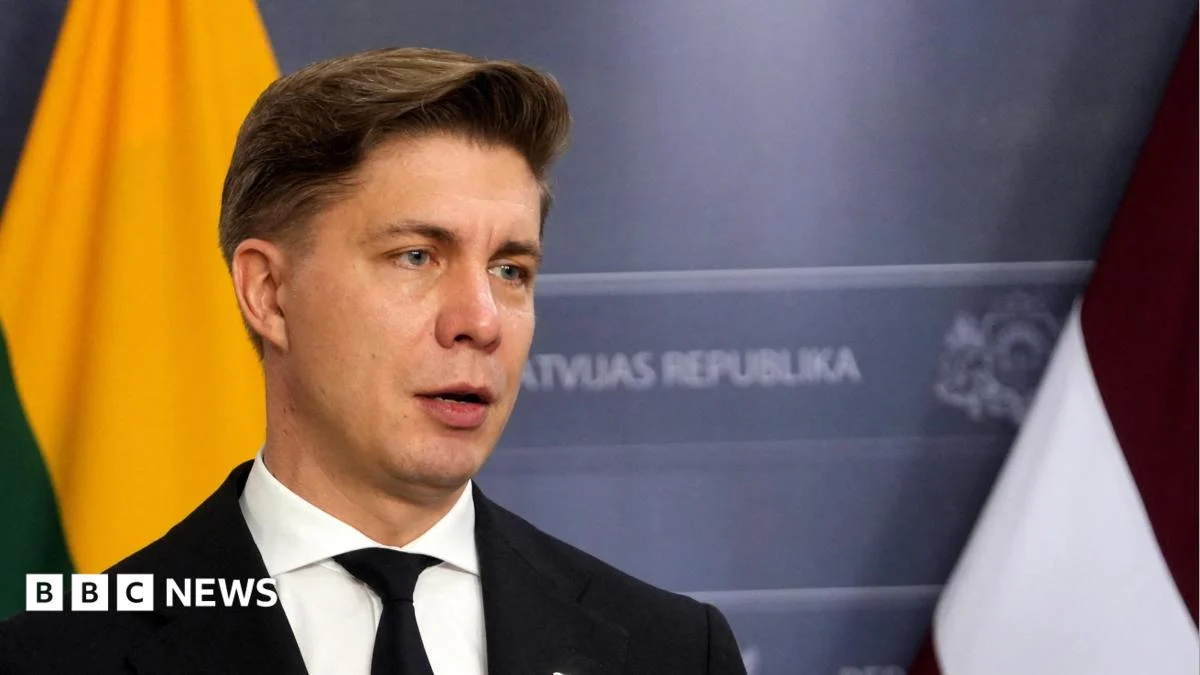
Lithuania is preparing to resist potential Russian aggression while also planning for civilian evacuation, its prime minister said in an interview with BBC Newsnight.
The unnamed prime minister — identified only as Sinkevičius — stated that Lithuanians feel ‘constantly threatened’ by Moscow but the nation remains ready to ‘fight back’ if attacked. No further details were provided about the nature of Russia’s threats or the scope of Lithuania’s military or evacuation preparations.
According to BBC News, the comments reflect ongoing tensions between Russia and NATO member states in the Baltic region. Lithuania, along with Latvia and Estonia, shares a border with Russia and has been a frequent target of what Western officials describe as hybrid warfare and disinformation campaigns. The prime minister’s remarks underscore the fragile security environment facing small NATO allies near Russia’s borders.
Key Facts
- Lithuanian PM told BBC Newsnight citizens feel ‘constantly threatened’ by Moscow.
- PM stated Lithuania is prepared to ‘fight back’ if attacked.
- Evacuation plans reportedly exist in case of escalation.
- BBC News reported the interview aired on Newsnight.
What happens next?
The prime minister’s comments came without specific timelines or triggers for either military response or evacuation procedures. BBC News did not elaborate on whether the evacuation plans apply to military personnel, civilians, or specific regions within Lithuania. The lack of detail leaves unclear how operational these plans are or under what conditions they would be activated.
NATO has previously reinforced its military presence in the Baltic states following Russia’s annexation of Crimea in 2014 and its full-scale invasion of Ukraine in 2022. Lithuania contributes troops to NATO’s Enhanced Forward Presence battlegroup stationed in the country. However, BBC News provided no indication of increased Russian military activity prompting the prime minister’s statements.
The concept of ‘fighting back’ implies coordination with NATO allies, though no formal invocation of Article 5 collective defense was mentioned. Evacuation planning suggests contingency measures for worst-case scenarios, possibly involving cyberattacks, energy supply disruptions, or conventional military threats. Still, without official elaboration, the practical implications remain speculative.
What we know
Verified by the source:
- Lithuanian PM Sinkevičius spoke to BBC Newsnight.
- Lithuanians reportedly feel ‘constantly threatened’ by Moscow.
- PM claimed readiness to ‘fight back’ if attacked.
- Evacuation plans reportedly exist.
Still unconfirmed:
- The identity and position of the prime minister were not fully specified.
- No details given about Russia’s specific threats.
- Scope and activation criteria for evacuation plans unclear.
- No mention of NATO or allied consultation processes.
This development occurs amid broader concerns over Russian influence and security destabilization across Europe, particularly affecting neighboring NATO members. While Lithuania’s stance signals resolve, it also highlights vulnerabilities in smaller alliance states facing perceived pressure from a larger neighbor.
The situation may evolve depending on future Russian actions or statements. Additional clarity could emerge from official government briefings or NATO responses. For now, the prime minister’s interview serves as a public signal of preparedness rather than an announcement of imminent crisis measures.
Lithuania braces as Russia threats dominate Baltic security discussions, raising questions about alliance solidarity and civilian protection strategies. The BBC report adds to growing concerns about information warfare targeting democratic institutions in the region, where disinformation campaigns often aim to erode public confidence in Western institutions.
Moving forward, attention will likely focus on defense spending trends among Baltic nations and whether increased rhetoric leads to tangible policy shifts. NATO meetings and bilateral security talks may provide further insight into how member states are addressing shared concerns about Russian intentions. Citizens in affected areas should monitor official channels for guidance on emergency preparedness and civil protection protocols as situations develop.