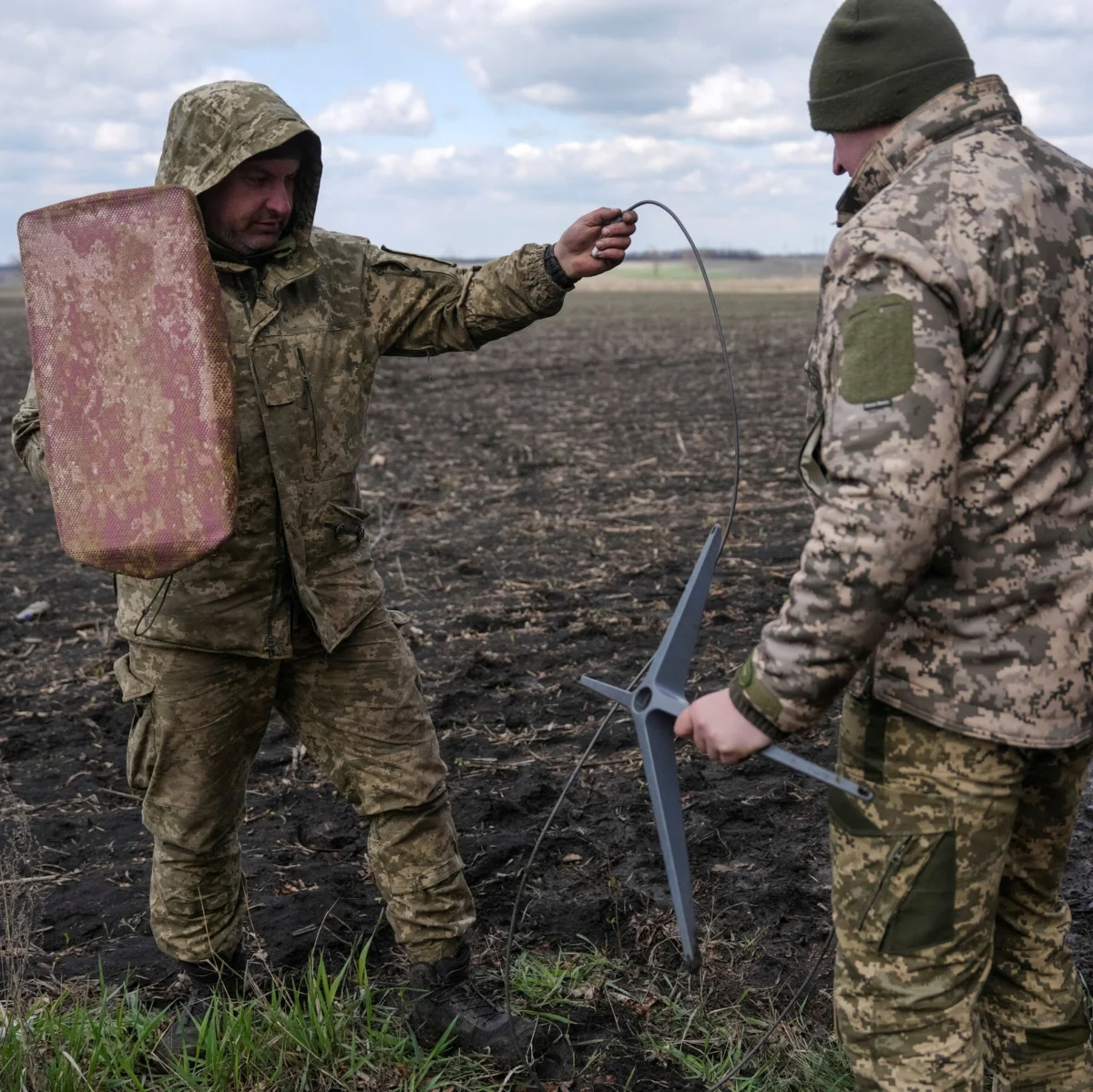
Lithuania has determined that a fire at a Starlink center was an act of sabotage, officials say. The incident follows similar fires reported at Starlink facilities in Bulgaria and Poland earlier this year. Despite the deliberate nature of the blaze, authorities confirmed it did not seriously damage the satellite internet network used extensively by Ukraine’s armed forces.
The Starlink system, operated by SpaceX, provides critical high-speed internet to regions with limited or damaged terrestrial infrastructure. In Ukraine, it has become a key communications tool on the battlefield, prompting increased scrutiny of any disruptions or attacks on its equipment across allied nations.
KEY FACTS
- A fire at a Starlink center in Lithuania was ruled sabotage by officials.
- The fire did not seriously damage the Starlink network.
- Similar incidents occurred at Starlink centers in Bulgaria and Poland.
- Starlink serves as a key defense tool for Ukraine’s armed forces.
Why This Matters: Understanding the Strategic Role of Starlink
Starlink, a satellite internet service developed by SpaceX, delivers broadband connectivity to remote or conflict-affected areas. Unlike traditional internet infrastructure, which relies on cables and ground-based towers, Starlink uses low-Earth orbit satellites to transmit data directly to user terminals. This makes it especially valuable in regions where conventional networks are unavailable or unreliable due to war, natural disasters, or authoritarian control.
In Ukraine, Starlink terminals have enabled military commanders to coordinate supply lines, guide drone operations, and maintain communication between front lines and headquarters. The service has also supported civilian life during blackouts and infrastructure damage. Because the constellation plays such a strategic role, any disruption — whether accidental or intentional — raises concerns among NATO allies and partners supporting Ukraine.
What Happens Next After the Lithuanian Fire?
Authorities in Lithuania are investigating the fire as a deliberate act, though officials have not disclosed suspects or motives. The European Union has already expressed concern over potential threats to critical tech infrastructure, and this incident may prompt further security reviews of Starlink sites across member states. Neighboring countries like Poland and Bulgaria, which saw similar incidents, are likely assessing vulnerabilities in their own facilities.
Ukraine’s dependence on Starlink adds urgency to securing its nodes abroad. While the operator has not publicly commented on the specific cases in Lithuania, Bulgaria, or Poland, past outages and restrictions — including ones linked to geopolitical tensions — have drawn attention to how fragile access to space-based internet can be during wartime.
What We Know — and What We Don’t
Verified by the source:
- A fire at a Starlink center in Lithuania was ruled sabotage by officials.
- The fire did not seriously damage the Starlink network.
- Similar incidents occurred involving Starlink centers in Bulgaria and Poland.
- Starlink is described as a key defense tool for Ukraine’s armed forces.
Still unconfirmed:
- The identities or roles of the officials who made the sabotage determination.
- Exact timing or dates of the fires in Lithuania, Bulgaria, or Poland.
- Potential suspects, motives, or perpetrators behind the attacks.
- Extent of damage or response measures taken at the affected sites.
- Whether the fires are connected or part of a coordinated campaign.
Why It Matters
Attacks on critical digital infrastructure like Starlink highlight growing risks to the technological backbone of modern warfare. As Ukraine relies heavily on satellite internet for both military coordination and civilian resilience, safeguarding these assets becomes essential for national and regional security. These fires also underscore how the war in Ukraine extends beyond its borders, drawing in allied nations through shared reliance on advanced tech systems.
What To Watch
Investigations in Lithuania, Bulgaria, and Poland are ongoing, and any findings could lead to broader EU-level discussions about protecting satellite infrastructure. Further disruptions may accelerate efforts to harden physical and cyber defenses around Starlink installations throughout Europe. Stay updated via our war and geopolitics coverage and technology news.