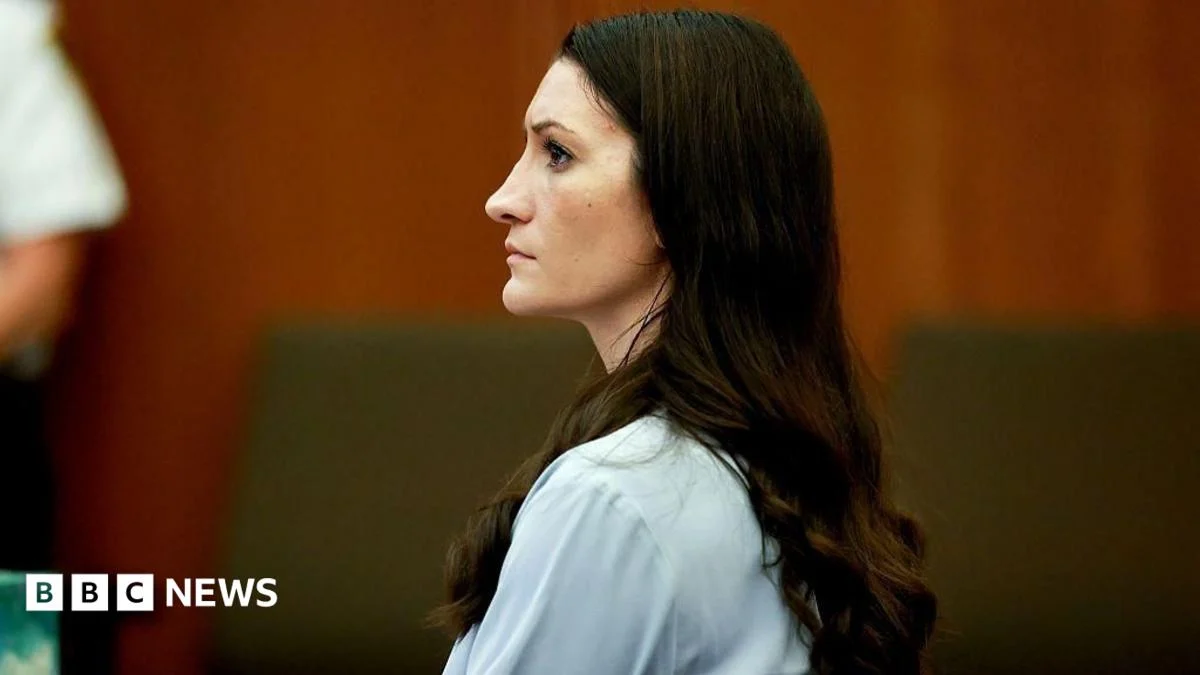
Lindsay Clancy has admitted to killing her three children while pleading not guilty to murder, saying she was suffering from postpartum psychosis, and her mother-in-law testified that she had begged for help before the deaths, according to BBC News.
The allegations emerged during court proceedings where Clancy acknowledged responsibility for the deaths of her daughter and two sons but contested the murder charge, citing a severe mental health condition that can follow childbirth.
Key Facts
- Lindsay Clancy admitted killing her daughter and two sons.
- Lindsay Clancy pleaded not guilty to murder.
- Lindsay Clancy said she was experiencing postpartum psychosis.
- The mother-in-law testified that Clancy begged for help before the killings.
What does the mother-in-law’s testimony say?
According to the BBC News report, the mother‑in‑law gave evidence that Lindsay Clancy had pleaded for assistance prior to the deaths of her children. The testimony does not specify what form the help took or when it was requested, only that a request for help was made. This detail is presented as part of the prosecution’s effort to establish a timeline of events leading up to the killings.
The testimony adds a layer to the narrative of a mother who, while allegedly seeking support, ultimately faced charges related to the deaths of her three children. No further specifics about the nature of the assistance or the response she received are provided in the source.
What happens next?
The legal process will continue as the court considers Clancy’s plea of not guilty to murder alongside her admission of causing the children’s deaths. The judge and jury will weigh the postpartum psychosis defence against the prosecution’s case. Outcomes could include a verdict of not guilty by reason of insanity, a guilty verdict on a lesser charge, or another legal resolution.
Any sentencing or disposition will depend on how the court interprets the mental health claim and the evidence presented, including the mother‑in‑law’s testimony about a plea for help. The case remains active within the judicial system.
What We Know — and What We Don’t
Verified by the source:
- Lindsay Clancy admitted killing her daughter and two sons.
- Lindsay Clancy pleaded not guilty to murder.
- Lindsay Clancy said she was experiencing postpartum psychosis.
- The mother-in-law testified that Clancy begged for help before the killings.
Still unconfirmed:
- Whether Lindsay Clancy had received any prior psychiatric diagnosis or treatment.
- The exact timing and nature of the help she reportedly begged for.
- If any other individuals were aware of her mental state before the incident.
- The specific legal strategy the prosecution will pursue beyond the murder charge.
Why It Matters
The case highlights how postpartum psychosis, a rare but serious mental health condition, can intersect with criminal law and public safety discussions. It raises awareness about the need for perinatal mental health support and the challenges families may face in recognizing and addressing severe psychiatric symptoms after childbirth.
What To Watch
Future court hearings will determine how the postpartum psychosis defence is evaluated and what legal consequences, if any, follow. Observers may also watch for any official statements from health authorities regarding perinatal mental health services.