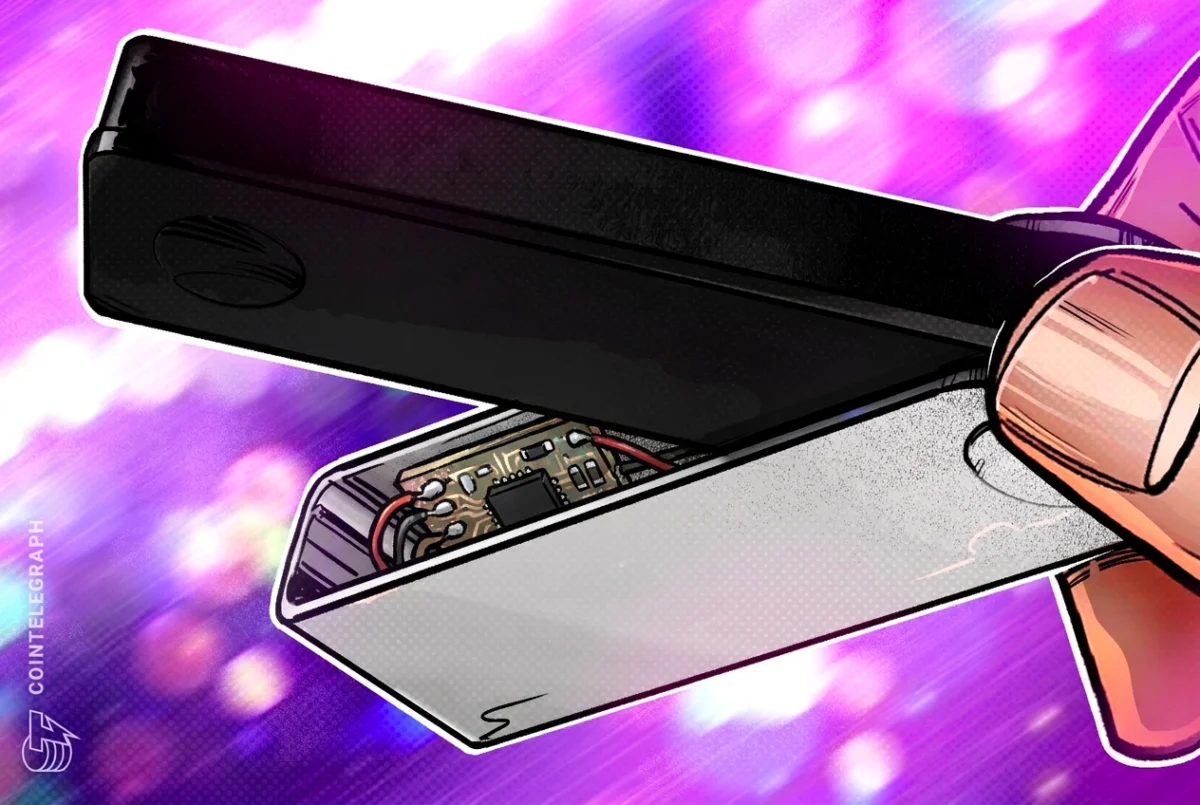
Ledger Confirms Unauthorized Hardware Implant, Losses May Exceed $86M
Ledger, a provider of cryptocurrency hardware wallets, has confirmed that an unauthorized hardware implant was discovered on devices distributed through a single reseller in Southeast Asia. The company stated the incident appears isolated to that reseller and that losses may exceed $86 million.
The unauthorized hardware implant refers to physical tampering with Ledger devices before they reached end users. Such incidents raise serious concerns about supply chain security in the hardware wallet industry, where users trust that devices are authentic and unmodified. Ledger emphasized that the breach was contained to one distributor and that no further unauthorized implants have been identified elsewhere.
Key Facts
- Headline: Ledger confirms unauthorized hardware implant, says losses may exceed $86M
- Scope: Incident isolated to a single reseller in Southeast Asia
- Losses: Reported losses may exceed $86 million
- Device Type: Refers to hardware wallets
- Response: Investigation ongoing, no other implants found
What Is An Unauthorized Hardware Implant?
An unauthorized hardware implant refers to physical modifications made to electronic devices, typically involving the insertion of additional components that can monitor, record, or transmit data without the user’s knowledge. In the context of hardware wallets, such implants could potentially allow attackers to extract private keys or other sensitive cryptographic information used to secure cryptocurrency assets.
These types of compromises are particularly concerning because they occur outside the control of the device manufacturer. Users expect hardware wallets to be secure by design, assuming that no third party has altered the device during distribution. When an unauthorized hardware implant is introduced, it undermines the foundational trust model of these tools.
Who Is Affected By This Incident?
The unauthorized hardware implant was traced back to a single reseller operating in Southeast Asia, according to the company’s statement. This suggests that customers who purchased Ledger devices through this specific distribution channel are the most directly impacted by the incident.
Ledger noted that the breach appears to be isolated and that there is no evidence suggesting similar activity occurred through other resellers or markets. As a result, users who bought their devices directly from Ledger or through verified global partners are not believed to be at risk from this particular incident.
How Did We Get Here?
Hardware wallets like those produced by Ledger are designed to offer some of the highest levels of security available for storing cryptocurrencies. These devices keep private keys isolated from internet-connected systems, making them a target for attackers seeking indirect ways to access funds.
The discovery of the unauthorized hardware implant underscores how supply chains remain vulnerable points for manipulation. While manufacturers implement rigorous testing and authentication protocols, ensuring integrity across every step—from production to retail—remains challenging, especially when multiple intermediaries are involved.
What We Know — and What We Don’t
Verified by the source:
- Ledger confirmed the presence of an unauthorized hardware implant
- The affected devices were distributed via a single reseller in Southeast Asia
- Potential losses may exceed $86 million
- No additional unauthorized implants have been detected so far
Still unconfirmed:
- Exact number of compromised devices
- Identity and location of the reseller
- Whether any user funds were actually stolen
- Timeline of when the implant was first introduced
- Details of how the tampering was discovered
Why It Matters
As more individuals and institutions adopt cryptocurrency, the need for secure storage solutions becomes increasingly urgent. Incidents involving unauthorized hardware implants threaten not only individual financial security but also public confidence in the broader ecosystem. Trust, once broken, is difficult to rebuild, especially in decentralized environments where recourse options are limited.
What To Watch
Stakeholders will likely monitor whether Ledger releases updates to its supply chain verification process or takes action against the implicated reseller. Additional disclosures regarding customer notifications or remediation measures could also shape future perceptions of hardware wallet reliability.
Meanwhile, users are advised to verify their device authenticity using official checking mechanisms provided by the manufacturer. Future developments may influence regulatory approaches toward securing digital asset infrastructure globally.