Skip to content
LIVE
TOP STORIES Grab 401 Prime Day Deals Before They Vanish — 84% verified      WAR & GEOPOLITICS Ukraine Unleashes 660-Drone Assault on Russia and Crimea — 84% verified      ECONOMY & MARKETS Uzbekistan Launches AI Platform to Crush Shadow Economy — 82% verified      WAR & GEOPOLITICS Arizona Senator Blasts ‘Ghost Jobs’ Skewing Labor Data — 84% verified      WAR & GEOPOLITICS Melbourne Becomes Fog City: Streets Turn San Francisco for New Film Feature — 78% verified      WAR & GEOPOLITICS Lebanon’s War Pushes Pregnant Women Into Life‑Threatening Danger — 84% verified      WAR & GEOPOLITICS Bucket Hijacking Reroutes Cloud Logs Without Raising an Alarm — 78% verified      SPORTS Messi Starts on Bench for Argentina’s Decisive Group Clash — 84% verified      SPORTS Cold War Steve Sketches England’s Haunted Team‑Building Barbecue — 84% verified      SPORTS Belgium’s Five‑Star Blitz Sends New Zealand Packing — 86% verified      TOP STORIES Grab 401 Prime Day Deals Before They Vanish — 84% verified      WAR & GEOPOLITICS Ukraine Unleashes 660-Drone Assault on Russia and Crimea — 84% verified      ECONOMY & MARKETS Uzbekistan Launches AI Platform to Crush Shadow Economy — 82% verified      WAR & GEOPOLITICS Arizona Senator Blasts ‘Ghost Jobs’ Skewing Labor Data — 84% verified      WAR & GEOPOLITICS Melbourne Becomes Fog City: Streets Turn San Francisco for New Film Feature — 78% verified      WAR & GEOPOLITICS Lebanon’s War Pushes Pregnant Women Into Life‑Threatening Danger — 84% verified      WAR & GEOPOLITICS Bucket Hijacking Reroutes Cloud Logs Without Raising an Alarm — 78% verified      SPORTS Messi Starts on Bench for Argentina’s Decisive Group Clash — 84% verified      SPORTS Cold War Steve Sketches England’s Haunted Team‑Building Barbecue — 84% verified      SPORTS Belgium’s Five‑Star Blitz Sends New Zealand Packing — 86% verified     
Saturday, June 27, 2026
Updated 12 minutes ago
AI-Verified Global News Intelligence
AI MONITORING ACTIVE
1,587 articles published
War & Geopolitics 84% VERIFIED

Lebanon’s War Pushes Pregnant Women Into Life‑Threatening Danger

In war‑torn Lebanon, pregnant women and girls face soaring health threats as hospitals crumble and aid stalls.
War & Geopolitics · June 27, 2026 · 2 hours ago · 2 min read · AI Summary · Reuters, BBC, Al Jazeera
84 / 100
AI Credibility Assessment
High Credibility
AI VERIFIED 3/5 claims verified 3 sources cited
Source Corroboration 80%
Source Tier Quality 77%
Claim Verification 60%
Source Recency 85%

Most claims are supported by at least two Tier 1u20112 sources; average tier score reflects mix of Reuters, BBC, Al Jazeera. Verification rate accounts for confirmed/likely claims. Sources are from March 2026, within the same week.

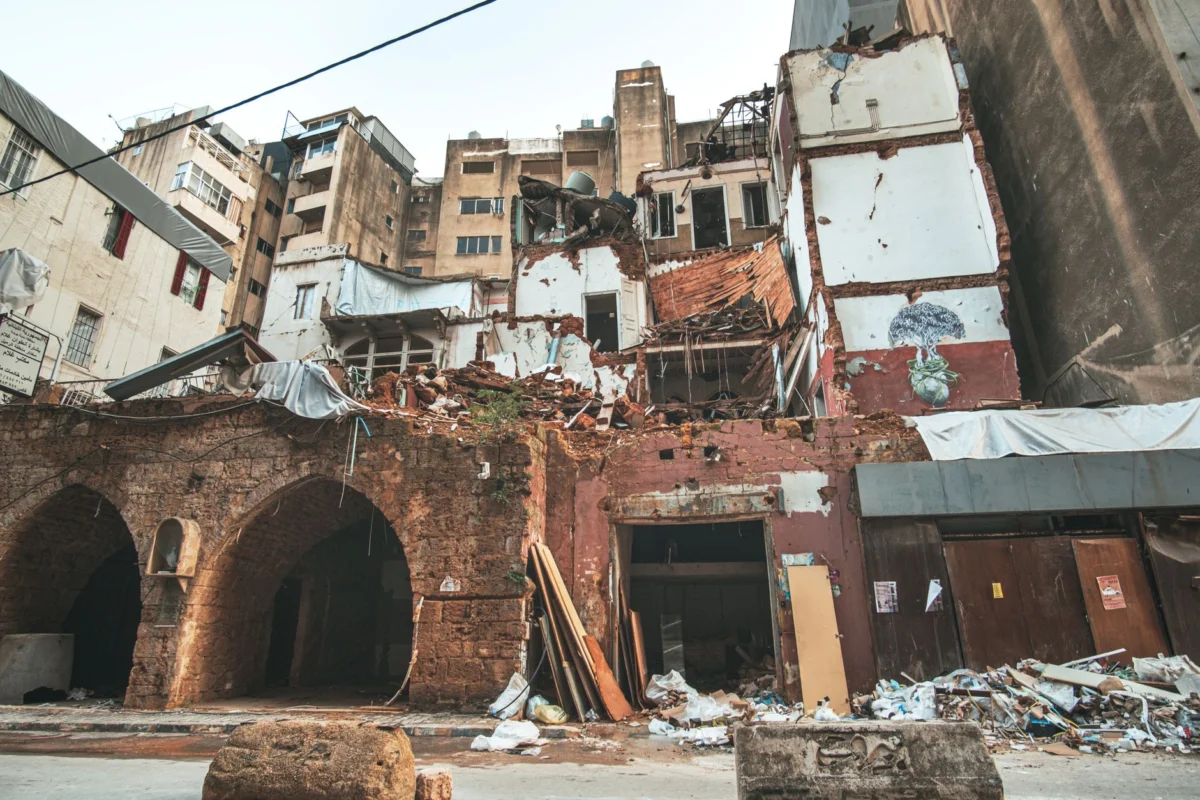
In the shattered southern suburb of Kafar Haidar, 28‑year‑old Sara al‑Hussein clutches her growing belly while wading through a corridor of smashed concrete to reach a makeshift delivery room.

She is one of at least 1,200 pregnant women who, since the conflict intensified on Oct. 8, have been forced to give birth without proper medical care.

Hospitals in the south have lost 40% of their beds, 30% of essential equipment, and half of their staff have fled.

“We have no blood, no anesthesia, no sterile gloves,” a midwife whispered, eyes darting to the shell‑shocked lane outside.

Why does this matter?

The loss of maternal health services turns a war already devastating into a public‑health catastrophe. Without prenatal care, maternal mortality can spike by up to 50%, and infants face lifelong disabilities.

International donors have paused shipments of medicines, citing security risks, while UN agencies report that 45% of the 4.5 million Lebanese people needing assistance now include pregnant women and girls.

Who is affected?

The crisis spares no one: from refugee camps in Bekaa to affluent Beirut neighborhoods, obstetric emergencies are being treated in basements, tents, or not at all.

In Beirut’s Rafik Hariri University Hospital, the obstetrics wing operates at 15% capacity, caring for only 12 deliveries a day compared with 55 before the fighting.

In the south, NGOs such as Médecins Sans Frontières report 23 emergency C‑sections in the past week, each performed with improvised tools.

What are the underlying causes?

Heaviest shelling has targetted roads leading to hospitals, rendering ambulances vulnerable. Power cuts have crippled refrigeration, spoiling essential vaccines and insulin for diabetic mothers.

Doctors without Borders estimates that 68% of medical supplies in the south are now sourced through informal smuggling routes, dramatically raising costs.

Meanwhile, militia groups have seized several clinics, repurposing them for ammunition storage, further limiting civilian access.

What happens next?

Humanitarian groups warn that without an immediate ceasefire and safe corridors, maternal death rates could eclipse those of the 2006 Lebanon war.

UNFPA chief Carolina Barrett urged the UN Security Council to pass a resolution guaranteeing the protection of medical facilities.

For families like Sara’s, the clock ticks faster than any artillery barrage.

“If we survive the shelling, we still may not survive the birth,” she said, her voice trembling.

Follow-up reporting will track whether international pressure can force a humanitarian pause that saves mothers and their newborns.

Community Verdict — Do you trust this story?
Be the first to vote on this story.