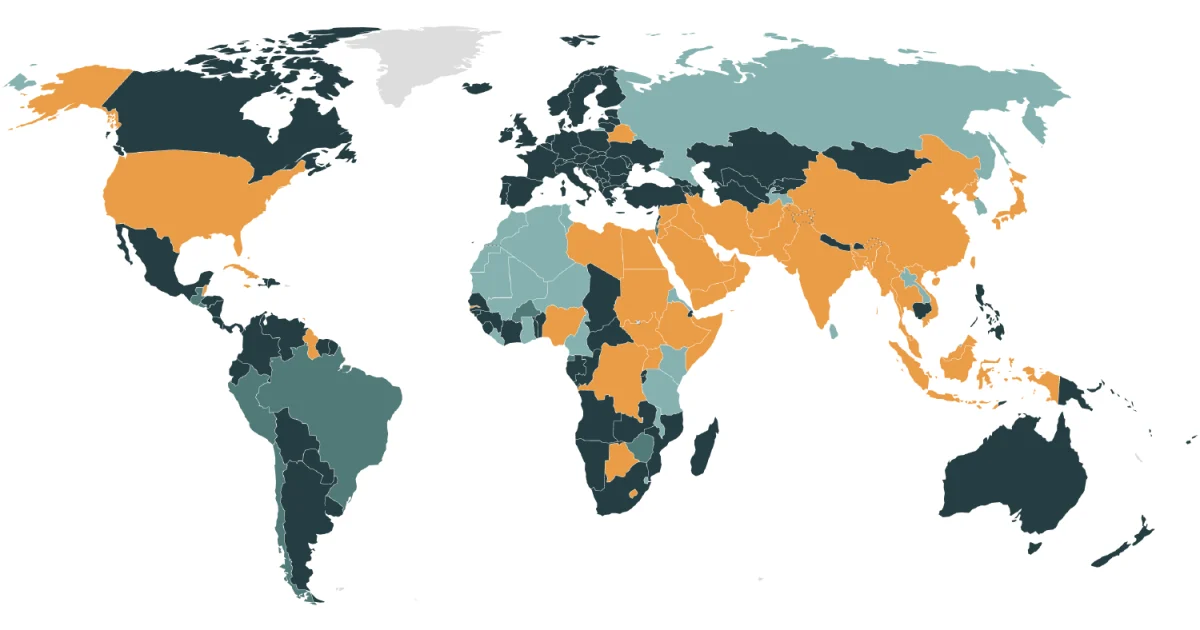
Lebanon has officially abolished the death penalty, becoming the latest country to end capital punishment in 2026. This move aligns with a broader global trend, as three-quarters of the world has now abolished the death penalty either in law or in practice, according to Amnesty International.
The decision marks a significant shift in Lebanon’s legal system, though the exact details of the abolition process remain unspecified in the source. The death penalty has been a contentious issue worldwide, with human rights organizations advocating for its end due to concerns over wrongful executions and ethical considerations.
KEY FACTS
- Lebanon has abolished the death penalty in 2026.
- Three-quarters of the world has abolished the death penalty in law or in practice.
- The information comes from a report by Amnesty International.
What does this mean for Lebanon?
The abolition of the death penalty in Lebanon reflects a growing international consensus against capital punishment. While the source does not provide specific details about Lebanon’s legal changes, such a move typically involves legislative amendments and could impact pending death sentences. Countries that abolish the death penalty often replace it with life imprisonment or other forms of punishment.
How does this fit into global trends?
Amnesty International’s data shows that most countries have either abolished the death penalty or no longer carry out executions. This trend is driven by human rights advocacy, concerns about judicial errors, and evolving ethical standards. Lebanon’s decision places it among the majority of nations that have moved away from capital punishment.
WHAT WE KNOW — AND WHAT WE DON’T
Verified by the source:
- Lebanon has abolished the death penalty.
- Three-quarters of the world has abolished the death penalty in law or in practice.
Still unconfirmed:
- The specific legal process behind Lebanon’s abolition.
- The number of countries that still actively use the death penalty.
- Any reactions from Lebanese officials or advocacy groups.
WHY IT MATTERS
The abolition of the death penalty in Lebanon underscores a significant human rights milestone. It reflects broader shifts in global attitudes toward capital punishment, which has faced increasing scrutiny over fairness, efficacy, and morality. For Lebanon, this move could signal a commitment to aligning with international human rights standards.
WHAT TO WATCH
Observers will monitor how Lebanon implements this change and whether other countries follow suit in abolishing the death penalty. Further details about Lebanon’s legal amendments and the status of existing death sentences may emerge in the coming months.