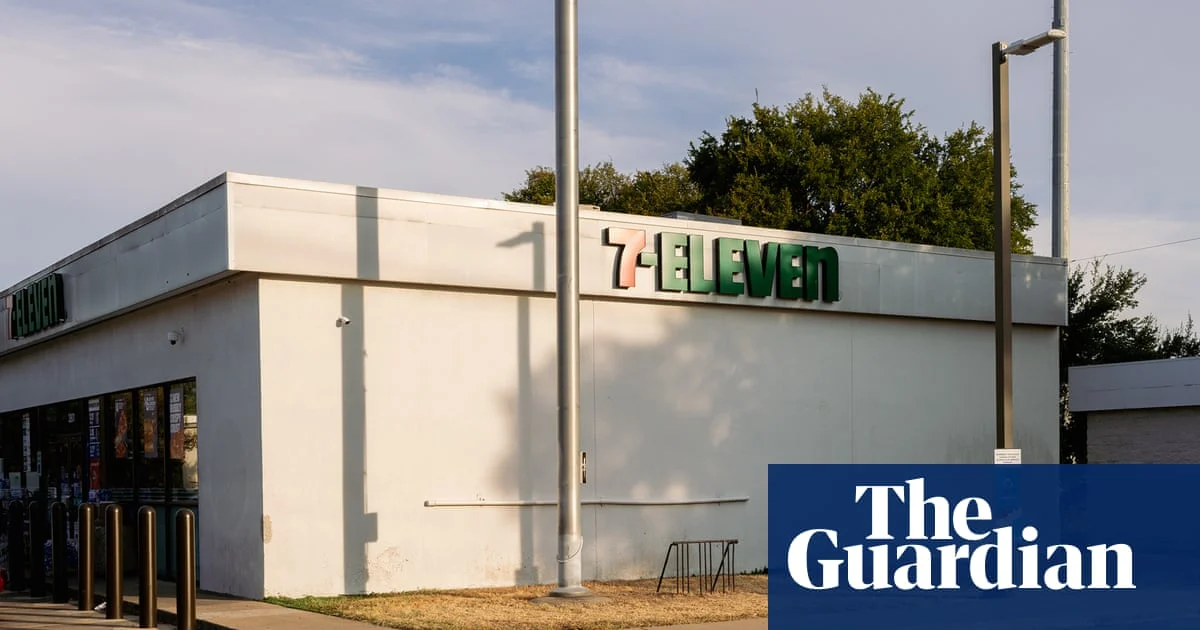
LEDE
Five US House members have called on action following a Guardian investigation into convenience store overcharges at 7-Eleven and Circle K, the nation’s two largest convenience store chains.
The investigation found that both chains frequently charge customers more at the register or pump than the prices advertised on shelves or outdoor fuel signs, according to Business | The Guardian. Lawmakers framed the findings as emblematic of everyday affordability struggles facing Americans.
KEY FACTS
- Five US House members called out pricing practices at 7-Eleven and Circle K.
- The calls came after a Guardian investigation into convenience store pricing.
- 7-Eleven and Circle K allegedly charge more at checkout than advertised prices.
- The findings were described as reflecting broader affordability struggles.
- 7-Eleven and Circle K are the two largest convenience store chains in the US.
The Story
What Happens Next?
According to Business | The Guardian, lawmakers have publicly criticized the chains but have not yet announced specific legislative proposals or investigations. It remains unclear whether formal hearings or regulatory reviews will follow the public statements. The Guardian’s investigation reportedly documented repeated instances where final prices exceeded shelf or sign prices for snacks, beverages, and fuel. Those discrepancies raise questions about consumer protection enforcement at state and federal levels.
Who Is Affected?
The reported overcharges affect everyday shoppers who rely on convenience stores for immediate needs such as food, drinks, and gasoline. Convenience stores serve millions of Americans daily, particularly in areas where larger supermarkets or gas stations may be limited. A pattern of charging more than advertised prices could compound financial pressures for households already stretched by inflation, Business | The Guardian reported. Advocates have long argued that low-income communities depend heavily on such stores, making transparency and fair pricing especially important.
How Did We Get Here?
The Guardian’s investigation reportedly focused on pricing practices at two dominant chains—7-Eleven and Circle K—both operated by major parent companies with extensive reach across the United States. Reporters allegedly documented cases where final charges exceeded shelf tags or outdoor fuel signage, suggesting systemic pricing inconsistencies. These findings emerged during a period of heightened concern over corporate profits and consumer costs, prompting congressional attention to convenience store overcharges as a symbol of broader affordability trends.
WHAT WE KNOW / WHAT WE DON’T
Verified by the source:
- Five US House members responded to a Guardian investigation.
- 7-Eleven and Circle K are the two largest convenience store chains in the US.
- The Guardian reported that prices charged at checkout sometimes exceed advertised prices.
- Lawmakers connected the findings to affordability struggles.
Still unconfirmed:
- The number of specific overcharged transactions documented by the Guardian.
- Whether either company has issued an official response.
- Any planned congressional hearings or investigations.
- Exact timeframes or regional scope of the reported discrepancies.
Why It Matters
For many Americans, convenience stores are a daily destination for essentials like food, drinks, and fuel. If the reported convenience store overcharges reflect widespread practice, they could quietly erode household budgets—especially for those with few alternatives. Economy and markets coverage frequently highlights how small price increases compound over time. See our economy-markets archive for related reporting on consumer costs and corporate accountability.
What To Watch
It is unclear whether either chain will respond or whether Congress will launch formal inquiries into the reported convenience store overcharges.