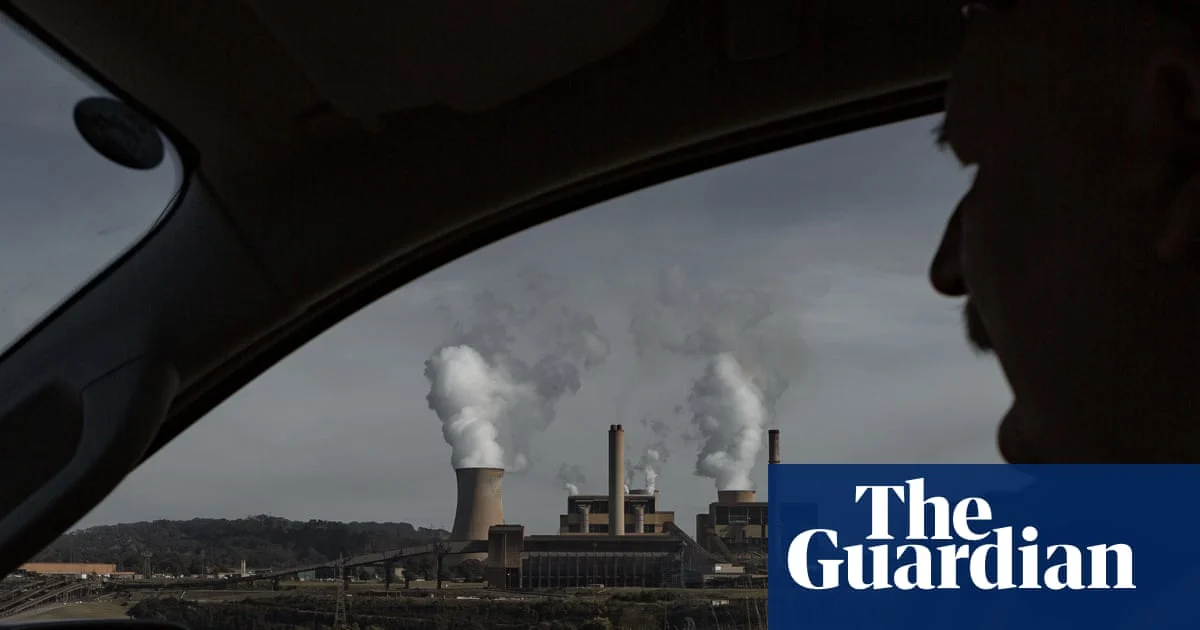
The coal industry in Latrobe Valley, once the economic lifeblood of the region, is now in terminal decline. A photographic project by Jesse Thompson aims to document this period of rapid change and examine the legacy being left behind.
The decline marks a significant shift for the area, long associated with coal mining and power generation. While the industry once provided jobs and economic stability, its contraction raises questions about the region’s future.
Key Facts
- The Latrobe Valley coal industry is in terminal decline.
- It was once the economic lifeblood of the region.
- Jesse Thompson’s photographic project documents this period of rapid change.
- The project also examines the legacy being left behind.
The Story
How did we get here?
Latrobe Valley has long been central to Australia’s coal industry, with vast brown coal reserves fueling power generation for decades. However, the industry’s decline reflects broader global shifts away from fossil fuels toward renewable energy sources.
Economic pressures, environmental concerns, and policy changes have all contributed to the downturn. Coal-fired power plants are closing, and investments are shifting to cleaner technologies, leaving communities historically reliant on coal facing an uncertain future.
What is the industry’s legacy?
The coal industry shaped Latrobe Valley’s identity, providing jobs and prosperity for generations. Local infrastructure, culture, and livelihoods were built around mining and energy production, making the decline especially impactful.
Jesse Thompson’s photographic project seeks to capture this transitional period, preserving the historical and cultural significance of coal while highlighting the challenges of industrial transition. His work underscores the human stories behind economic shifts.
What We Know — and What We Don’t
Verified by the source:
- The Latrobe Valley coal industry is in terminal decline.
- Jesse Thompson is documenting the transition through photography.
- The project examines the legacy of the coal industry.
Still unconfirmed:
- The timeline of the industry’s decline.
- Specific economic or employment impacts on the region.
- Whether the photographic project will lead to further initiatives.
Why It Matters
The decline of Latrobe Valley’s coal industry symbolizes the global transition away from fossil fuels, with significant implications for workers, communities, and energy policy. Documenting this shift helps contextualize broader economic and environmental debates.
What To Watch
Further developments in Latrobe Valley’s economic transition, as well as the release of Jesse Thompson’s photographic project, may provide deeper insights into the region’s future. Policy responses to job losses and industrial restructuring will also be critical to monitor.