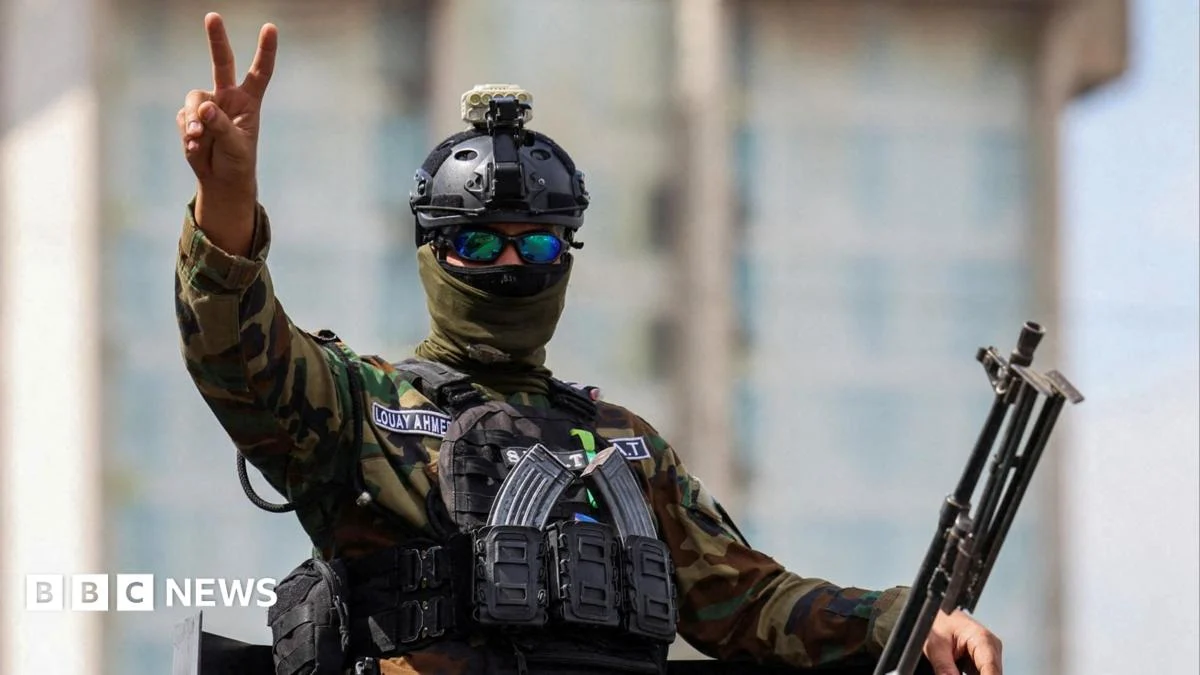
The last UK and US troops have left Iraq, ending a major phase of the global coalition fighting the so-called Islamic State (IS). The withdrawal follows a deal agreed two years ago and was a central demand of the Iraqi government. This marks a symbolic shift in Western engagement in the Middle East, particularly in Iraq, where public sentiment has long pushed for the departure of foreign military personnel.
The coalition mission, launched in 2014 to support Iraqi forces against IS, has steadily wound down operations in recent years. With the final troop withdrawal now completed, the focus shifts to how Iraq will maintain stability without direct Western military backing and whether regional security dynamics will evolve accordingly.
Key Facts
- Final UK and US troops have left Iraq.
- Withdrawal was under a deal agreed two years ago.
- Mission targeted the so-called Islamic State.
- Withdrawal was a key demand of the Iraqi government.
The Story
How Did We Get Here?
The coalition campaign began in 2014, when the so-called Islamic State seized large swaths of territory across Iraq and Syria, prompting an international response. The UK and US led a joint effort to provide air support, training, and equipment to Iraqi security forces. Over time, IS lost most of its territorial control, reducing the need for sustained foreign military involvement.
Iraqi officials repeatedly called for the withdrawal of foreign troops, citing national sovereignty and political pressure from domestic factions. A formal agreement to end the mission was reached two years prior to the final pullout, reflecting evolving priorities on both sides. The completion of this withdrawal fulfills that commitment, but raises questions about future security arrangements.
What Happens Next?
The immediate future of Iraq’s security landscape remains uncertain. Without direct Western military support, Baghdad may rely more heavily on its own armed forces and neighboring allies, including Iran-backed groups. The extent to which Iraq can independently counter residual threats from IS or other militant factions is yet to be seen.
Regional actors are watching closely, as the withdrawal alters the balance of influence in Iraq. The US and UK may retain advisory or diplomatic roles through other channels, but the large-scale military footprint is gone. How this affects broader counterterrorism efforts and cross-border security will unfold over the coming months.
What We Know — and What We Don’t
Verified by the source:
- The last UK and US troops have departed Iraq.
- The withdrawal was part of an agreement made two years ago.
- The mission targeted the so-called Islamic State.
- The withdrawal fulfilled a key demand of the Iraqi government.
Still unconfirmed:
- Exact number of troops involved in the final withdrawal.
- Specific timeline and coordination details of the pullout.
- Whether any residual military presence remains in advisory capacity.
- Iraq’s planned strategy for ongoing security operations.
Why It Matters
This development underscores a broader recalibration of Western foreign policy in the Middle East. For Iraq, it signals a restoration of full sovereignty but also new responsibilities for internal security. For global counterterrorism, it tests whether local forces can sustain gains made over nearly a decade of international involvement.
What To Watch
Analysts will monitor how Iraq manages security post-withdrawal and whether the so-called Islamic State resurges. Statements from US or UK officials regarding future cooperation or advisory missions could confirm next steps.