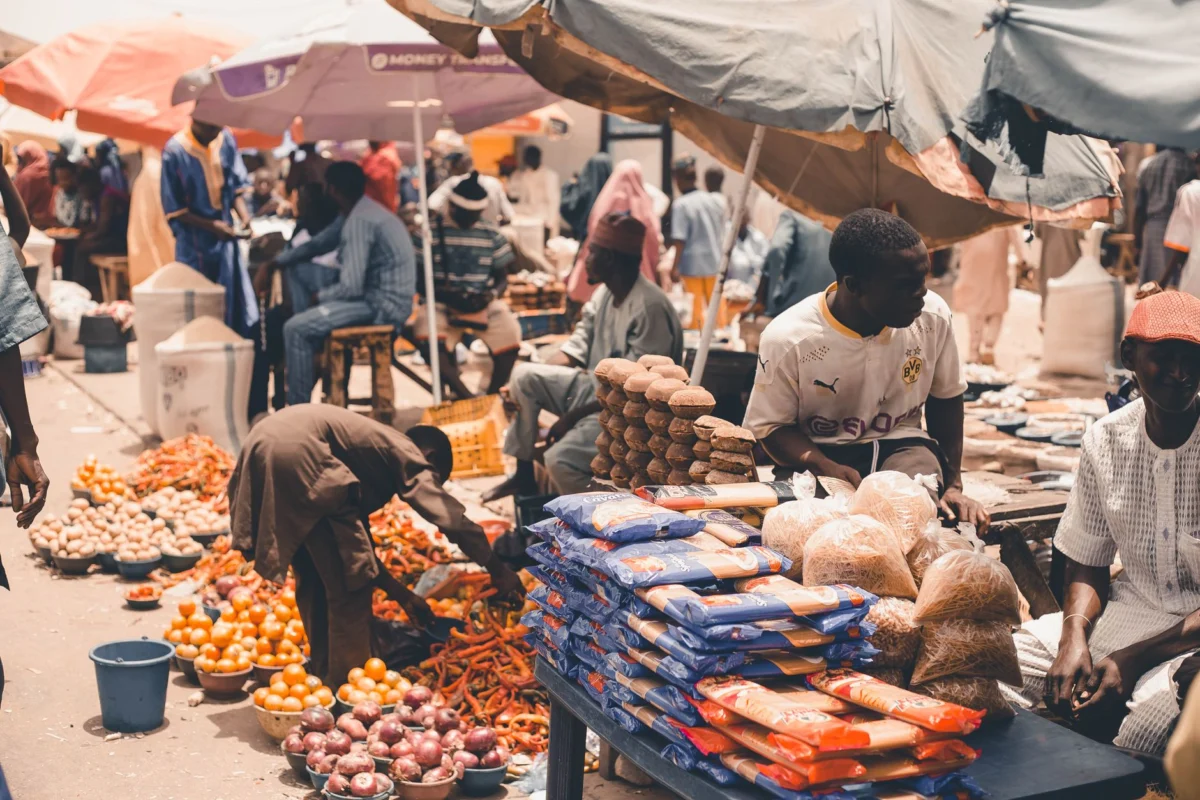
At 9:15 am on Monday, a line of armed Lagos State Security Guards (LASG) stood motionless outside the main gate of Oshodi market, their rifles glinting under the scorching sun.
Just minutes earlier, two LASG officers had been assaulted by a group of unidentified men while attempting to enforce a new waste‑management ordinance. The scuffle left one guard with a broken wrist and another with a bruised head.
Within an hour, the state’s command announced a full shutdown of the market – a commercial hub that hosts more than 5,000 vendors and moves an estimated ₦3 billion in goods daily.
Why does this matter?
Oshodi market is a lifeline for Lagos’ informal economy. Its closure cuts off income for thousands of families, fuels food‑price spikes, and fuels unrest in a city already grappling with rapid urbanisation and security challenges.
What triggered the violence?
The LASG says the officers were enforcing a municipal directive that required all stalls to clear excess waste by Friday, a rule many traders claim was imposed without prior notice. Protesters argue the sudden crackdown threatens their already precarious livelihoods.
Local traders’ union leader, who preferred to remain unnamed, told The Guardian Nigeria that “the market was forced to shut despite there being no alternative space for us to move our goods.”
LASG spokesperson, speaking on Lagos radio, described the incident as “a coordinated attack on law‑enforcement personnel, leaving us no option but to secure the area and protect our officers.”
Economic ripple effects
Analysts at the Centre for Economic Research predict a short‑term loss of up to ₦150 million in daily turnover, while food‑price indices for Lagos could climb by 4‑6 % as supply chains scramble to reroute around the closed market.
Small‑business owners in neighbouring districts have already reported longer queues at alternate markets, indicating the knock‑on effect may last several weeks.
What happens next?
The Lagos State Government has vowed to “review the enforcement protocol” and promised compensation for injured officers. However, no timeline has been set for reopening the market.
Trade groups are planning a sit‑in protest at the state secretariat next Tuesday, demanding a clear negotiation framework and a temporary relocation plan for displaced traders.
For a deeper look at how security actions intersect with local economies, see our coverage of economy and markets.
Stay tuned as the LASG’s decision could set a precedent for how Nigerian authorities balance public‑order mandates with the fragile informal sector.