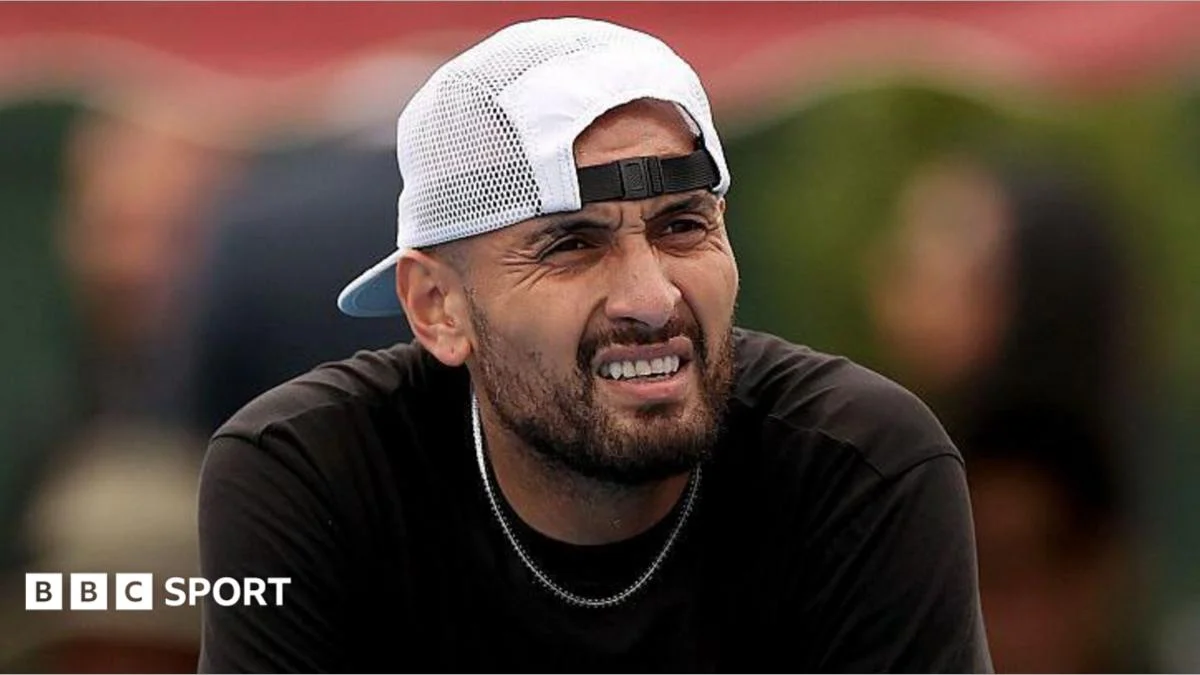
The severity of Nick Kyrgios’s ban for testing positive for cocaine depends entirely on whether he can demonstrate the drug was taken outside official competition periods, according to BBC Sport. A successful argument could reduce his suspension to one month, while failure to prove this may result in a four-year ban under anti-doping regulations.
This case highlights the strict enforcement of anti-doping rules in professional tennis, where substances like cocaine carry different penalties based on usage context. The outcome will significantly impact the controversial Australian player’s career trajectory.
KEY FACTS
- Nick Kyrgios tested positive for cocaine, according to BBC Sport
- Ban length could range from one month to four years
- Outcome depends on proving drug use happened out of competition
HOW TENNIS HANDLES DOPING CASES
Professional tennis operates under the World Anti-Doping Agency (WADA) code, which categorizes substances based on their performance-enhancing potential and health risks. While cocaine isn’t considered performance-enhancing during competition, it remains prohibited in-competition and carries different sanctions depending on usage context.
The distinction between in-competition and out-of-competition use proves crucial here. Anti-doping authorities define competition periods as starting at midnight before a match until its conclusion, including related doping controls. Evidence demonstrating use outside this window could dramatically reduce Kyrgios’s penalty.
WHAT’S AT STAKE FOR KYRGIOS?
The polarizing tennis star has faced multiple disciplinary actions throughout his career for on-court behavior but has never previously encountered doping allegations. A four-year ban would likely end the 28-year-old’s competitive career, while a one-month suspension would represent a temporary setback.
Kyrgios’s situation differs from typical doping cases where athletes intentionally use performance-enhancing drugs. The outcome may influence how tennis handles recreational drug cases moving forward, particularly regarding evidentiary standards for proving usage timing.
WHAT WE KNOW — AND WHAT WE DON’T
Verified by the source:
- Nick Kyrgios tested positive for cocaine
- Ban duration depends on proving out-of-competition use
- Potential ban ranges from one month to four years
Still unconfirmed:
- When and where the positive test occurred
- What evidence Kyrgios might present about usage timing
- Whether he plans to appeal any imposed ban
WHY IT MATTERS
This case tests tennis’s approach to recreational drug enforcement at a time when some sports are reconsidering penalties for substances not clearly performance-enhancing. The outcome could set precedents for how strictly the sport polices off-court behavior and what constitutes sufficient proof of usage timing.
WHAT TO WATCH
The tennis anti-doping authorities’ investigation timeline and Kyrgios’s ability to provide convincing evidence about when he used cocaine will determine the ban’s length. No official statements have been made about when a decision might come.