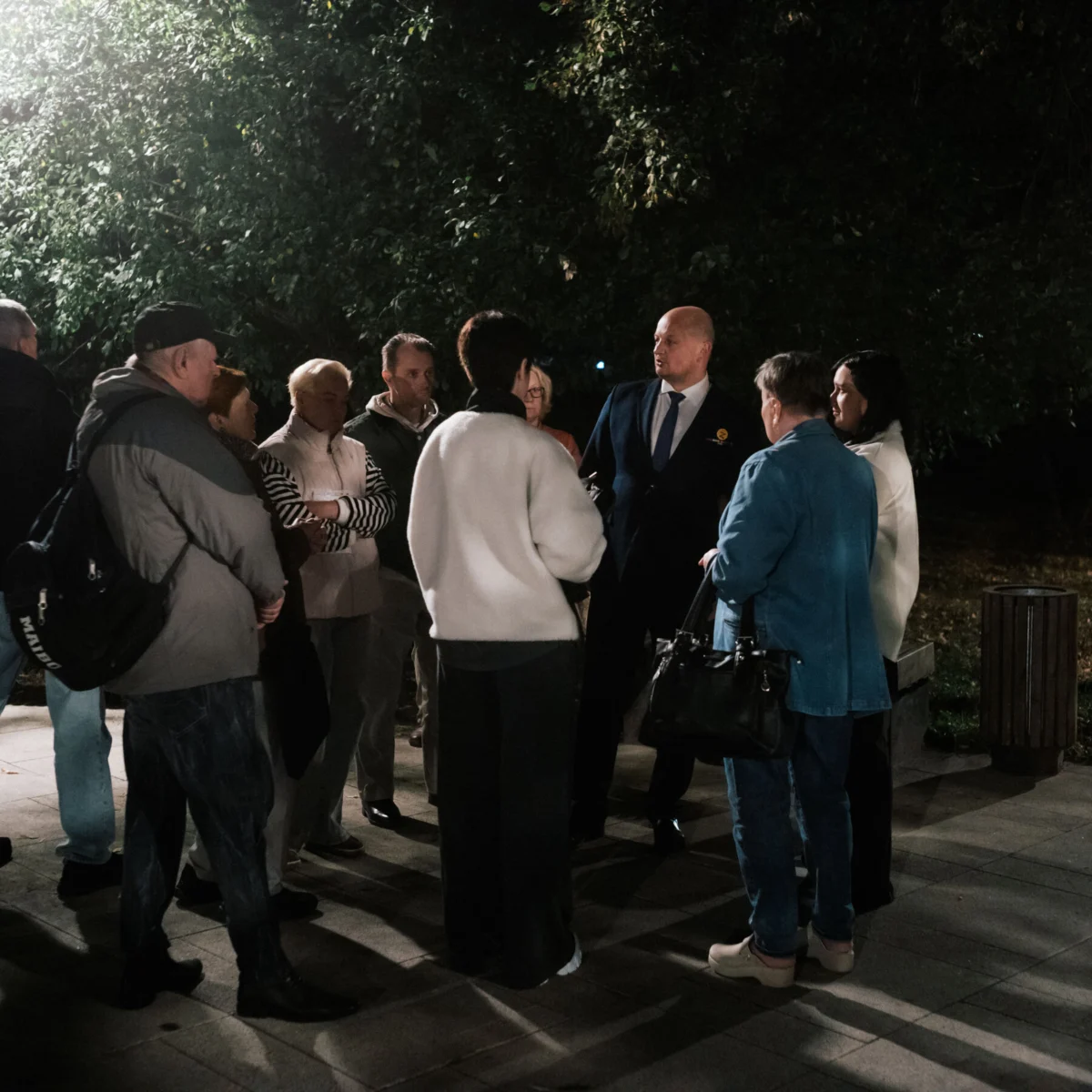
The Kremlin has placed many veterans on the ballot, a move that signals political strategy but carries potential risk. President Vladimir V. Putin of Russia has called veterans the ‘new elite,’ suggesting a shift in how the state views those who served in conflict. However, selecting these veterans as candidates may not yield the intended political gains, according to reporting from NYT > World News.
This approach reflects an effort to blend military credibility with civilian governance, but it also opens questions about how these candidates will perform once elected. The decision follows years of emphasizing military service as a cornerstone of national identity, particularly after recent conflicts. Yet, placing veterans directly into electoral politics introduces uncertainty about their ability to govern effectively in peacetime roles.
Key Facts
- Russia’s President Vladimir Putin has named veterans the ‘new elite.’
- The Kremlin has placed many veterans on the ballot for upcoming elections.
- Selecting veterans as candidates is described as a political risk.
What Happens Next?
Veterans placed on ballots will campaign and run in their respective constituencies. Their success or failure could shape future Kremlin strategies around military-backed candidates. If these candidates struggle to transition from battlefield to ballot box, it may signal limits to using military symbolism for political gain. Conversely, strong performance might encourage even broader reliance on veteran figures in governance. The coming weeks should reveal whether this experiment strengthens or weakens the ruling party’s standing among voters concerned with stability and defense.
How Did We Get Here?
In recent years, the Russian government has increasingly elevated the status of military veterans, especially those returning from active duty in regions like Ukraine. This has included public recognition ceremonies, housing benefits, and symbolic gestures meant to reinforce loyalty. By labeling them the ‘new elite,’ Putin appears to link national pride with service history. That rhetoric aligns closely with state narratives about patriotism and sacrifice. However, moving from symbolic honor to actual political candidacy adds complexity. Veterans may lack experience in legislative processes or local administration, raising doubts about their effectiveness if elected. Critics worry this could dilute quality governance in favor of image-driven politics.
What We Know — and What We Don’t
Verified by the source:
- The Kremlin has put many veterans on the ballot.
- President Vladimir Putin says veterans are the ‘new elite.’
- Selecting veterans as candidates is considered a risk.
Still unconfirmed:
- How many veterans are on the ballot total.
- Which specific offices they are running for.
- Whether any have held prior elected positions.
- Public reaction data or polling results.
Why It Matters
Democracies worldwide often see politicians lean on personal or military credentials during campaigns. In Russia’s case, pushing veterans into electoral contests blurs the line between wartime valor and peacetime leadership. For observers inside and outside the country, this trend raises questions about democratic norms, candidate preparedness, and the role of the military in civilian life. It also underscores how governments use narrative framing — here, honoring sacrifice — to justify strategic political moves. Whether that translates into effective representation remains to be seen.
What to watch: Observers should monitor how veteran candidates perform in debates and early campaign milestones, as their results may signal shifts in public sentiment toward militarized political messaging. Updates from official election monitors or state media could clarify whether this strategy gains traction or prompts internal reassessment.
Russia’s decision to place veterans on the ballot reflects deeper patterns in how modern regimes balance symbolism with substance in competitive elections. The outcome of these races will likely inform whether military-backed candidacies become standard practice or fade amid practical challenges. As one expert noted in past coverage, images of strength can only carry candidates so far when governance demands follow-through on everyday issues. Until then, all eyes remain fixed on ballot boxes where uniforms meet voting booths.
For more on evolving power structures and election dynamics, explore our [war-geopolitics](/category/war-geopolitics) archive.