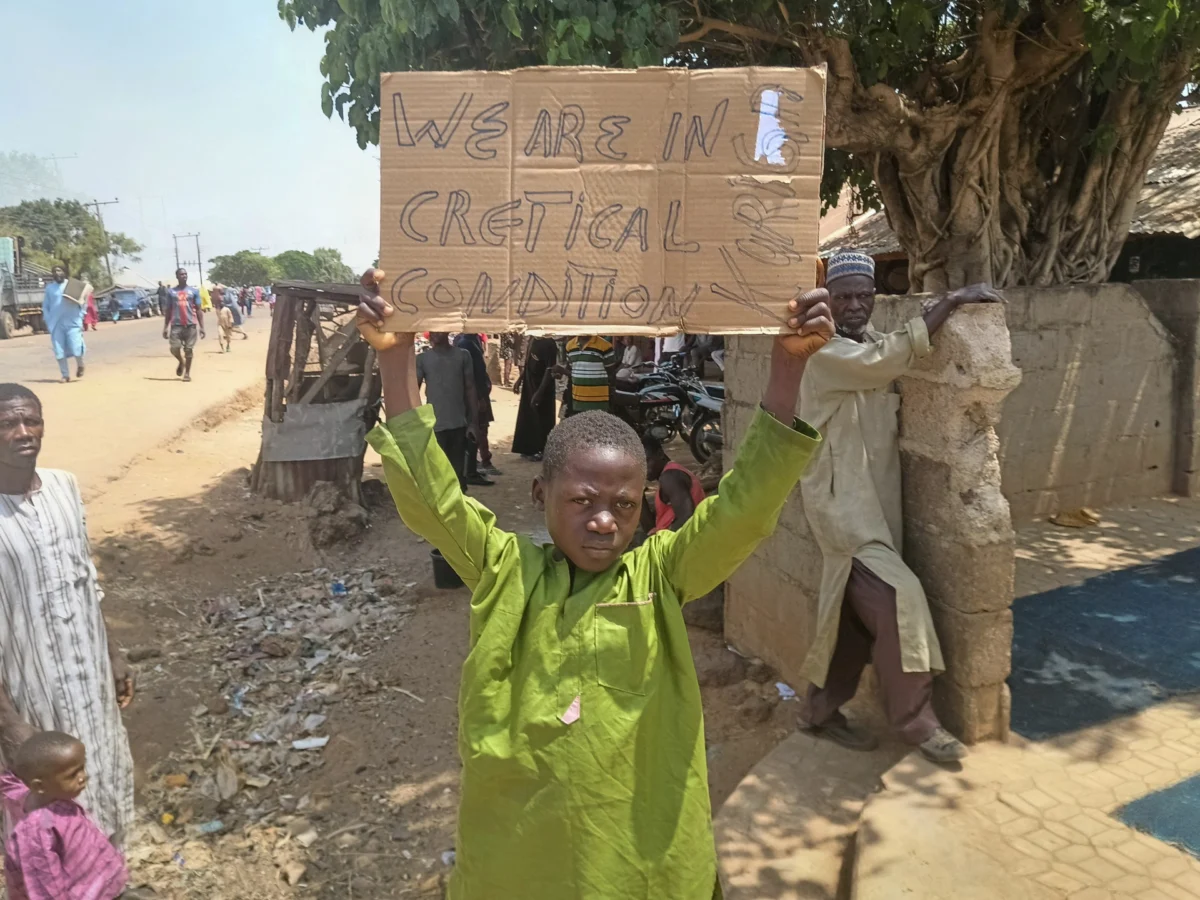
Kidnappings in Borno are causing severe financial, emotional, and educational harm to families across the region, according to Al Jazeera reporting. The abductions are draining household savings, leaving loved ones missing, and disrupting children’s schooling. These impacts deepen existing hardship in a region already facing prolonged insecurity.
The crisis extends beyond individual families, affecting entire communities where schools close, businesses struggle, and social stability weakens. Al Jazeera’s coverage highlights how each kidnapping ripples through extended relatives, neighbors, and local economies.
Key Facts
- Kidnappings are hitting Nigeria’s Borno families hard.
- Abductions are depleting family savings.
- Loved ones are going missing due to kidnappings.
- Education is being disrupted for children in affected areas.
The Story
Who is affected?
Families across Borno are bearing the immediate costs of kidnappings, with savings wiped out and relatives left missing. Children are among the most vulnerable, as disrupted education threatens long-term opportunities. The psychological toll on communities adds to the economic strain.
Local businesses struggle to operate amid ongoing insecurity, reducing income and increasing dependency on aid. Schools often close temporarily or permanently, leaving students without access to learning. Extended families frequently pool resources to pay ransoms, further straining already depleted finances.
What happens next?
Without coordinated security improvements or economic support, kidnappings in Borno are likely to continue destabilizing communities. Families may face recurring losses, including repeated abductions of relatives or extended displacement.
Educational disruption could worsen if schools remain closed, limiting future employment prospects for affected youth. Community leaders have called for greater government intervention, but progress remains uncertain without sustained funding and infrastructure rebuilding.
How did we get here?
Growing insecurity in Borno has enabled armed groups to carry out frequent kidnappings, targeting both rural villages and urban areas. Limited state presence allows attackers to operate with minimal resistance, increasing fear among civilians.
Economically weakened households are especially vulnerable to ransom demands, creating cycles of debt and dependency. International humanitarian organizations have warned that escalating violence threatens regional stability and long-term development goals.
What We Know — and What We Don’t
Verified by the source:
- Kidnappings are occurring across Borno.
- Abductions are depleting family savings.
- Loved ones are going missing.
- Education is being disrupted.
- Al Jazeera reported the story on October 8, 2026.
Still unconfirmed:
- Exact number of kidnappings in recent months.
- Total amount of money lost by affected families.
- Identity or motives of perpetrators.
- Government response measures underway.
- Long-term recovery plans for displaced students.
Why It Matters
This pattern of kidnapping not only inflicts immediate suffering but also undermines economic growth and educational advancement in Borno. Persistent instability hampers national development efforts and erodes public trust in governance. Addressing root causes—including poverty, weak institutions, and security gaps—is critical for lasting peace.
What To Watch
Monitoring future kidnappings in Borno will reveal whether current trends intensify or ease. Official statements or policy changes regarding security operations could signal shifts in response strategies.