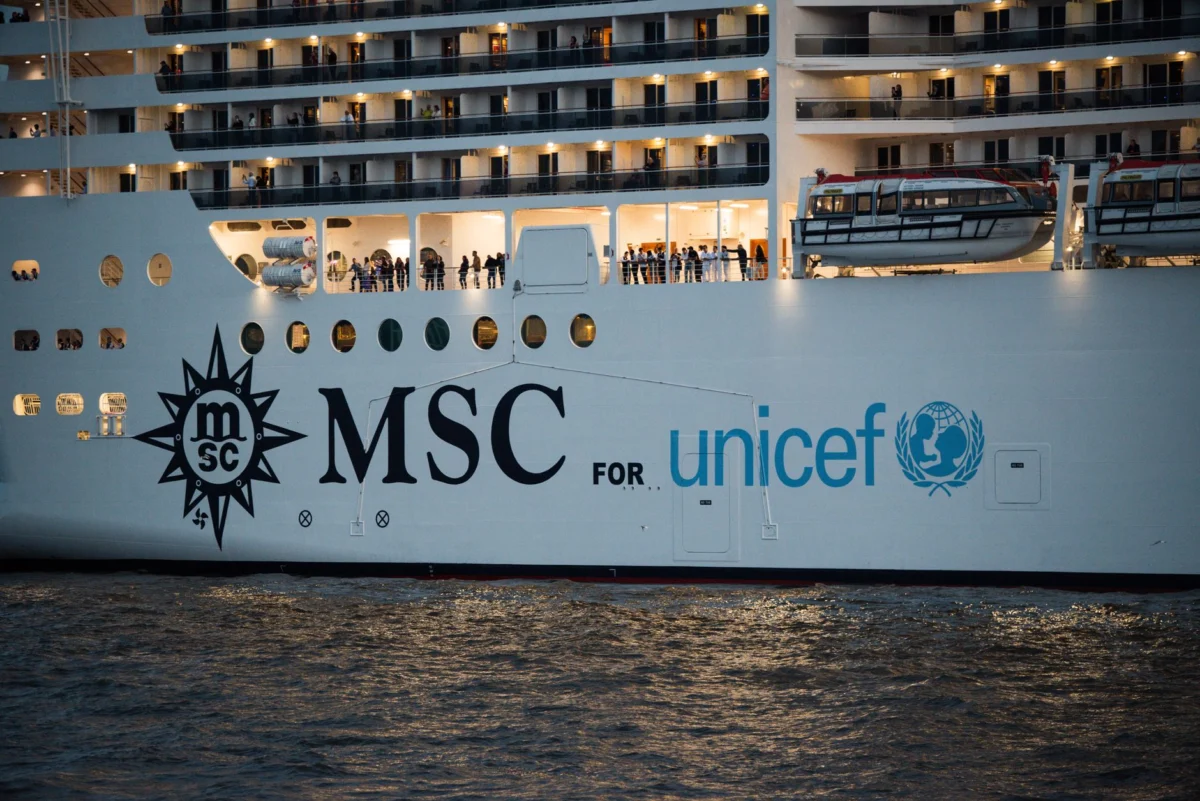
At 3:17 a.m. the woman’s phone buzzed with a terse text: “You will remain in Nebraska until cleared,” it read, signed only with the initials “RFK.” She had just stepped off a Caribbean cruise that reported a hantavirus outbreak among crew members.
This is the core of the story: Robert F. Kennedy Jr. ordered a hantavirus‑exposed passenger to stay in Nebraska quarantine, despite a CDC‑aligned medical reviewer saying she could return home.
What happened on the cruise?
The luxury liner, departing from Fort Lauderdale on March 10, reported 27 confirmed hantavirus cases among crew by March 15. Passengers were instructed to monitor symptoms but were not isolated.
One passenger, identified only as “Ms. L,” began feeling feverish on March 18. She sought medical attention at a ship‑board clinic, where staff flagged a potential exposure.
Why does this matter?
Hantavirus can cause hantavirus pulmonary syndrome, a severe respiratory illness with a 38 % mortality rate in the United States. Public health guidelines advise that those with confirmed exposure be monitored, not necessarily locked down, unless they develop symptoms.
Federal medical reviewer Dr. James Hernandez, a CDC‑contracted pulmonologist, reviewed Ms. L’s case on March 20 and concluded she could safely travel home after a 48‑hour symptom‑free period.
Who overruled the medical advice?
Robert F. Kennedy Jr., running under the “Healthbeat” banner, issued a public statement on March 22 insisting Ms. L remain in the state‑run quarantine facility in Lincoln, Nebraska.
“The risk to the public outweighs any personal inconvenience,” Kennedy wrote, echoing his long‑standing vaccine‑skeptical stance.
The Lincoln County health department complied, citing the governor’s emergency powers. Ms. L now spends 24‑hour monitoring in a government‑owned hotel, unable to work or see her family.
Legal and public‑health implications
Legal experts note that state officials can impose isolation under the public‑health code, but the move is unusual when a qualified medical reviewer has cleared the individual.
For travelers, the episode raises a new question: could a political figure overrule medical advice on future voyages?
Health‑policy analysts warn that such precedents could erode trust in CDC guidelines, complicating responses to future outbreaks.
What happens next?
Ms. L’s attorney plans to file a writ of habeas corpus, arguing unlawful detention. Meanwhile, the CDC is reviewing the case to determine whether Kennedy’s directive aligns with federal protocols.
Stay tuned as the legal battle unfolds and as other passengers demand clarity on their own quarantine status.
For broader context on how political interference can reshape health policy, see our ongoing coverage in health and science and politics.