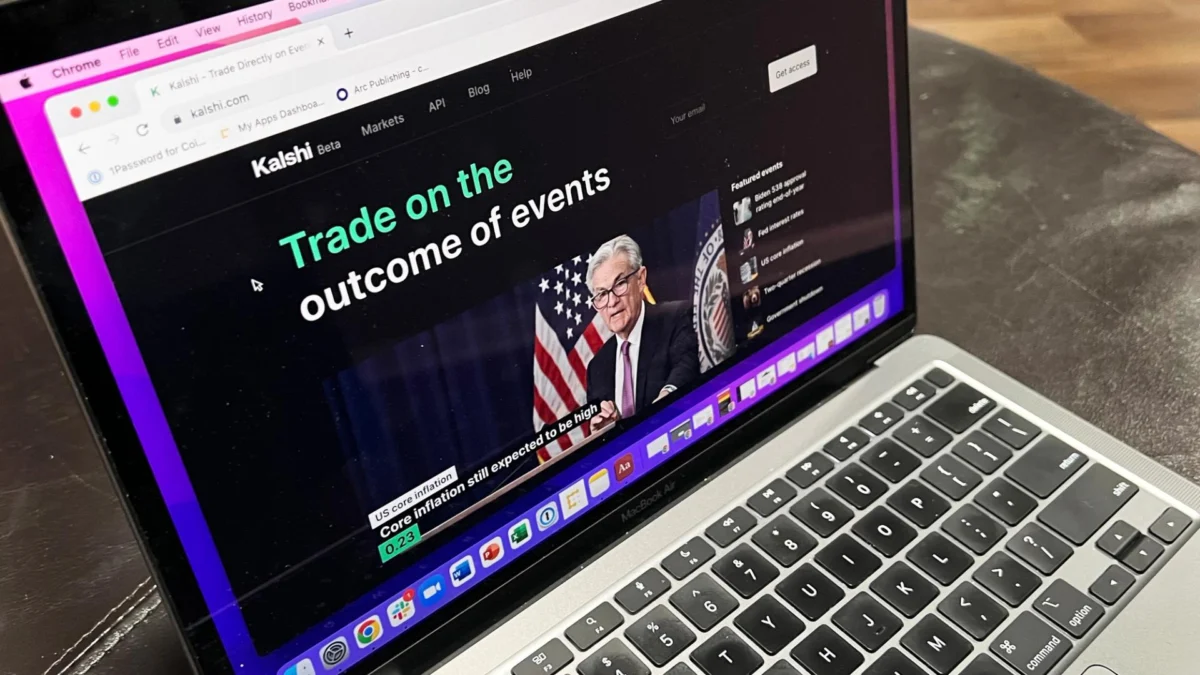
Prediction market platform Kalshi is now inaccessible to customers in Washington state as the company battles regulatory actions in court while the Commodity Futures Trading Commission (CFTC) advances new rules for the sector. The restriction marks another front in the ongoing struggle between prediction market operators and financial regulators.
Kalshi, which allows users to trade on the likelihood of future events, has faced increasing scrutiny from state and federal authorities. The Washington ban comes as the CFTC continues to develop new regulations specifically targeting prediction markets, though the exact nature of these proposed rules remains unclear from available reporting.
Key Facts
- Kalshi customers in Washington state cannot currently access the platform
- The company is fighting the restriction in court
- The CFTC is pursuing new rules for prediction markets
- Multiple states have moved to block Kalshi’s operations
What’s at stake for prediction markets?
The confrontation highlights the uncertain legal status of prediction markets in the U.S. financial system. Such platforms allow users to place wagers on everything from election outcomes to economic indicators, occupying a gray area between financial markets and gambling operations. The CFTC’s push for new regulations suggests federal regulators see these markets as requiring oversight beyond existing state-level restrictions.
Washington’s move follows similar actions by other states, though the source doesn’t specify which others have imposed bans. The pattern reflects longstanding regulatory discomfort with event contracts that could be seen as encouraging speculative gambling rather than legitimate market activity.
How did we get here?
Prediction markets have existed in various forms for decades, but modern platforms like Kalshi have drawn particular scrutiny by offering electronic trading on a wide range of events. While proponents argue these markets provide valuable information about event probabilities, critics worry about potential manipulation and harm to unsophisticated participants.
The CFTC previously approved Kalshi’s political event contracts in 2022, marking a rare regulatory green light for such markets. However, the agency’s current rulemaking push suggests that position may be changing, potentially setting the stage for broader restrictions on what types of contracts prediction markets can offer.
What We Know — and What We Don’t
Verified by the source:
- Kalshi is currently blocked in Washington state
- The company is challenging the restriction in court
- The CFTC is developing new rules for prediction markets
Still unconfirmed:
- Which other states have restricted Kalshi
- Specific provisions of the CFTC’s proposed rules
- Timeline for court proceedings or rule implementation
Why It Matters
The outcome could determine whether prediction markets become a mainstream financial product or remain a niche activity subject to heavy restrictions. Clear federal rules might allow responsible innovation, but overly broad limitations could effectively ban the entire sector in the U.S. The case also tests the boundaries between state and federal financial regulation.
What To Watch
Key developments include the resolution of Kalshi’s legal challenge and the eventual publication of the CFTC’s proposed rules, which should provide clarity on how regulators intend to handle prediction markets. The direction could influence other emerging crypto and alternative trading platforms facing similar regulatory questions.