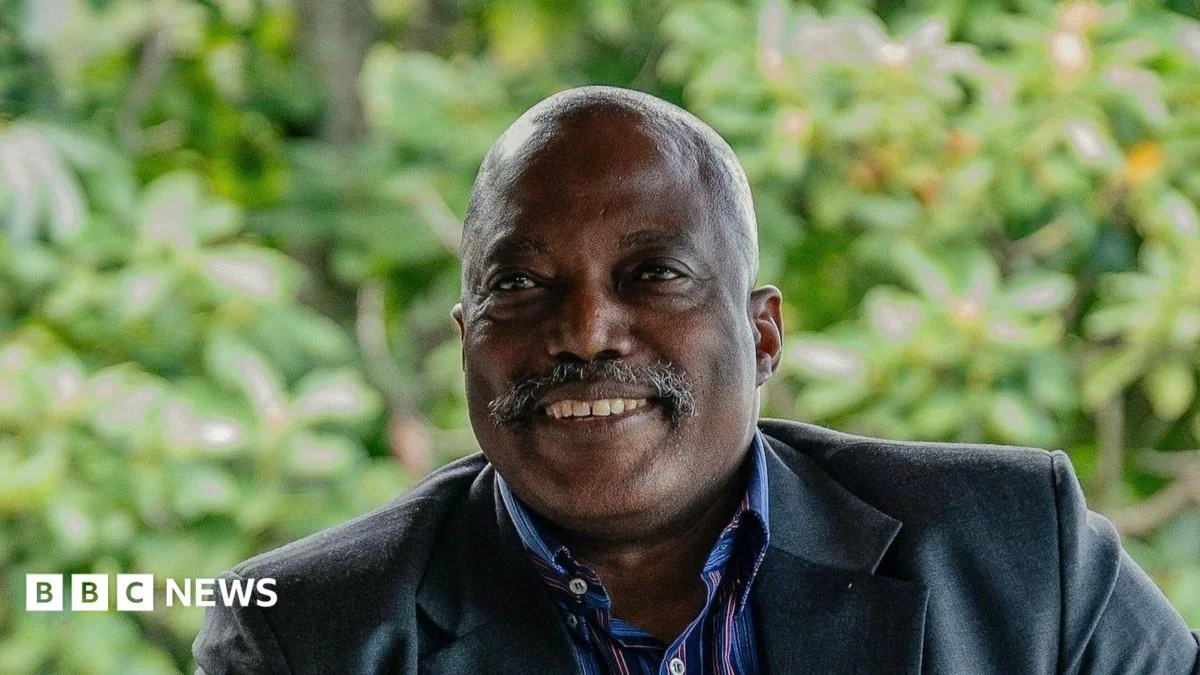
DR Congo rebel activity has escalated after former president Joseph Kabila launched a new rebel movement, according to BBC News. This development marks a dramatic shift for the ex-leader, who once held the presidency before stepping down. What does Kabila launching a new rebel movement mean for DR Congo? Experts say it signals growing unrest and poses fresh challenges to governance and peace in the region.
KEY FACTS
- Joseph Kabila launched a new rebel movement in DR Congo.
- The move raises concerns about stability in the region.
- The group was reportedly introduced after Kabila left the presidency.
- BBC News is the sole reported source for this claim.
- No official government response has been confirmed publicly.
Background: Who Is Joseph Kabila?
Joseph Kabila served as President of the Democratic Republic of the Congo from 2001 until 2019, when he stepped down following elections. His tenure was marked by controversy, including delays in holding votes and accusations of authoritarian behavior. Since leaving office, Kabila has remained politically active, supporting successor Félix Tshisekedi while maintaining influence behind the scenes. His alleged pivot to leading a DR Congo rebel faction represents an unexpected turn in a nation already grappling with decades of conflict, corruption, and weak institutions.
Why This Matters: Security Implications
DR Congo has long faced instability due to armed groups operating in its eastern provinces. The emergence of a new rebel force linked to a former head of state adds complexity to ongoing negotiations aimed at de-escalating violence across borders. Regional powers such as Rwanda, Uganda, and Burundi have historically intervened during periods of heightened tension. If credible, Kabila’s reported return to militancy could trigger diplomatic fallout and potentially draw neighboring states into renewed conflict. For ordinary citizens caught in years of displacement and humanitarian crisis, any escalation risks deepening suffering.
What Happens Next?
Observers are watching whether international actors will respond swiftly — especially given past precedents involving sanctions or mediation efforts led by the African Union or United Nations. Meanwhile, domestic opposition figures and civil society organizations may demand accountability if Kabila is formally implicated in organizing insurgency. However, without verified statements from either him or state officials, much remains speculative. Analysts expect clarity soon, particularly as media outlets continue probing angles that might confirm or refute early reports surrounding this alleged DR Congo rebel initiative.
What We Know — and What We Don’t
Verified by the source:
- BBC News reported that Joseph Kabila launched a new rebel movement.
- The article frames this event as politically significant for DR Congo.
- No names other than Kabila are mentioned in connection with the group.
Still unconfirmed:
- Whether Kabila personally commands the group.
- The size and location of the newly formed rebels.
- Official reactions from the current government or military.
- Any ties between the rebels and existing armed factions.
Why It Matters
The stability of DR Congo affects not only millions of displaced persons but also global supply chains dependent on minerals mined in volatile areas. Any increase in organized resistance led by a high-profile figure like Kabila can destabilize efforts toward lasting peace and economic recovery in one of the world’s mostresource-rich yet conflict-prone nations.
What To Watch
The coming days may bring further details from regional envoys or UN monitors regarding troop movements near border zones where previous insurgencies gained traction.