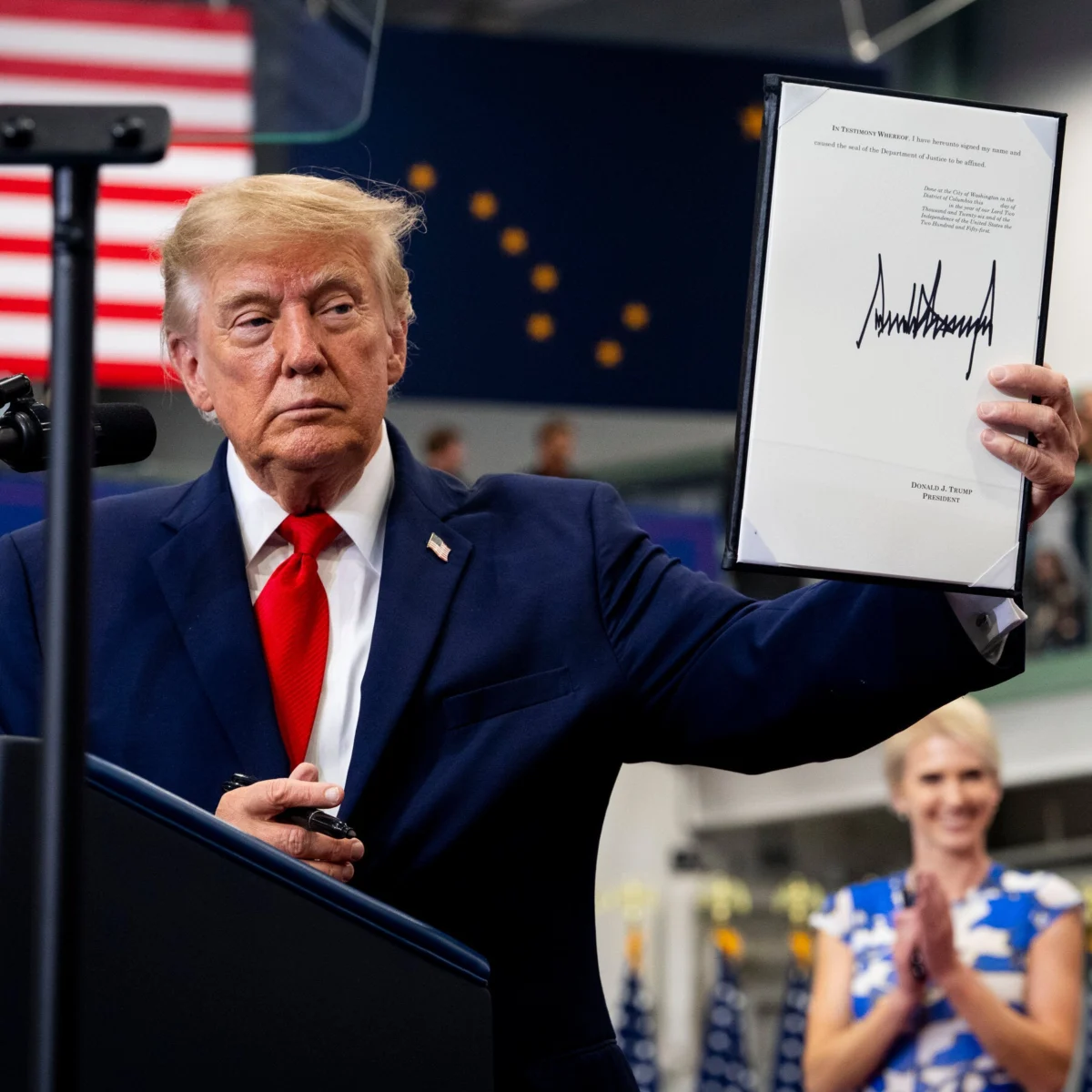
The Justice Department has expanded its role in the ongoing midterm elections, stepping into high-profile contests such as those in Alaska and California. These moves signal a broader strategy aligned with directives from President Trump, positioning the department as an instrument of unmediated executive power during a critical electoral period.
By intervening in active races, the department is shaping how the midterms unfold. These actions come amid growing scrutiny over whether federal agencies are operating independently or acting on presidential orders. The situation reflects a high-stakes political dynamic as Election Day approaches.
Key Facts
- Justice Department has intervened in midterm election contests
- Interventions occurred in Alaska and California
- Department is described as an instrument of executive power
- Actions align with Trump’s demands
- Moves indicate a stepped-up role in midterm elections
Election Interventions Escalate
The Justice Department’s involvement in election-related matters has grown more assertive in recent weeks. Sources indicate that the department has taken positions in legal disputes surrounding candidates and ballot procedures in multiple states. These interventions are being viewed as unprecedented in scope and timing, occurring just months before voters head to the polls for the midterms. Analysts suggest that the department’s stance reflects a broader alignment with the sitting president’s priorities, particularly on issues involving national security, voting rights, and election integrity. While such actions are within the department’s authority, the scale and timing have drawn sharp criticism from opposition figures and civil rights groups.
Political Fallout Intensifies
The department’s increasing presence in election contests has ignited fierce debate across the political spectrum. Supporters argue that the Justice Department is simply enforcing federal law and ensuring fair elections. Critics, however, allege that the interventions favor Republican interests and undermine the independence of federal institutions. Lawmakers have already begun calling for investigations into the department’s decision-making process. Legal experts have weighed in, noting that while executive influence over federal enforcement is not illegal, it could erode public trust in electoral outcomes. The tension underscores a recurring theme in American democracy: the balance between law enforcement and partisan governance.
What Happens Next?
With the midterm elections still weeks away, the Justice Department may continue to play a central role in ongoing legal battles. Additional interventions in other states are possible, especially if contested races develop further. The department has not issued a formal statement explaining its rationale for each move, leaving the public and commentators reliant on leaked briefs and anonymous accounts. Courts in Alaska and California are expected to rule soon on motions involving federal participation, which could set precedents for future election cycles. Observers say that continued involvement could reshape the legal landscape around voting access and ballot security nationwide.
Meta description: The Justice Department is increasingly intervening in key midterm contests, raising questions about presidential influence on federal law enforcement.
What We Know — and What We Don’t
Verified by the source:
- Justice Department intervened in midterm election contests
- Interventions occurred in Alaska and California
- Department is operating under presidential influence
- Actions represent a stepped-up federal role in elections
Still unconfirmed:
- The exact number of contested races involved
- Names of officials directing the interventions
- Specific legal claims made by the department
- Timeline of internal decision-making
Why It Matters
For decades, the Justice Department has maintained its role as a neutral enforcer of federal law, even during politically charged periods. When that neutrality appears compromised, public confidence in the fairness of elections can falter. These interventions touch core democratic processes—voting rights, ballot access, and equal protection—making them consequential for every eligible voter. As midterm contests determine control of Congress, any perception of bias in federal oversight adds urgency to debates about institutional independence.
What to Watch
Court rulings in Alaska and California will likely clarify the department’s legal strategies. Additional interventions in other states are possible as the calendar advances toward November.